






























Record-breaking visitor numbers and $57 billion in revenue drive a new wave of hotel investments and occupancy growth.
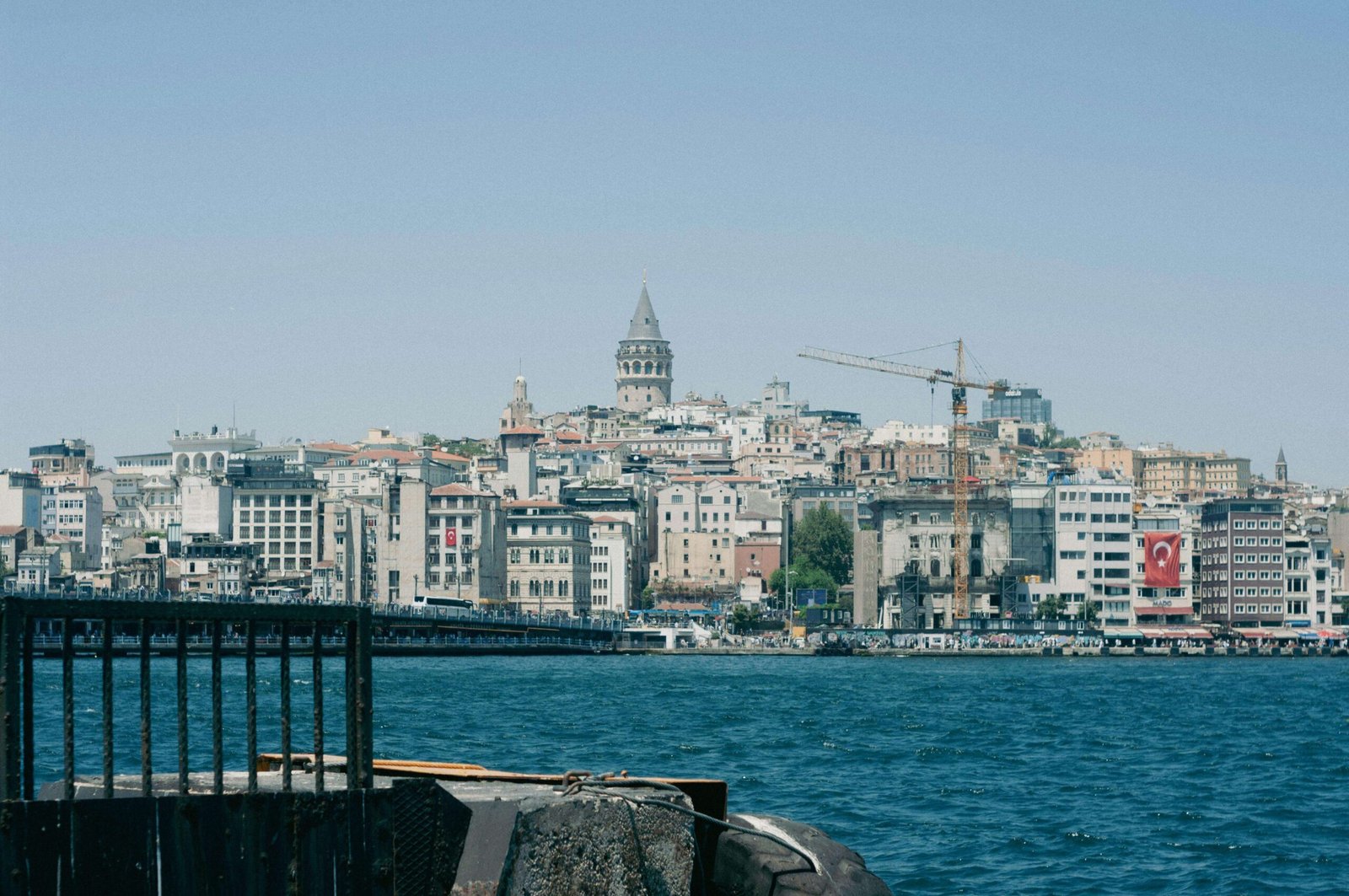
The Turkish tourism sector has achieved a historic milestone that resonates far beyond travel agencies, directly impacting the nation’s commercial real estate and investment landscape. By the end of 2024, Türkiye officially welcomed 62.2 million international visitors, a figure that surged toward 65 million in 2025. This massive influx of travelers translated into a record $57.1 billion in revenue, marking the most successful year in the history of the Turkish hospitality industry. The recovery and subsequent expansion of the sector have been nothing short of exceptional, with Istanbul alone seeing its hotel occupancy rates rise to a healthy 67.6%, with luxury segments surpassing 80% during peak seasons.
This stellar performance is attracting significant global capital into hospitality real estate. The financial metrics tell a story of high-yield potential: the Average Daily Rate (ADR) for hotels in Istanbul reached €136.2, while Revenue Per Available Room (RevPAR) surged to €92.1. These figures represent a double-digit increase in Euro terms, making Istanbul one of the most profitable hotel markets in the Mediterranean basin. Investors are increasingly viewing Türkiye not just as a seasonal “sun-and-sea” destination, but as a premier, year-round hub for business, cultural, and medical travel.
The government’s strategic focus on diversifying tourism products is a key driver for long-term sustainability. Massive investments are being channeled into health tourism, which attracted over 1.5 million international patients in 2024, and gastronomy tourism, following Istanbul’s inclusion in the Michelin Guide. For hospitality investors, this means a diversification of asset classes, ranging from urban business hotels and thermal wellness resorts to “branded residences” that offer hotel-like services for long-term stays.
The Istanbul Financial Center (IFC) and the expansion of Istanbul Airport (IGA) to its final phases are expected to sustain this momentum through 2026 and beyond. As more multinational firms establish regional headquarters in Istanbul, the demand for corporate hospitality and long-stay serviced apartments is projected to outpace current supply. For global investors, the combination of high demand, rising room rates, and competitive operational costs compared to Western Europe makes Turkish hospitality one of the most attractive and resilient asset classes in the EMEA region today.
Citations & Sources:
- Official Data: Ministry of Culture and Tourism – Visitor Statistics 2025
- Market Intelligence: STR Global – Türkiye Hotel Performance Reports
- Economic Analysis: TÜİK – Tourism Income and Expenditure Q4 2025