


























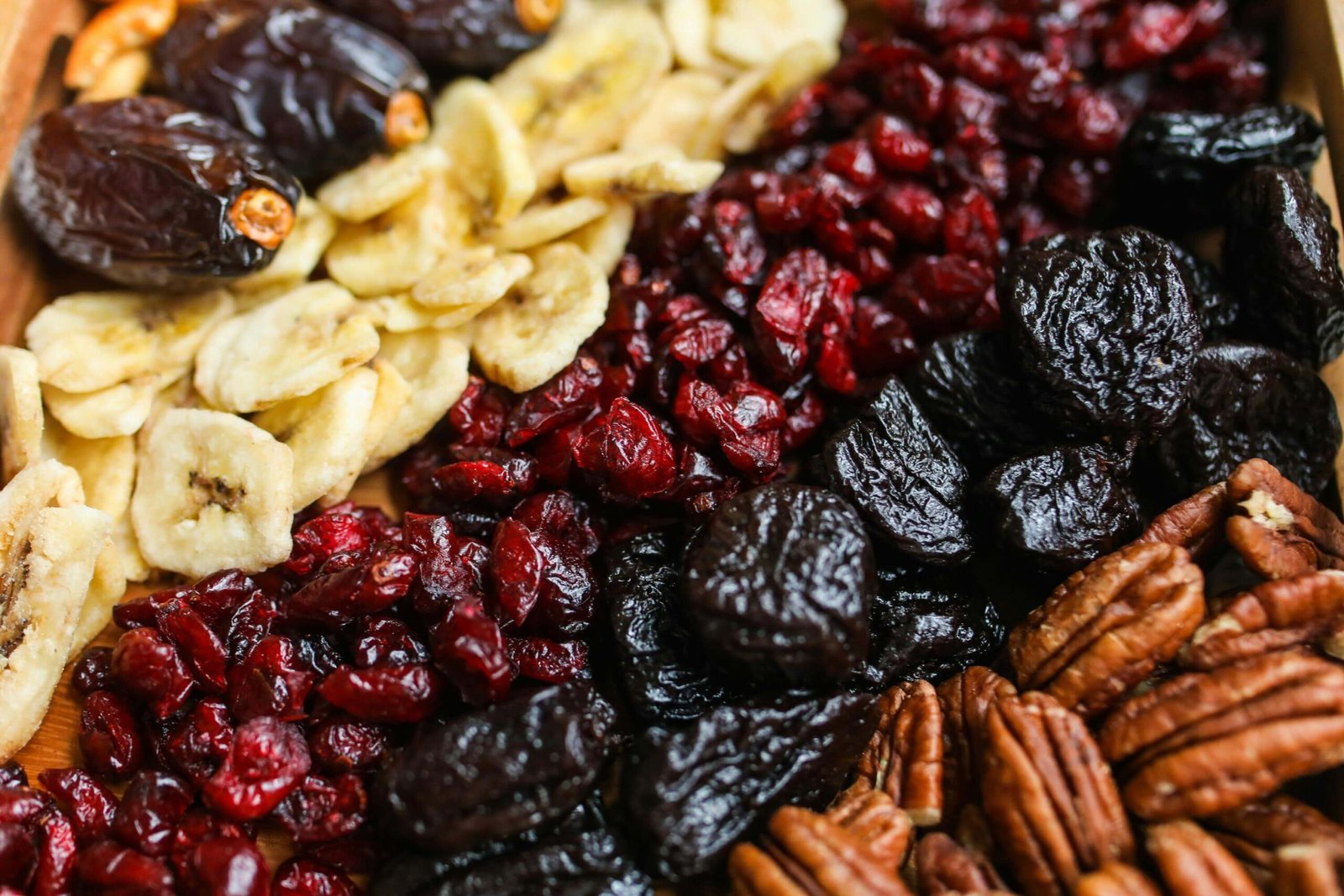
Türkiye is cementing its global status as the definitive supply base for premium dried fruits and nuts. The country is the world leader in dried fruit exports by volume, a testament to its unmatched production capacity, especially in high-demand commodities like apricots, figs, and raisins. While climatic events and global market volatility present sourcing challenges in 2025, Turkey’s dominance in processing and export capacity makes it an irreplaceable partner for global food manufacturers and retailers.
Turkey’s Global Dry Food Footprint
Turkey’s dry food sector remains critical to global supply chains, generating significant export income and maintaining a top-tier position in specific categories.
| Product Category | Turkey’s Global Rank / Status | Key Sourcing Region |
| Dried Fruits (Overall) | World Leader (Total exports reached $1.573 billion in 2022) | Aegean and Eastern regions |
| Dried Apricots | World’s Number One Exporter | Malatya (Produces over 90% of Turkish crop) |
| Dried Figs | World’s Number One Exporter (Supplies over half of global market) | Aegean Region |
| Hazelnuts | Global Production Leader (Accounts for over 60% of world output) | Black Sea Region |
| Raisins/Sultanas | Top Global Exporter | İzmir and Manisa (Aegean) |
(Source: Tridge, AJOT, AEGEAN Exporters’ Association)
Sourcing Dynamics and Price Volatility (A Balanced Look)
The 2025 season highlights the dual nature of sourcing from Turkey: vast capacity combined with environmental and market risks.
- Supply Constraint: Severe frost events in March and April 2025 significantly impacted the production forecast for several crops, particularly raisins. This climate volatility drove raw material prices sharply upward (e.g., Izmir Sultanas reached $\text{\$3,550 – \$3,650}$ USD per ton).
- The Investment Response: This volatility is driving Turkish companies to pursue strategic supply agreements internationally (e.g., Turkish traders actively seeking dried fruit harvests from Tajikistan due to internal shortfalls) and to invest heavily in modern processing. This ensures the industry can maintain export commitments even when domestic harvests are tight.
- Quality Assurance: Turkey’s long-standing heritage in drying techniques, combined with stringent food safety and quality programs, means the final processed product remains highly competitive on the world market.
Investment and Policy Context
The current landscape makes the processing and value-added segment of Türkiye’s dried food industry an attractive investment target. Understanding the regulatory environment is crucial; this sector benefits from various incentives detailed in here.
💰 Investment Opportunities in the Turkish Dried Food Sector
For international food processors, manufacturers, and private equity funds, Türkiye offers compelling opportunities to invest directly in the supply chain:
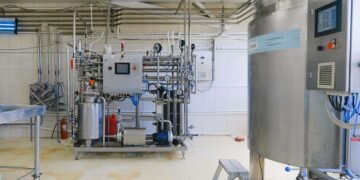
- Modernization and Capacity Expansion: There is a strong case for investing in state-of-the-art processing and freezing technology (like Freeze Dry machines) to increase efficiency and reduce reliance on traditional drying methods.
- Vertical Integration: Investing in partnerships or acquisitions of leading Turkish producers, such as the $\text{€32}$ million loan allocated by the EBRD to a major Turkish dried fruit producer to expand its capacity, allows foreign firms to secure a consistent supply of raw materials directly from farmers.
- New Product Development: Investment is needed to capitalize on global health trends by producing higher-value products like organic dried fruits, specialty nuts, and snack bars derived from Turkish raw materials.
Turkey / Türkiye’s commitment to maintaining its export dominance, coupled with its strategic location as a gateway to Europe and the Middle East, makes its dried food sector a robust, though complex, target for strategic sourcing and investment.
Next Steps for Strategic Sourcing
To navigate the supply volatility and capitalize on the high-quality output of Turkey / Türkiye’s dried food sector, detailed analysis and strategic partnerships are essential.
For a detailed analysis and tailored sourcing strategies, feel free to contact the experts at Burc Consulting.