




























Turkey (Türkiye) continues to be an indispensable strategic partner for European and global retailers in the Woven Apparel sector, which includes high-value products like trousers, jackets, shirts, and denim. Despite facing economic headwinds and a temporary decline in export value, Turkey maintains its standing as the 7th largest global Exporter of woven garments and the 3rd largest Supplier to the European Union (EU). The sector’s core strength lies in its integrated supply chain and unparalleled Nearshoring advantage, offering speed and flexibility to major international brands.
Statistical Leadership and Export Share
While the knitwear segment typically dominates Textiles exports, the woven segment—representing the high-end, fashion-forward portion of the Manufacturing industry—remains crucial. Woven clothing accounted for over $8.4 billion in Exports in 2022.
| Metric | Value (2022) | Share of Total Apparel Exports | Trend (Jan-Sep 2024 vs 2023) |
| Woven Clothing Exports (HS Chapter 62) | 8.46$ Billion | 43.45% | 2.5% Decline |
| Total Apparel Exports (Woven & Knitted) | 19.46$ Billion | 100% | 8.5% Decline (Overall) |
| Global Rank (Woven) | 7th Largest Exporter | N/A | Stable |
(Source: Turkish Ministry of Trade, Turkish Statistical Institute, 2022-2024 Data)
Nearshoring and Logistics as Competitive Advantage
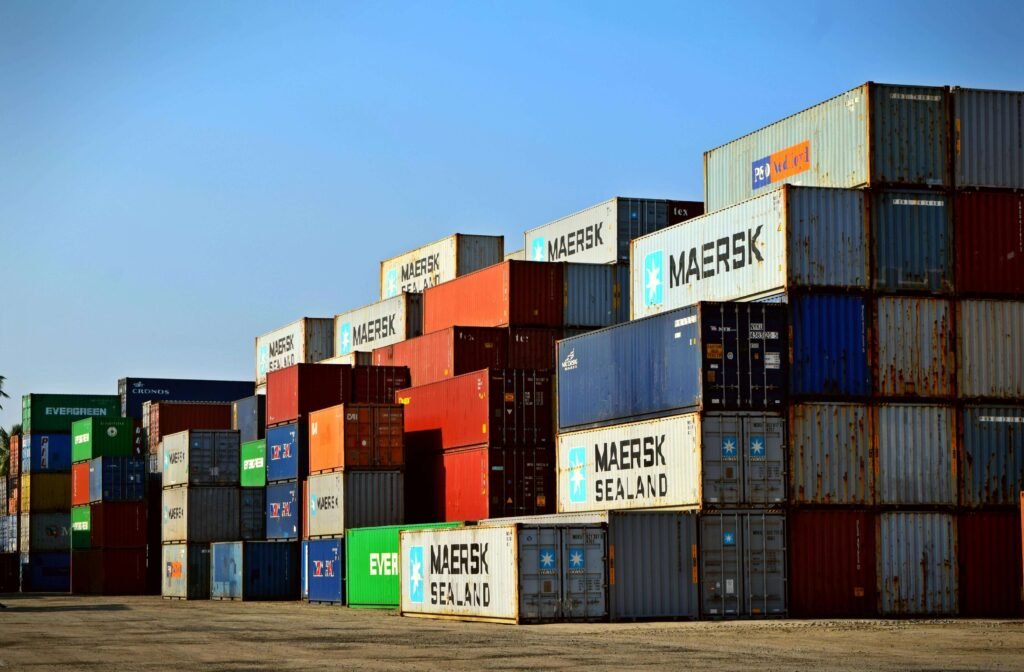
The most significant factor driving the Turkish woven apparel sector is its geographical proximity and swift Order-to-Fulfillment cycle, a cornerstone of the Nearshoring model for European retailers. The average delivery time to the EU from Turkey is often under two weeks, drastically cutting the time-to-market compared to Asian Suppliers.
This strategic benefit is bolstered by Turkey’s status as an EMEA Logistics Hub: Rail and Port Investments. Efficient Logistics infrastructure and favorable Trade agreements—including the EU Customs Union—reduce transit times and customs friction for European-bound goods.
Investment Focus: Quality and Sustainability
The woven apparel sector is undergoing a necessary transformation, driven by the need to maintain quality and meet global sustainability standards.
- Manufacturing Upgrades: Manufacturers are heavily investing in modern weaving machinery, digital printing, and advanced finishing technologies to enhance product quality and handle technical fabrics, a move mirroring broader digitalization efforts across Turkish factories (Industry 4.0 Adoption Accelerates: Turkish Factories Pivot to Smart Production).
- Ethical Sourcing Risks: While Turkey is celebrated for its speed, the industry faces external scrutiny regarding labor practices, particularly involving migrant workers, raising the risk profile for some buyers (Just Style Report). Brands must implement robust auditing and ethical Sourcing strategies.
Challenges and Economy Context
The decline in woven garment exports during early 2025 reflects subdued global demand and fierce price competition from rival Asian Exporters. Rising domestic costs strain producers, highlighting the urgent need for the sector to increase the unit price of its Exports through enhanced branding and design, rather than competing solely on volume. The overall resilience of the Turkish Economy, despite these sectoral pressures, continues to be supported by its diversified Manufacturing base.
Next Steps for Global Sourcing
For Sourcing managers and investors seeking a reliable, high-quality, and fast Nearshoring partner for Woven Apparel (trousers, shirts, outerwear), Turkey / Türkiye offers strategic advantages in Manufacturingand Logistics that significantly de-risk the supply chain and enhance market responsiveness.
To receive tailored guidance on optimizing your woven apparel supply chain, including supplier identification and compliance auditing in Turkey, contact the experts at Burc Consulting.