































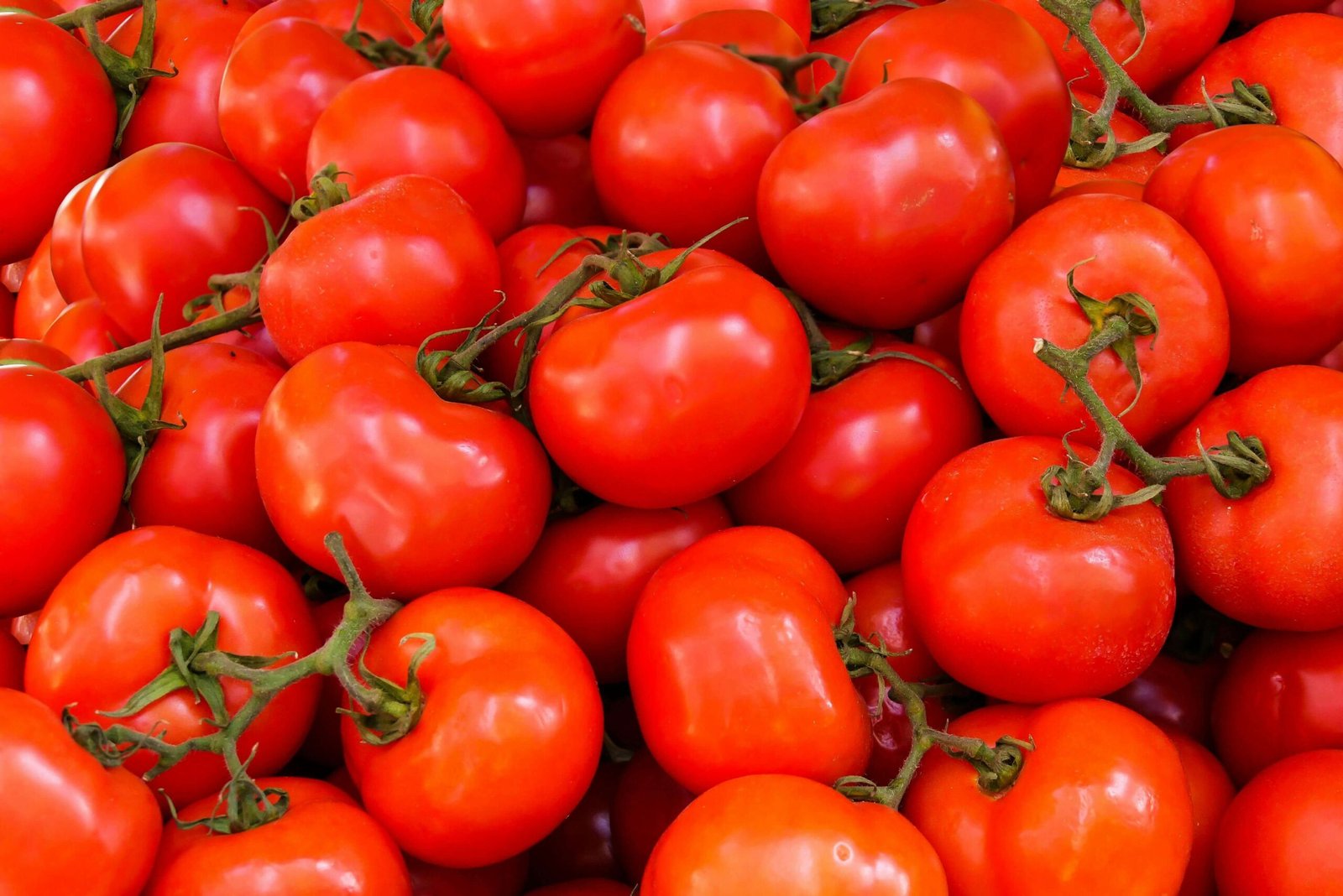
Despite a slight decrease in total revenue compared to 2024, Turkish tomato exporters successfully reached 51 countries, with Romania and Ukraine remaining top destinations.
Türkiye’s vibrant agricultural sector continues to showcase its resilience on the global stage, with tomato exports reaching a significant valuation of $401 million in 2025. According to the latest data from the Southeast Anatolian Exporters’ Associations (GAİB), compiled by Anadolu Agency (AA), the country exported a total of 402,234 tons of tomatoes to 51 different countries during the past year.
While the sector remains a cornerstone of Türkiye’s fresh produce trade, the 2025 figures reflect a slight cooling compared to the previous year. In 2024, Turkish tomato exports generated $426 million in revenue. This year-on-year decrease from $426 million to $401 million highlights the impact of fluctuating global market prices, varying yields due to climatic conditions, and shifting demand in key European and regional markets.
Romania Leads as the Primary Export Hub Romania has once again solidified its position as the leading destination for Turkish tomatoes, importing the highest volume in terms of both value and quantity. The proximity of the Romanian market and the well-established logistics networks between the two nations have made it a vital gateway for Turkish produce into the European Union.
Following Romania, Ukraine emerged as the second-largest importer, maintaining its demand despite ongoing regional logistical challenges. Russia, a historically significant partner for Turkish agriculture, took the third spot, followed by Bulgaria and Germany. The presence of Germany in the top five underscores the growing preference for Turkish greenhouse products in high-standard Western European retail chains.
Production Dynamics and Regional Contributions The data, largely driven by producers in the Southeast Anatolian and Mediterranean regions, shows that Türkiye is successfully diversifying its reach. Although the total number of destination countries stood at 51, exporters are increasingly looking toward value-added products and geothermal greenhouse investments to stabilize revenue against price volatility.
Experts note that while the tonnage remains high, the decrease in total dollar value suggests a lower average export price per ton in 2025 compared to 2024. This trend is pushing Turkish exporters to focus more on “premium” varieties and organic certifications to capture higher margins in competitive markets like Germany and Poland.
Looking ahead to 2026, the Turkish agricultural sector aims to stabilize these figures by expanding its footprint in the Gulf countries and strengthening its “clean production” protocols to meet the tightening European pesticide regulations.
Citations & References
- GAİB (Southeastern Anatolian Exporters’ Associations): Official trade data for fresh fruit and vegetable exports 2024-2025.
- Anadolu Agency (AA): “Türkiye’nin domates ihracatı geçen yıl 401 milyon dolar oldu” (Reported January 2026).
- Turkish Ministry of Trade: Annualized export performance reports for the agricultural sector.