


























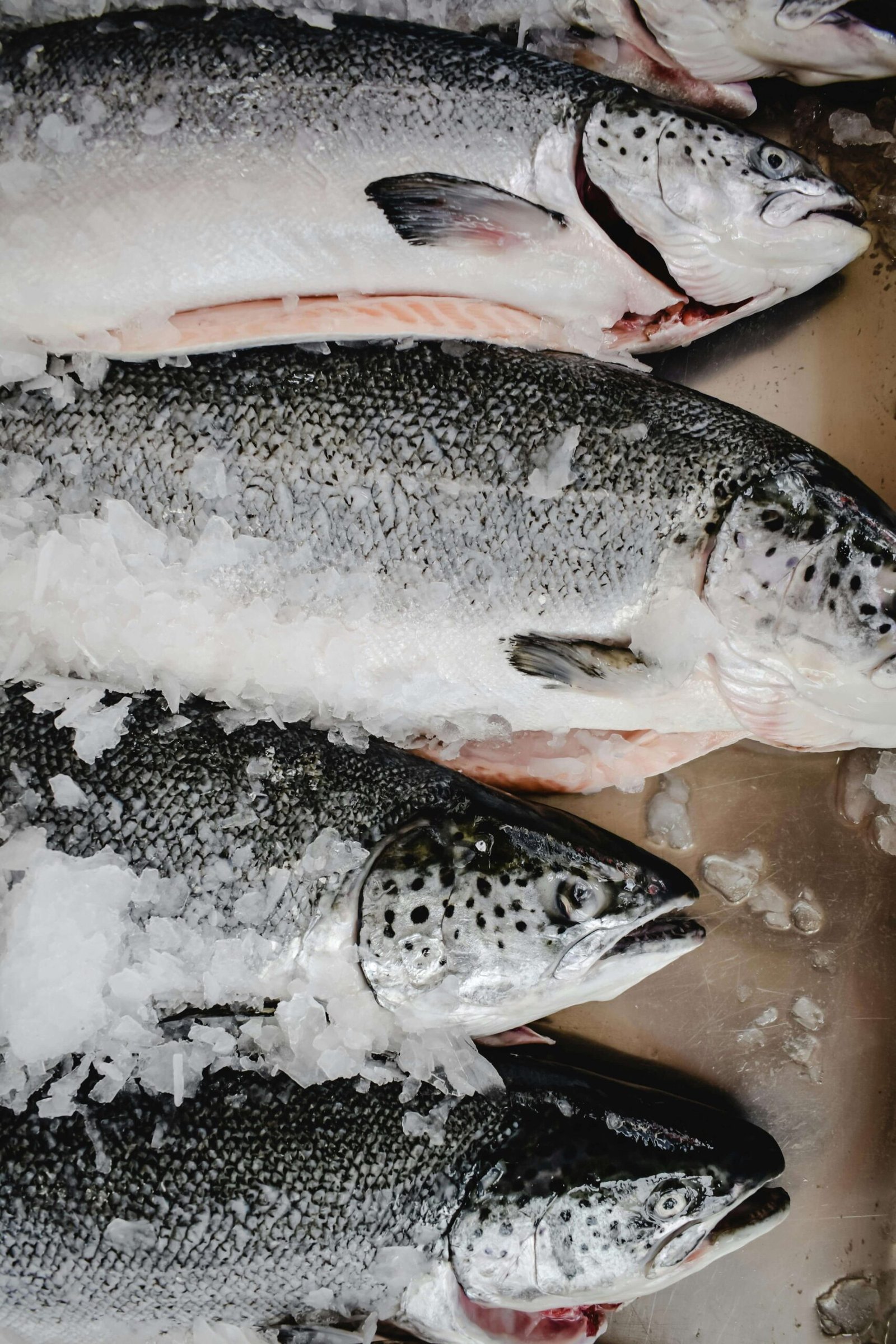
With a 13% increase in export value, Turkish salmon has reached 34 countries, cementing its position as a high-premium alternative to Norwegian varieties.
The Turkish aquaculture industry celebrated a historic milestone in 2025 as the export of Turkish Salmon—a premium product raised in the cool waters of the Black Sea—soared to $520,281,294. According to data from the Eastern Black Sea Exporters Association (DKİB), this represents a significant 13% increase in value compared to the $458.5 million recorded in 2024.
The volume of exports also saw a healthy rise, moving from 74,832 tons in 2024 to 79,112 tons in 2025. The disparity between the 6% growth in volume and the 13% growth in value highlights a crucial trend for the sector: Turkish salmon is increasingly being sold at higher price points, reflecting its growing brand value and superior fat content compared to its competitors.
Russia Remains the Dominant Market Türkiye successfully exported salmon to 34 different countries last year. The Russian Federation maintained its position as the top buyer, with imports reaching $378,721,622—a 7% increase from the previous year.
Following Russia, the top-performing markets were:
- Vietnam: $39,991,151
- Belarus: $33,349,260
The demand from Vietnam is particularly notable, as it serves both as a major consumer market and a regional processing hub for further distribution in the Asian market.
The Regional Powerhouse: Eastern Black Sea The Eastern Black Sea region, the heart of Turkish salmon production, played a pivotal role in this success. Regional exporters shipped 27,860 tons of salmon, generating $182,605,813 in revenue. This specialized production method involves starting the fish in inland freshwater farms before transferring them to sea cages in the Black Sea once they reach a specific weight, a process that gives the fish its distinctive color and taste.
Strategic Goals for 2026: Value-Added Products İsmail Kobya, Chairman of the DKİB Fisheries Sector Committee, expressed high optimism for the future. “The increasing demand for Turkish salmon allowed us to close the year with a powerful performance. This growth proves the sustainable potential of our sector,” Kobya stated.
Looking ahead to 2026, the industry is pivoting toward high-value-added products, such as smoked salmon, frozen fillets, and ready-to-cook portions. “Our goal is to open up to new markets while increasing our share in existing ones. By enhancing our logistics and brand value, we aim to push these export figures even higher,” Kobya added.
Citations & References
- DKİB (Eastern Black Sea Exporters Association): “2025 Year-End Fisheries and Animal Products Export Report.” (Published January 2026).
- Anadolu Agency (AA): “Türk somonu ihracatı 2025 yılında 520 milyon doları aştı” (Reported January 12, 2026).
- Turkish Ministry of Agriculture and Forestry: 2025 Aquaculture Production and Export Performance Overview.
- Daily Sabah: “Turkish salmon gains ground in global markets against Norwegian rivals.” (Business Analysis 2026).