























With access to 1 billion consumers via FTAs and a 4-hour flight radius to major markets, Türkiye redefines nearshoring for global brands.
In an era defined by volatile supply chain disruptions and the rising trend of “nearshoring,” Türkiye’s strategic location has transitioned from a mere geographic advantage to a critical business necessity. Strategically positioned at the crossroads of Europe, the Middle East and North Africa (MENA), and Central Asia, Türkiye offers direct access to a $32.1 trillion GDP market and 1.3 billion people within just a 4-hour flight radius.
The Global Choice for Automotive and Fashion Giants
The country has evolved into a “Regional Operations Center” for some of the world’s most recognized brands. Global giants like Ford, Toyota, Renault, and Hugo Boss have not only established a presence but have integrated their Turkish facilities into the heart of their global supply chains.
The data highlights a clear export-oriented manufacturing efficiency:
- Ford Otosan: Exports approximately 87% of its Turkish production to international markets.
- Toyota Türkiye: Maintains an export ratio of 85%.
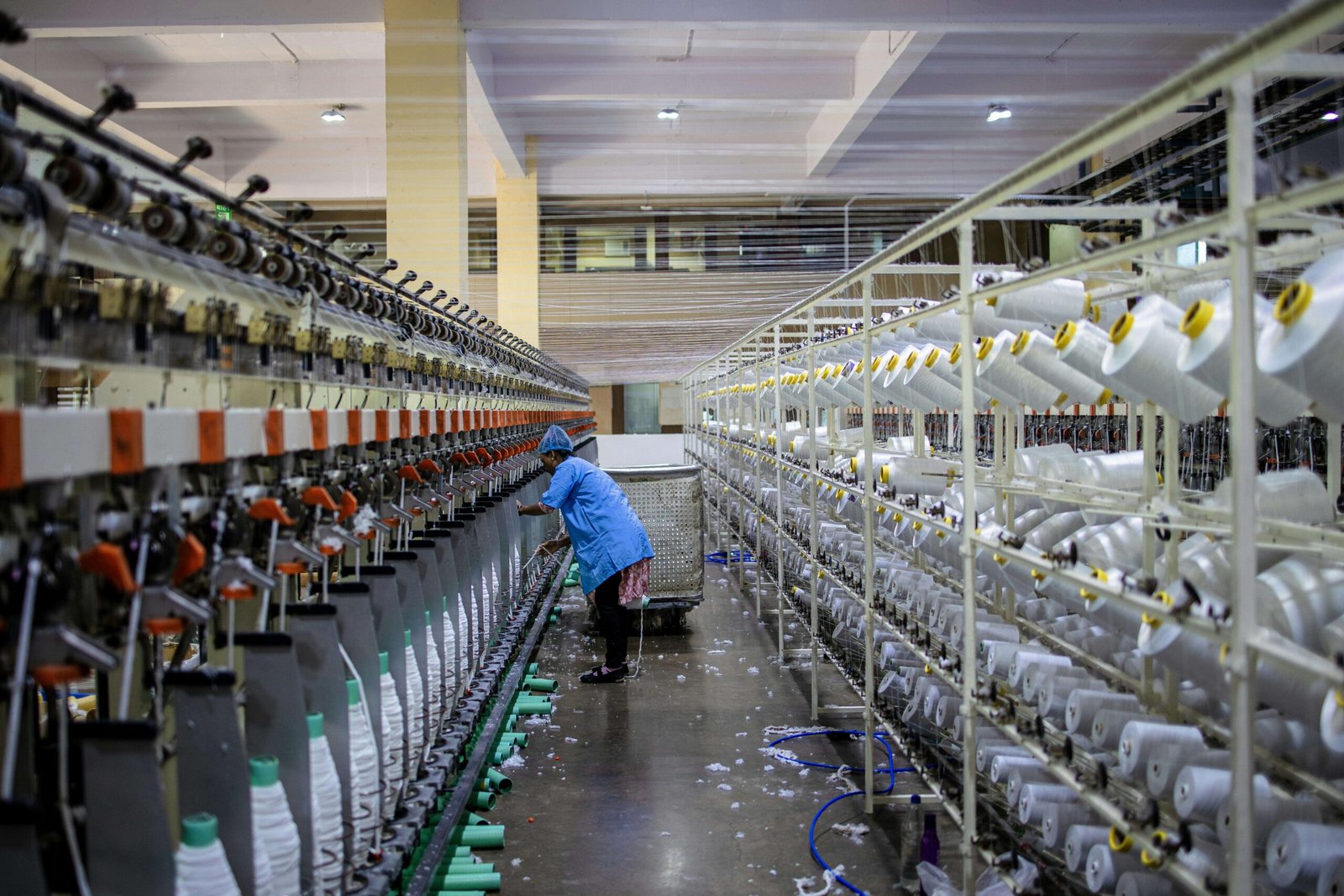
- Hugo Boss: Operates its largest production facility globally in Izmir, utilizing Türkiye’s textile heritage and logistics speed to restock European stores within days.
This connectivity is further bolstered by Turkish Airlines, which has become a logistical juggernaut. As of late 2025, the carrier flies to 355 destinations across 131 countries, maintaining the title of the airline flying to the most countries globally. This unparalleled air connectivity ensures that Turkish-made products and technical personnel can reach global markets faster than almost any other manufacturing hub.
A “Free Access” Gateway to 1 Billion Consumers
Beyond physical logistics, Türkiye’s integration into the global trade system provides a seamless “Free Access” gateway for manufacturers. Through the Customs Union with the European Union and a comprehensive network of Free Trade Agreements (FTAs) with 30 countries, companies producing in Türkiye can reach 1 billion consumers without significant trade barriers or tariffs.
This trade ecosystem is supported by a continuous pro-business reform process. The Turkish government has successfully streamlined bureaucratic hurdles, reducing the time required to set up a company from 38 days in 2002 to just 7 days in 2025.
Resilience Through Diversification
As global firms seek to diversify away from over-reliance on single-source markets (the “China Plus One” strategy), Türkiye stands out as the ultimate alternative. Its ability to offer high-quality manufacturing, a skilled labor force, and high-speed logistics to the world’s largest consumer markets makes it the preferred nexus for the next generation of global production.
For multinationals, Türkiye is no longer just a bridge between East and West; it is the central engine room for the modern, resilient supply chain.
Citations & Sources
- Logistics & Aviation: Turkish Airlines Corporate – Network and Destinations 2025.
- FDI & Operations: Invest in Türkiye – Logistics and Infrastructure.
- Trade Agreements: Ministry of Trade – Free Trade Agreements Overview.
- Automotive Data: OSD (Automotive Manufacturers Association) Annual Export Report.
- Business Environment: World Bank – Doing Business Reforms in Türkiye.