


























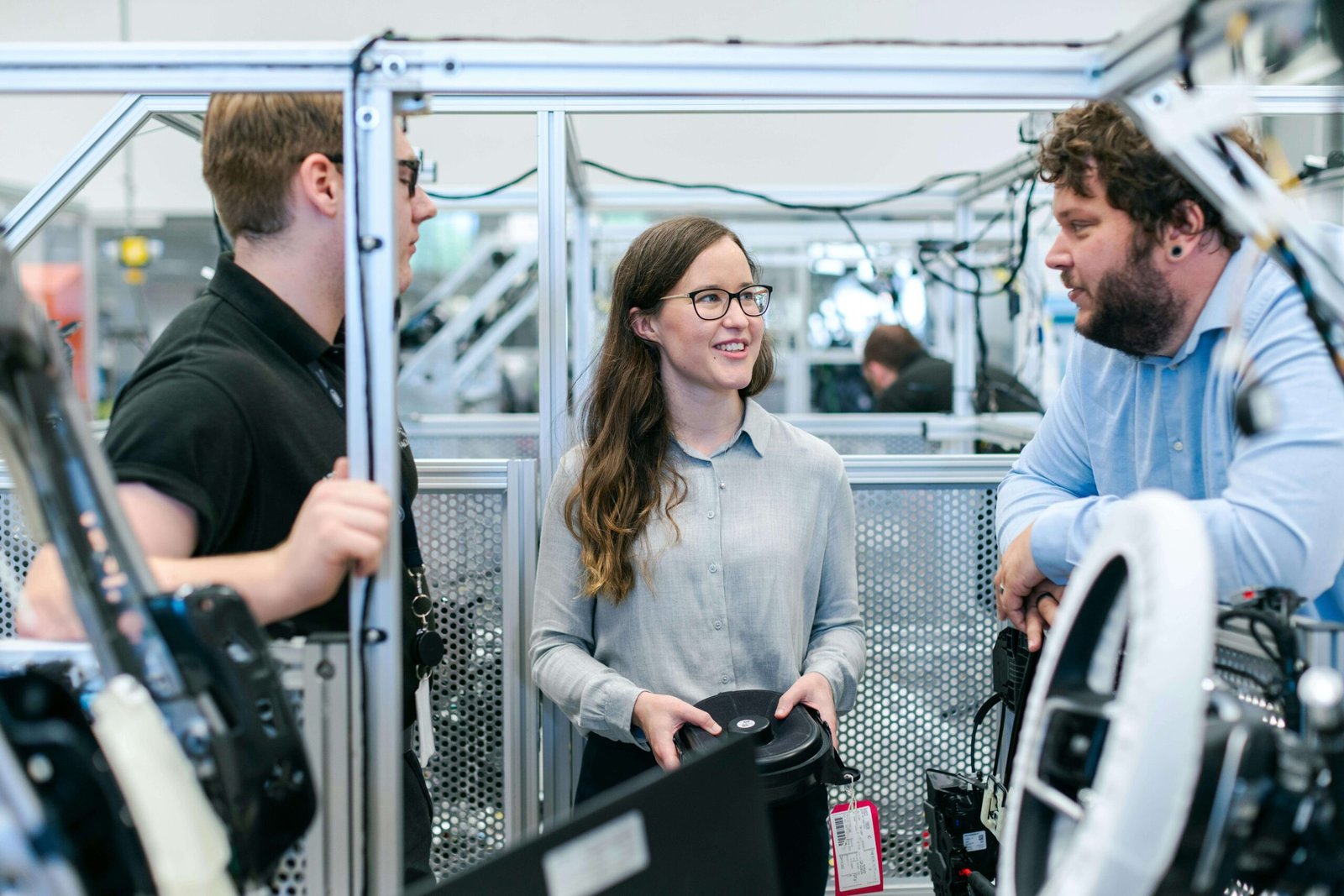
A young, skilled labor force and lucrative R&D incentives are driving a new wave of high-tech investments in Türkiye.
Türkiye is rapidly evolving from a traditional manufacturing base into a high-tech R&D center, signaling a profound shift in its economic DNA. According to the latest figures from TURKSTAT and TÜBİTAK, the country’s Gross Domestic Expenditure on R&D (GERD) has reached $51.4 billion (PPP), a figure that nearly doubles the R&D spending of regional neighbors like Poland and far outpaces other Eastern European nations.
This surge in investment is directly reflected in the growth of human capital. The number of full-time equivalent (FTE) researchers in Türkiye has skyrocketed, reaching over 310,000 as of 2024-2025. This intellectual workforce is the backbone of the “National Technology Initiative,” a state-led strategy aimed at achieving technological self-sufficiency and global competitiveness.
The Demographic Edge: A Young and Tech-Savvy Workforce
The primary driver of this innovation is Türkiye’s demographic advantage. While many European nations grapple with aging populations and shrinking labor pools, Türkiye maintains a vibrant median age of 34.4 years. This young, dynamic, and tech-savvy population is projected to remain a growth engine through 2035.
The educational infrastructure is scaling up to meet this demand:
- Annual Graduates: As of 2024, Turkish universities produce approximately 919,000 graduates annually.
- STEM Focus: Nearly 20% to 25% of bachelor’s degree students graduate from STEM (Science, Technology, Engineering, and Mathematics) fields, providing a steady stream of talent for high-tech industries.
- Doctoral Growth: The number of doctoral students has risen significantly, with over 110,000 currently enrolled, ensuring a deep pool of specialized academic and industrial expertise.
Incentives and the Rise of “Technoparks”
To sustain this momentum, Türkiye offers one of the most competitive R&D incentive regimes in emerging markets. Today, over 100 Technoparks (Technology Development Zones) and nearly 1,600 government-certified R&D and Design Centers provide a fertile ground for innovation.
Key incentives driving international interest include:
- Tax Exemptions: 100% corporate and income tax exemptions on revenue derived specifically from R&D and software activities.
- Payroll Support: The government covers 50% of the employer’s share of social security premiums for R&D staff, significantly lowering operational costs for tech firms.
- Customs Relief: Exemption from customs duties for machinery and equipment imported specifically for R&D projects.
These benefits have attracted more than 760 international companies, including global leaders like Huawei, Bosch, Siemens, and Ford. These giants are not just selling to the Turkish market; they are leveraging Türkiye’s “Advantageous R&D Ecosystem” to design and develop products for the global stage.
As Türkiye continues to climb the Global Innovation Index (rising from 65th in 2011 to 43rd in 2025), it is clear that the nation is no longer just the “world’s factory” but is increasingly becoming the “world’s lab.”
Citations & Sources
- Official Statistics: TURKSTAT – Research and Development Activities Survey 2024-2025.
- Innovation Hubs: TÜBİTAK – National Science, Technology, and Innovation Statistics.
- Incentive Guides: Invest in Türkiye – R&D and Design Incentives Guide 2025.
- Education Data: YÖK (Council of Higher Education) – Statistics on Higher Education 2025.
- Sector Analysis: PwC – Turkey Tax Credits and Incentives 2025.