
















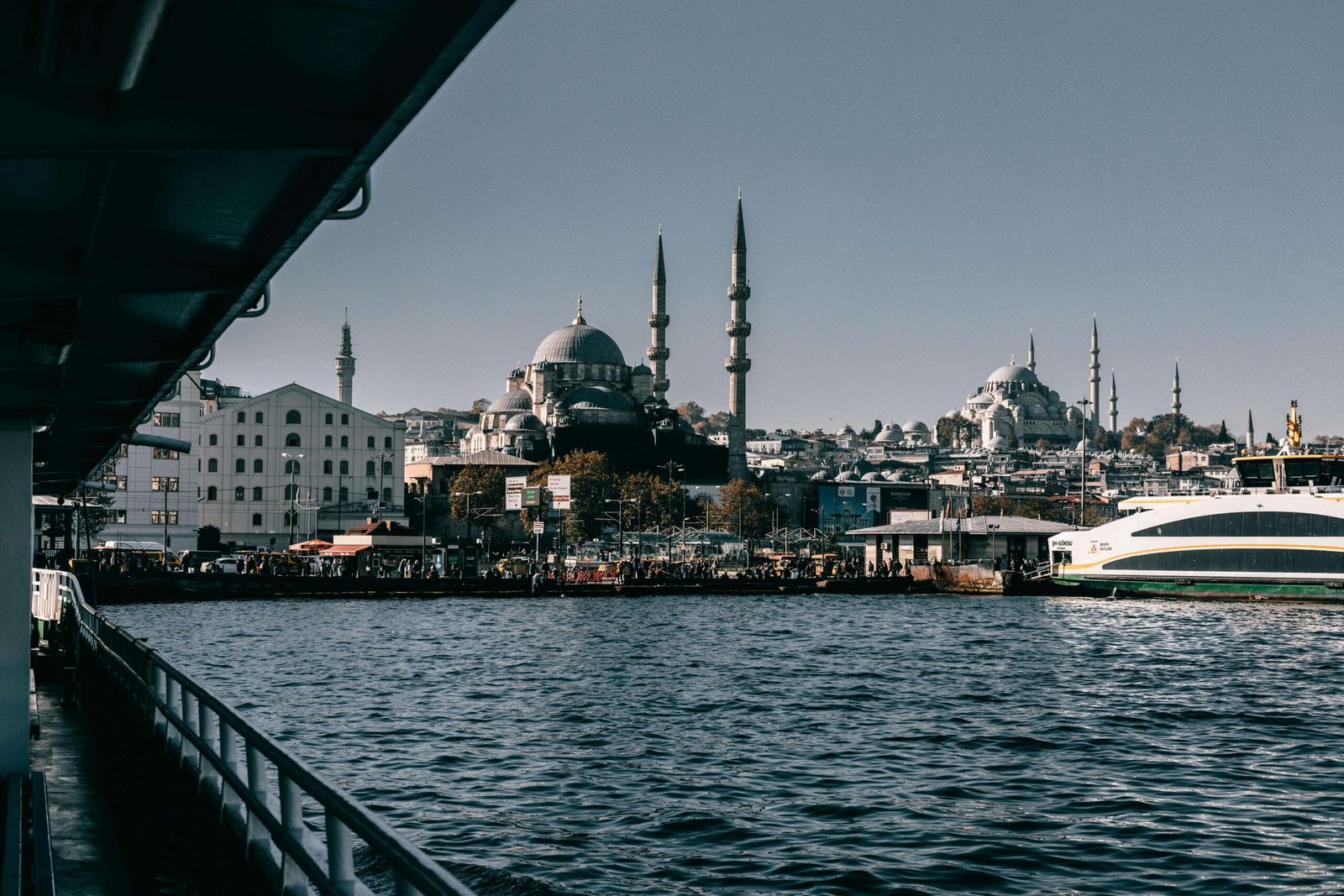
Driven by a resilient occupier market, vacancy rates in Istanbul’s CBD have dropped from 18% to just 5.2%, creating a landlord-favored environment.
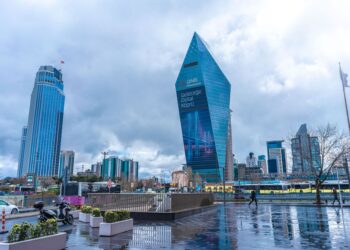
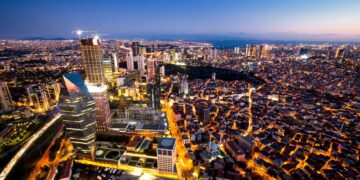
Multinational companies and global sourcing firms looking for high-quality, modern office space in Istanbul are facing an increasingly competitive and tightening market. New data for the 2025-2026 cycle shows that the vacancy rate for Grade-A office space in Istanbul’s Central Business District (CBD) has dropped sharply from 18.0% in 2021 to a mere 5.2% by the end of 2024. In specific premium sub-markets, such as the Ataşehir-Kozyatağı area, vacancy rates have reached a record low of 0.4%, indicating a total lack of immediately available inventory.
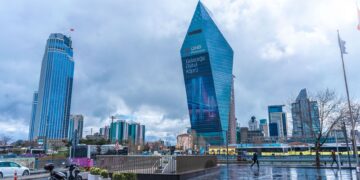
This extreme scarcity is the result of a “perfect storm”: a significant slowdown in new office construction over the past five years, combined with a post-pandemic surge in demand for high-quality, sustainable workspaces. Global firms are no longer looking for just “any” office; they are demanding ESG-compliant (Environmental, Social, and Governance)buildings with LEED or BREEAM certifications. This has created a “prime squeeze,” where the limited supply of certified Grade-A buildings in locations like Levent, Maslak, and Esentepe is being snatched up by the IT, pharmaceutical, and logistics sectors.
The market has shifted firmly into a “landlord-favorable” state. Prime office rents have reached all-time highs in dollar terms, reflecting both the lack of supply and the increasing costs of construction. For companies using Istanbul as their regional service hub—managing operations across up to 90 countries in Eurasia and Africa—this presents a significant strategic challenge. The competition for space has led to a rise in “pre-leasing,” where companies sign contracts for buildings that are still under construction to ensure they have a footprint in the city.
Currently, outside of the massive Istanbul Financial Center (IFC) project, only a handful of major office developments are in the pipeline, totaling roughly 142,000 square meters. While the IFC will eventually provide relief on the Asian side, the European CBD remains starved for new supply. Experts suggest that firms looking to leverage Türkiye’s strategic location may need to look at “emerging CBDs” in districts like Kağıthane or Kartal, which offer modern infrastructure at a slightly lower price point. However, for those requiring a “prestige address” in the heart of the city, the 2026-2027 period will likely see even higher rents and lower availability, making early lease renewals and long-term commitments essential for corporate stability.
Citations & Sources:
- Market Tracker: JLL Türkiye – Commercial Real Estate Reports
- Sector Data: GYODER – Indicators for Turkish Real Estate Sector
- Business News: Istanbul Chamber of Commerce (ITO)