






















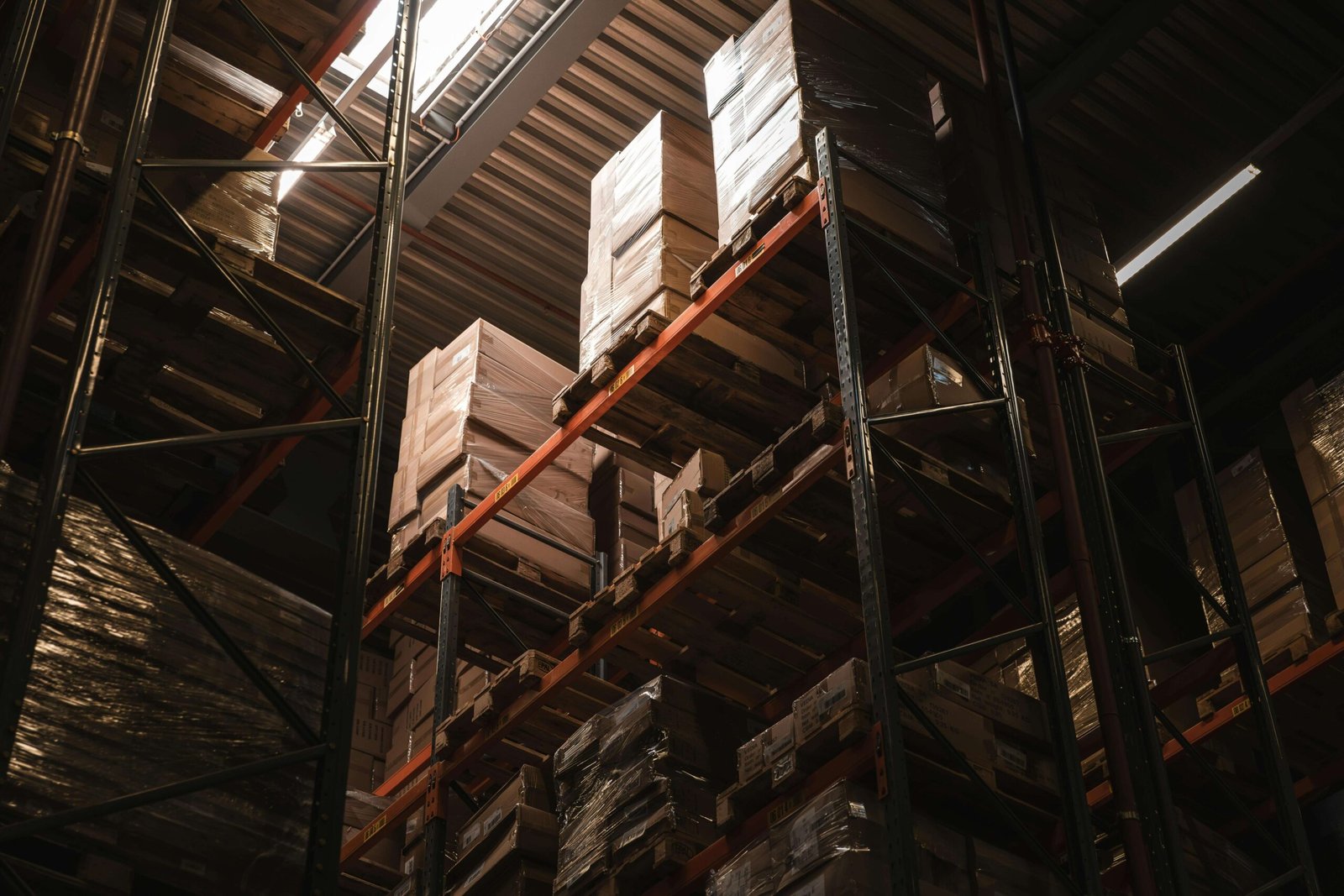
Global supply chain disruptions and nearshoring trends drive demand for Turkish logistics hubs as a faster alternative to northern trade routes.
As the global supply chain landscape undergoes a paradigm shift toward “resilience” and “proximity,” Türkiye’s role as the “Nexus of the World” has transitioned from a geographic potential to a physical industrial reality. The demand for logistics real estate is soaring to unprecedented levels, with prime rents for modern warehousing increasing by over 14% year-on-year. This growth is primarily fueled by the Middle Corridor initiative (Trans-Caspian International Transport Route), which connects China to Europe via the Caspian Sea and Türkiye. In the wake of global geopolitical shifts, the Middle Corridor has emerged as a cost-effective, secure, and significantly faster trade alternative to the traditional northern routes.
The “Nearshoring” and “Friendshoring” trends are the primary catalysts for this logistics boom. European manufacturers are increasingly moving their production bases and inventory hubs to Türkiye to mitigate the risks associated with trans-oceanic shipping and single-source dependencies. With its Customs Union with the European Union and a strategic location that places it within a four-hour flight of 1 billion consumers, Türkiye offers the ultimate “just-in-time” manufacturing and distribution base.
This has led to a massive need for high-specification warehousing that meets the demands of Third-Party Logistics (3PL) providers and global e-commerce giants. These firms are seeking “smart warehouses” equipped with automation, AI-driven inventory management, and cold-chain capabilities. Major international projects like the Development Road Project, which will link the Persian Gulf’s Grand Faw Port to Türkiye’s rail network, are expected to further intensify this demand. This project alone is projected to turn southern Turkish cities like Mersin and Gaziantep into world-class logistics gateways.
For sourcing professionals, the logistics crunch means that securing warehouse space is now a critical part of the procurement strategy. The vacancy rates for modern logistics space in the Marmara Region (Kocaeli-Istanbul axis)have fallen to record lows, pushing investors to develop “multi-story warehouses” to maximize land utility. As Türkiye continues to upgrade its rail-to-port connectivity and invest in “Green Logistics” to comply with the EU’s Carbon Border Adjustment Mechanism (CBAM), the sector is outperforming traditional real estate asset classes. Türkiye is no longer just a bridge; it is a high-speed, integrated industrial engine that ensures the global value chain remains uninterrupted, even in times of global volatility.
Citations & Sources:
- Transport Data: Ministry of Transport and Infrastructure – Republic of Türkiye
- Industry Insights: UTIKAD – Association of International Forwarding and Logistics
- Global Analysis: World Bank – Middle Corridor Trade Study