



























In the last quarter of 2025, Türkiye has witnessed a new wave of foreign investment activity led by Asian partners, signaling the country’s growing importance as a regional production and logistics hub. From textile production to electric vehicle components, several high-profile projects have been announced by investors from China, South Korea, and Japan — reinforcing Türkiye’s strategic position between Europe, Asia, and the Middle East.
According to data from the Presidency of the Republic of Türkiye Investment Office, foreign direct investment inflows exceeded $2.1 billion in the third quarter of 2025, with nearly 40% originating from Asian countries. The sharp rise comes as supply chain diversification remains a top priority for manufacturers worldwide, and Türkiye’s customs union access to the EU makes it an increasingly competitive base for export-oriented production.
One of the most notable projects includes a $120 million investment by China’s Zhongtai Group in a polyester fiber manufacturing plant in Adana’s Organized Industrial Zone. Expected to be fully operational by late 2026, the facility will produce over 80,000 tons of industrial-grade polyester annually, supplying both European and Middle Eastern markets.
“Türkiye offers a unique mix of skilled labor, advanced infrastructure, and proximity to multiple markets,” said Liu Wen, the company’s regional director. “Our goal is to make Türkiye our central hub for exports to Europe.”
Meanwhile, South Korea’s LG Chem has announced plans to expand its collaboration with Turkish conglomerate Vestel in developing lithium-ion battery components for electric vehicles. The agreement, signed in Istanbul in August, includes joint R&D efforts and aims to integrate Türkiye into the wider EV battery supply chain. Industry experts believe this partnership could pave the way for Türkiye to attract further high-tech manufacturing investments.
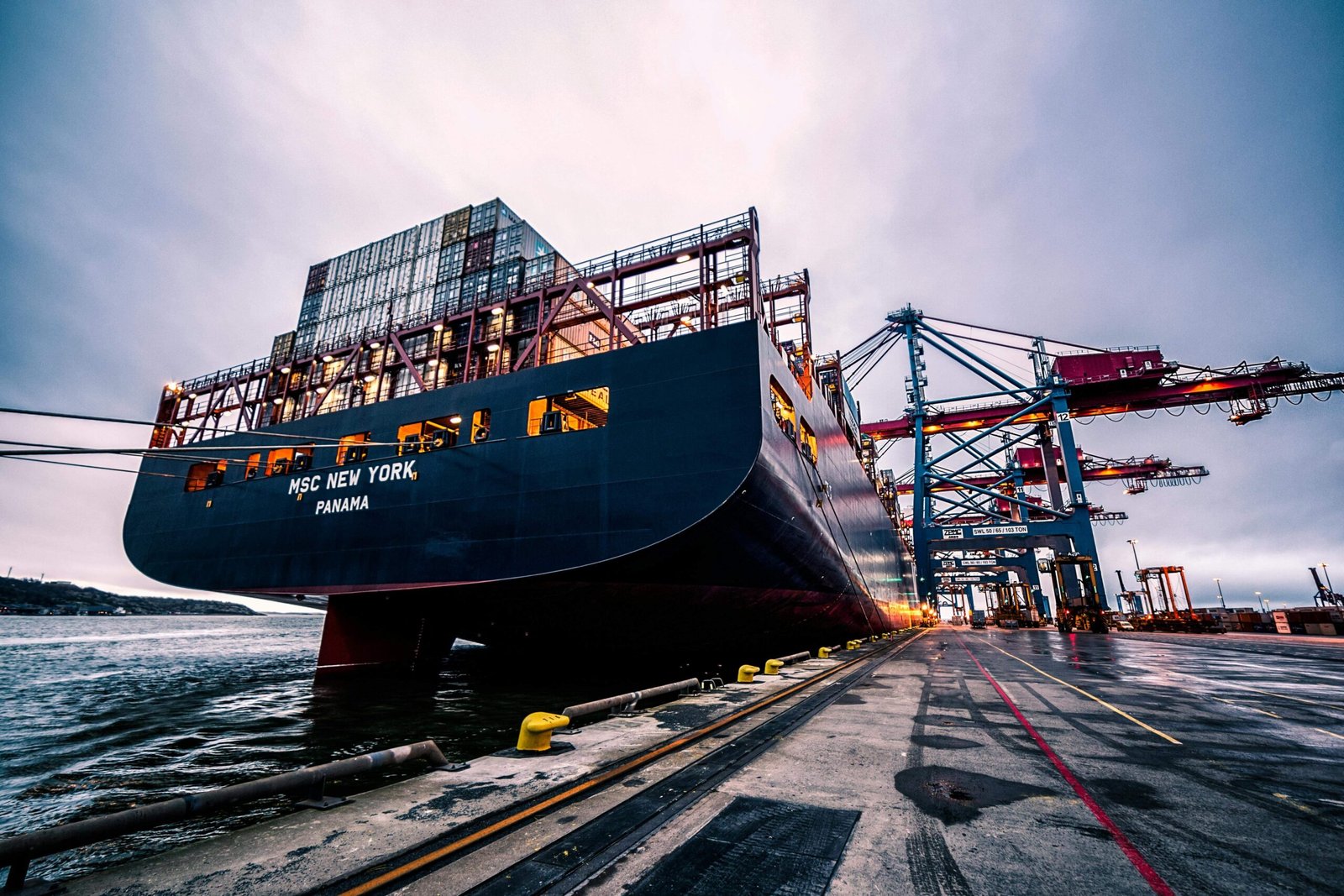
In the logistics sector, Japanese group Itochu has begun feasibility studies for a new intermodal logistics terminal in Mersin. The project, valued at approximately $250 million, is designed to facilitate trade between East Asia and Europe through Türkiye’s ports, rail, and highway networks.
“The growing demand for reliable and fast supply routes between Asia and Europe makes Türkiye an indispensable player,” said Ahmet Şahin, chairman of the Turkish Logistics Association.
These developments align closely with the government’s broader strategy to promote industrial modernization and foreign investment under the “Türkiye Century Vision.” With the introduction of new incentives in free zones and industrial districts, authorities expect at least $8 billion in new manufacturing and logistics investments by the end of 2026.
Economic analysts highlight that the trend is not limited to large corporations. Medium-sized Asian companies are increasingly setting up local partnerships, especially in textiles, plastics, and automotive parts, seeking to reduce logistics costs while benefiting from Türkiye’s skilled workforce.
“This growing synergy between Turkish and Asian industries represents a structural shift in global sourcing patterns,” said economist Dr. Ceyda Demirtaş of Bilkent University. “Türkiye is no longer just a bridge — it’s becoming a production powerhouse that connects continents.”
As the global business environment continues to evolve, Türkiye’s geographic advantage, political stability, and diversified trade agreements are proving to be key magnets for investment. With Asian investors leading this latest wave, Türkiye’s role in the international supply chain seems set to expand even further in 2026 and beyond.














Comments 2