































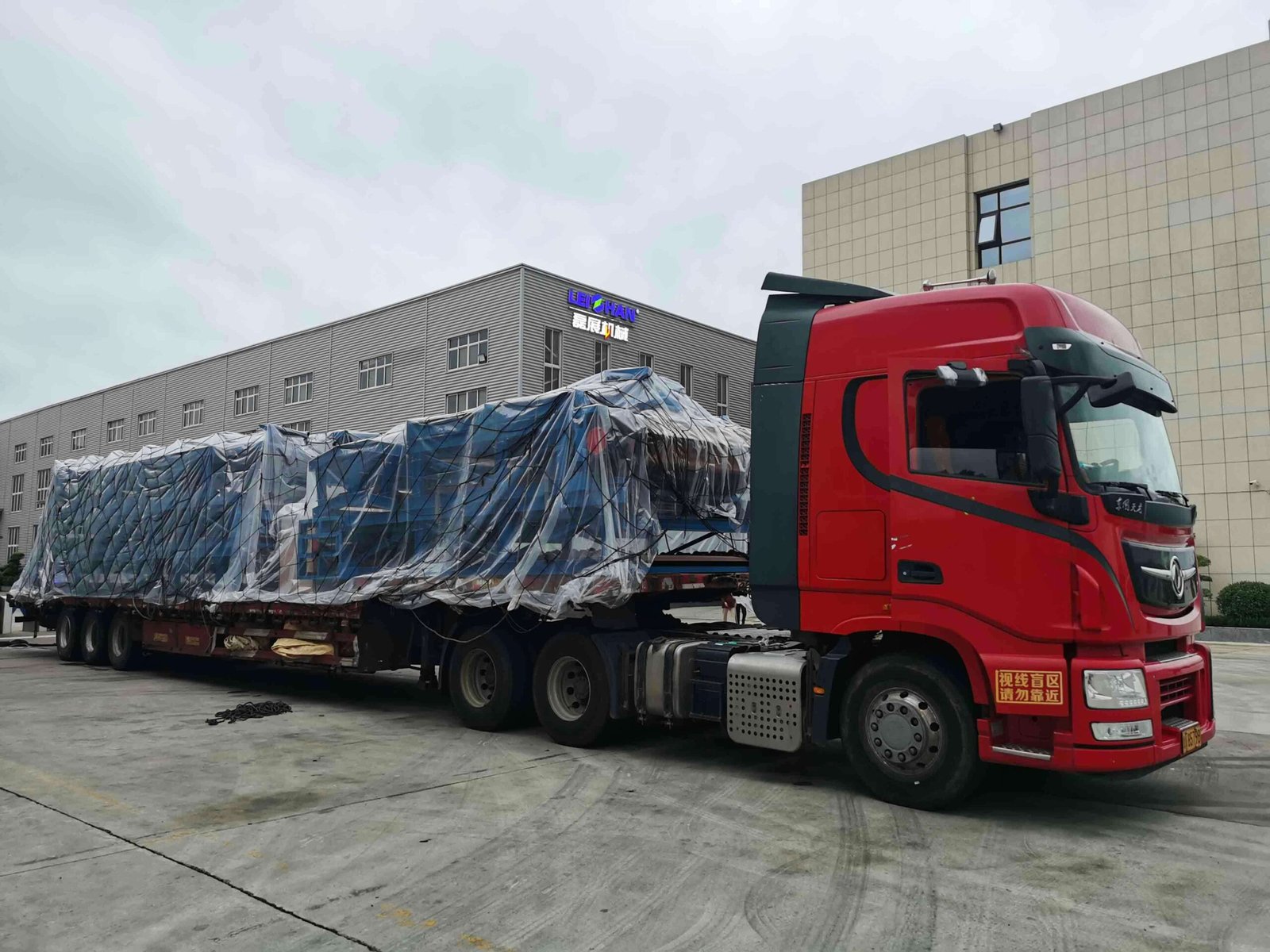
As a faster alternative to northern trade routes, Türkiye’s logistics market sees record demand from e-commerce and 3PL providers.
Türkiye is rapidly solidifying its role as the primary gateway of the Middle Corridor (Trans-Caspian International Transport Route), a strategic trade artery connecting Asia and Europe. In light of ongoing global geopolitical shifts, this route is increasingly favored over the traditional northern alternatives. This strategic pivot is having a profound impact on the domestic logistics real estate market. According to the 2025 Logistics Market Intelligence Report, prime rents for high-specification warehouses in Türkiye’s industrial heartlands surged by 14.3% year-on-year in 2024, with this momentum continuing into early 2026.
The demand is primarily driven by the explosive growth of e-commerce and Third-Party Logistics (3PL) providers. As supply chain resilience becomes the top priority for global manufacturers and retailers, Türkiye’s “nearshoring” advantage has become a critical competitive edge. The ability to reach 1 billion consumers within a 4-hour flight radius—coupled with a direct land and rail connection to Europe—has led to record-low vacancy rates in key logistics hubs like Kocaeli, Dilovası, and the European side of Istanbul. Vacancy rates for Grade-A warehousing in these zones have hovered between 2% and 4%, effectively reaching a “full capacity” status.
New infrastructure projects are further bolstering this capacity. The Development Road Project, which aims to connect the Persian Gulf’s Grand Faw Port to the Turkish border via a 1,200 km rail and highway network, is expected to turn the southern corridor into an indispensable logistical backbone for the EMEA region. This project is not just about transit; it is about creating localized “value-added” zones where goods can be assembled, labeled, and distributed. For international sourcing professionals, this logistics boom ensures significantly faster lead times—cutting transit from Asia to Europe down to 15-18 days compared to 35+ days by sea—and more reliable, multimodal distribution networks integrated into global value chains.
Moreover, the shift toward “smart warehousing” is becoming apparent. Global investors are prioritizing facilities equipped with automated storage and retrieval systems (AS/RS) and solar-ready rooftops to meet ESG requirements. As prime rents continue their upward trajectory, developers are looking toward secondary cities like Eskişehir and Afyon as emerging logistics nodes, offering more space at competitive rates while still providing excellent rail connectivity to the ports of İzmir and Mersin.
Citations & Sources:
- Sector Report: Cushman & Wakefield – Türkiye Logistics MarketBeat 2025
- Logistics Authority: UTIKAD – Middle Corridor Capacity Analysis 2026
- Infrastructure Data: Ministry of Transport and Infrastructure – Development Road Project Updates