





























Overview of Turkish Market Movements
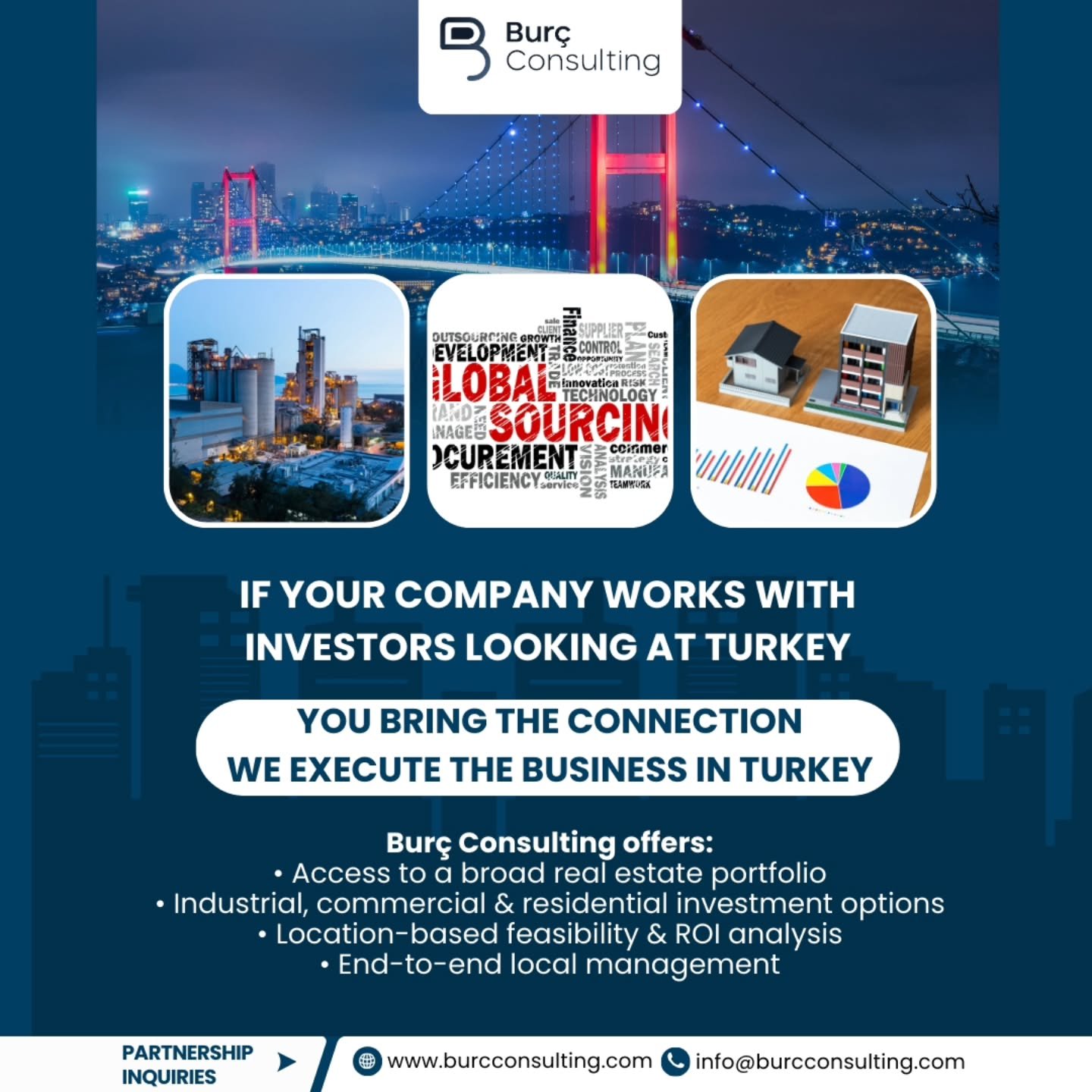
The third quarter of 2025 has seen significant activity in Turkish markets, driven by strong exports and growing foreign investment. Key sectors such as textiles, food & agriculture, furniture, industrial goods, and digital technology have experienced increased demand, particularly from Asian and Gulf markets.
“Investors are monitoring Turkey closely because of its strategic position and expanding export capabilities,” said Ali Burç, founder of Burç Consulting. “The Q3 trends reflect sustained confidence from international buyers.”
According to data from the Turkish Statistical Institute (TÜİK), export volume rose by 28% compared to Q2 2025, while foreign direct investment inflows increased by 35%, highlighting the attractiveness of Turkey’s business environment.
Sector-Specific Insights
Textiles & Apparel: Rising orders from Singapore, Qatar, and UAE, focusing on premium fabrics and fashion goods.
Food & Agriculture: Organic products, dried fruits, nuts, and packaged foods continue to see high demand.
Furniture & Home: Exports of Turkish furniture and décor items expanded to Southeast Asia and Gulf markets.
Industrial Goods: Machinery, packaging, and raw materials gained attention from regional manufacturers and tech firms.
Digital Economy & Tech: AI, fintech, and green technology startups attract early-stage investment from Asian and Gulf investors.
Analysts note that Turkey’s diverse export portfolio is helping the country reduce reliance on any single market while increasing global competitiveness.
Currency, Inflation, and Investment Impact
While the Turkish Lira experienced moderate volatility in Q3 2025, inflation measures and policy interventions have stabilized purchasing power for exporters and investors.
Dr. Ceyda Demirtaş, economist at Bilkent University, said: “Exchange rate stability and targeted monetary policies are encouraging foreign investors to commit capital now, rather than waiting for macroeconomic uncertainty to resolve.”
These factors, combined with efficient logistics and industrial infrastructure, make Turkey an increasingly attractive destination for international trade and supply chain partnerships.
Statements from Market Analysts and Investors
Foreign investors emphasized the benefits of Turkey’s strategic geographic location, which allows companies to reach Europe, Asia, and the Middle East efficiently.
“Turkey is no longer just a manufacturing base; it’s a strategic partner for regional and global market access,” said Lee Min-Jae, procurement manager at a Seoul-based importing firm.
Investors also highlighted government incentives, free trade zones, and industrial park developments as key factors in their decision-making processes, allowing faster entry into new markets.
Outlook for Q4 and Beyond
Economists predict that export and investment momentum will continue into Q4 2025, particularly in sectors with high demand in Asia and Gulf countries. Analysts recommend that international buyers establish long-term partnershipswith Turkish suppliers to secure priority access to high-quality products and services.
Ali Burç concluded: “Market trends indicate that Turkey is poised for steady growth. Early engagement by foreign investors will be crucial to capturing emerging opportunities across multiple sectors.”