





















Growing Interest from Gulf Investors
In recent months, Turkish manufacturing has captured significant attention from Qatari investors seeking stable, cost-effective production bases. Delegations from Doha visited cities like Bursa, Izmir, and Gaziantep to explore investment opportunities in machinery, automotive components, and textile manufacturing.
“Turkey offers not just affordability but also high-quality manufacturing standards,” said Fahad Al-Mansouri, a representative of Doha-based Al Jazeera Holding. “Its location between Europe and the Middle East makes it an ideal hub for expansion.”
According to the Turkish Ministry of Industry and Technology, FDI from Gulf countries increased by 28% in Q3 2025, highlighting a broader trend of Middle Eastern firms diversifying production outside their domestic markets.
Strategic Advantages of Turkish Manufacturing
Investors are drawn to Turkey’s competitive labor costs, well-established supplier networks, and growing infrastructure capabilities. Key sectors include automotive parts, machinery, packaging solutions, and specialized textiles.
Mehmet Kaya, an industrial analyst at Istanbul Technical University, noted, “Turkey’s manufacturing ecosystem has matured. It can now support both high-volume and customized production for international partners.”
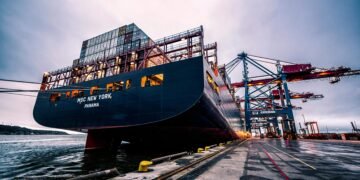
Logistics efficiency also plays a role: Turkey’s access to multiple ports and rail connections ensures that products can be shipped to Europe, Africa, and Asia with relative ease.
Case Studies: Joint Ventures and Partnerships
Several Qatari firms are negotiating joint ventures with Turkish manufacturers. One example is a proposed partnership in Gaziantep’s industrial zone for the production of automotive seat components, with an initial investment of $45 million. This project is expected to create over 600 jobs and serve as a supply base for both European and Gulf automotive markets.
Another collaboration in Bursa focuses on high-end textiles for export to Qatar and other Gulf countries, capitalizing on Turkish design expertise and competitive production costs.
Implications for International Trade
These developments reflect a broader trend of Gulf investors seeking to diversify production and mitigate regional supply risks. Turkish manufacturers benefit not only from foreign capital but also from technology transfer, higher international standards, and entry into new markets.
“For international buyers, partnerships with Turkish suppliers now guarantee both quality and reliability,” said Ali Burç, founder of Burç Consulting. “Turkey is rapidly emerging as a central hub connecting Europe, Asia, and the Middle East.”
With government incentives, streamlined industrial permits, and growing FDI-friendly policies, analysts predict that investment inflows from Gulf countries will continue to accelerate in 2026.