



























Surge in Digital Economy Investments
Türkiye has emerged as a promising hub for digital economy and green technology investments, attracting significant interest from Asian venture capital firms and multinational corporations. According to the Turkish Ministry of Industry and Technology, foreign investment in technology and renewable energy sectors grew by 42% in the first three quarters of 2025, with companies from China, South Korea, and Japan leading the wave.
“Türkiye offers a unique combination of talent, infrastructure, and strategic location,” said Li Wen, investment director at a Shanghai-based tech fund. “It is an ideal market for both digital innovation and sustainable energy projects.”
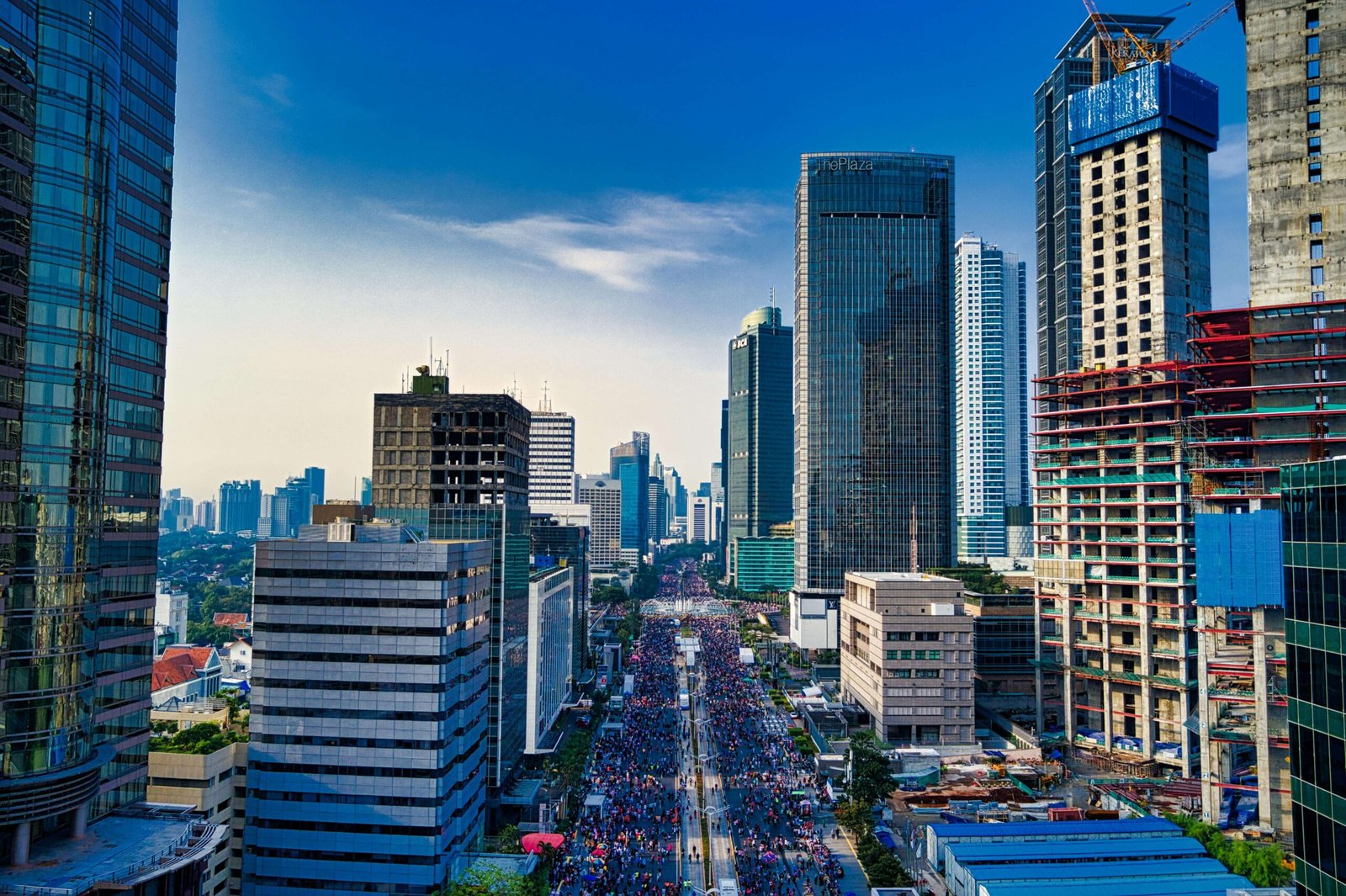
Key investment areas include AI-powered manufacturing solutions, green energy startups, and smart logistics platforms. Istanbul, Ankara, and Izmir have become central nodes for these ventures, with incubation programs, technology parks, and government incentives fostering innovation and international collaboration.
Green Tech Projects Gain Momentum
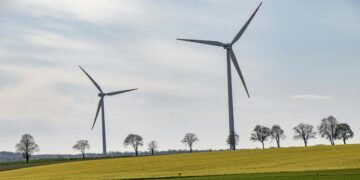
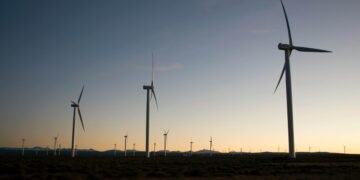
Asian investors are particularly drawn to Türkiye’s renewable energy initiatives. In 2025, LG Chem partnered with Turkish conglomerate Vestel to establish lithium-ion battery production and R&D operations. Similarly, solar and wind energy projects in Konya and Mersin are seeing joint investments from South Korean and Japanese firms, aiming to export renewable technology components to Europe and Asia.
“Our goal is to integrate Turkish innovation into the global green energy supply chain,” said Lee Min-Ho, regional director at LG Chem. “Türkiye’s renewable energy potential is unmatched in the region, and the policy framework supports sustainable investment.”
These projects not only generate high-value employment but also position Türkiye as a strategic hub for green tech exports, bridging European and Asian markets.
Digital Economy and Startups Flourish
The Turkish digital startup ecosystem is also expanding, with a strong focus on fintech, e-commerce, and AI-driven supply chain solutions. Cities like Istanbul and Ankara host several incubators and accelerators that actively seek foreign partnerships.
“Turkey’s startups provide scalable solutions for international markets, particularly in fintech and smart logistics,” said Ceyda Demirtaş, tech analyst at Bilkent University. “Asian investors are increasingly looking to participate in early-stage funding rounds.”
The government has introduced tax incentives and venture support programs to facilitate technology transfers, encourage joint ventures, and attract foreign R&D centers. These measures are making Türkiye an attractive destination for technology-focused investors.
Strategic Implications for Global Investors
Türkiye’s rise as a tech and green innovation hub has broader implications for global supply chains. Investors gain access to a skilled workforce, regional distribution networks, and a favorable regulatory environment for sustainable development.
Ali Burç, founder of Burç Consulting, emphasized: “Investors from Asia see Türkiye not just as a market, but as a platform to scale innovation across Europe and the Middle East.”
With continued foreign participation in green technology and digital economy projects, analysts forecast sustained growth and increasing global integration for Türkiye’s tech sector throughout 2026 and beyond.