



























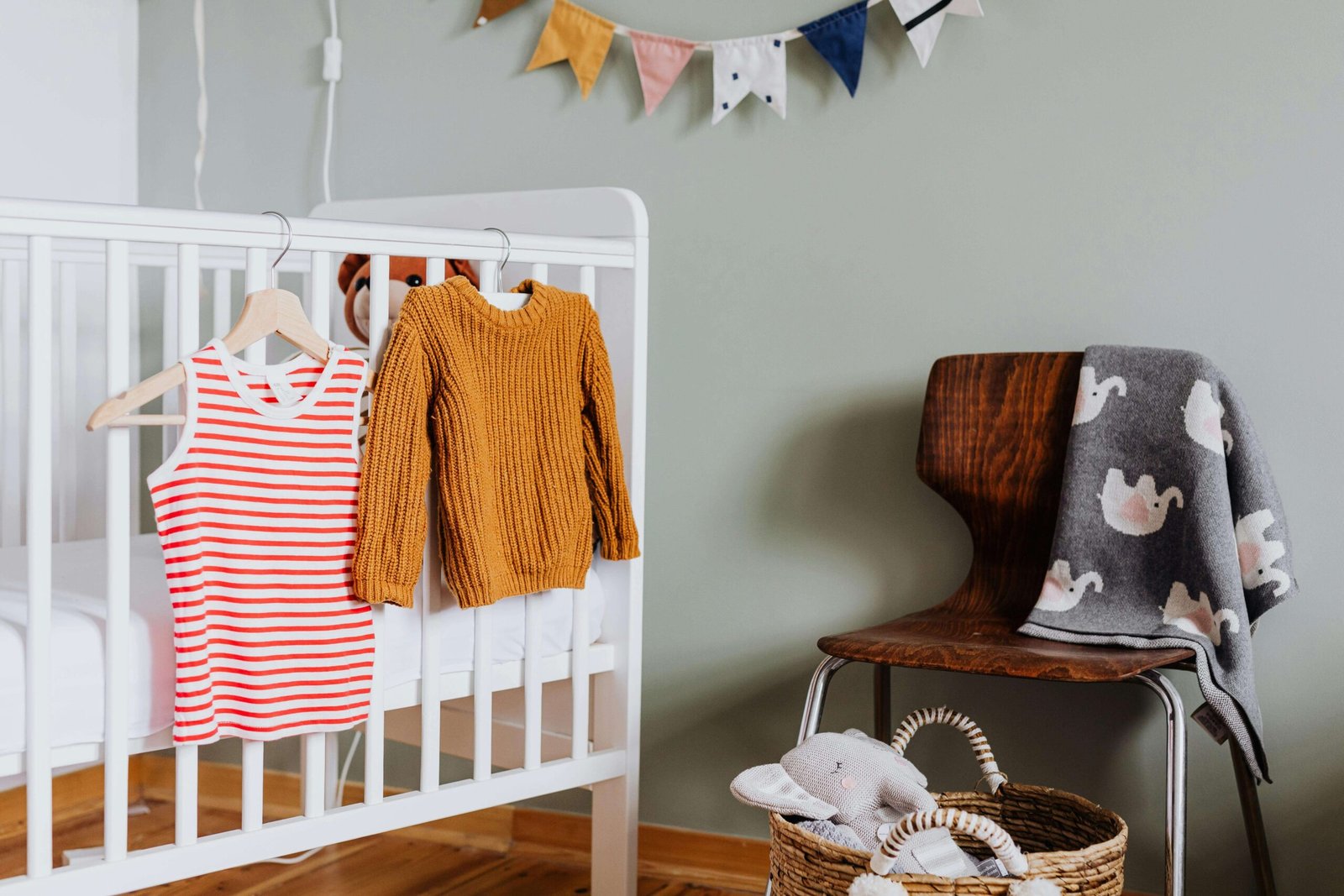
Manufacturing and Sourcing Dynamics in Türkiye’s Apparel Sector
Turkey (Türkiye) is a globally competitive Supplier and Manufacturing hub for Baby and Children’s Apparel, distinguishing itself through its deep expertise in Cotton and rapid compliance with international health and safety standards. The sector leverages Türkiye’s position as a major Organic Cotton producer to capture high-value market segments in Europe and the US.
The children’s clothing sector faced global headwinds, with Exports declining sharply by 28 percent in 2023 (to 284$ million dollars) compared to 2022 figures, reflecting high inflation and reduced consumer demand in key markets. However, Turkish Suppliers are banking on the Nearshoringtrend and high quality to drive recovery.
The Organic Competitive Edge
The most significant competitive advantage for Turkey / Türkiye in this sector is its vertically integrated Organic Cotton Supply Chain.
- GOTS Certification: Turkish manufacturers are leaders in GOTS (Global Organic Textile Standard)certification, a fundamental requirement for selling baby Textiles in the EU and North America. Companies actively promote their GOTS and OEKO-TEX compliance, assuring buyers that products are free from harmful chemicals and meet stringent social criteria.
- Cotton Sourcing Base: Turkey ranks among the top ten global Cotton producers. High-quality Aegean cotton is the preferred fiber for baby and children’s wear due to its hypoallergenic properties. This localized Sourcing of organic raw material ensures control and traceability, from farm to factory. This capability feeds into Türkiye’s wider 1 billion euro organic Exports market (Internal Link: Organic Food: 1 Billion Euro Exports & Certified Sourcing).
Nearshoring, Logistics, and Trade Strategy
The Baby and Kids Wear sector is a prime beneficiary of the Nearshoring shift due to the critical importance of speed and reliability when stocking seasonal children’s clothing:
- Fast Fashion Compliance: Turkey’s ability to offer production lead times of two to four weeks—compared to significantly longer times from Asia—is invaluable for European retailers. This speed, backed by strong Logistics networks, minimizes lost sales opportunities.
- New Import Regulations: As of January 2025, Turkey implemented stricter import controls on Textiles and apparel (Communiqué 2025/18) using the TAREKS platform. This move, aimed at increasing product safety and compliance, signals Türkiye’s commitment to being a high-standard Trade partner.
Investment and Economy Outlook
Foreign Investment in the Turkish apparel Manufacturing base is increasingly focused on modernization and ethical compliance.
- Ethical Manufacturing: The sector is investing in programs aimed at eliminating child labor and improving working conditions, particularly in the regions reliant on Cotton production. This ensures ethical Sourcing for demanding global brands.
- Cost Pressures: The core challenge remains rising production costs (labor and energy) within the domestic Economy. To overcome this, Turkish Suppliers are prioritizing Exports to high-value markets (US, Germany, UK) and focusing on high-margin, branded products over competing on low price alone. This is consistent with the strategic shift across the entire Textiles and apparel industry (Internal Link: Activewear Sourcing: Near-Shore Advantage).
Next Steps for Global Brands
For children’s wear brands and retailers prioritizing Certified Organic Sourcing, quality, and Nearshoringspeed, Turkey / Türkiye offers the most compliant and robust Manufacturing base in the Western supply chain.
For specialized Sourcing and Manufacturing partnerships with GOTS-certified Baby and Children’s Apparel Suppliers in Turkey, contact the experts at Burc Consulting.