




























Sourcing and Manufacturing Dynamics in Türkiye’s Textile Backbone
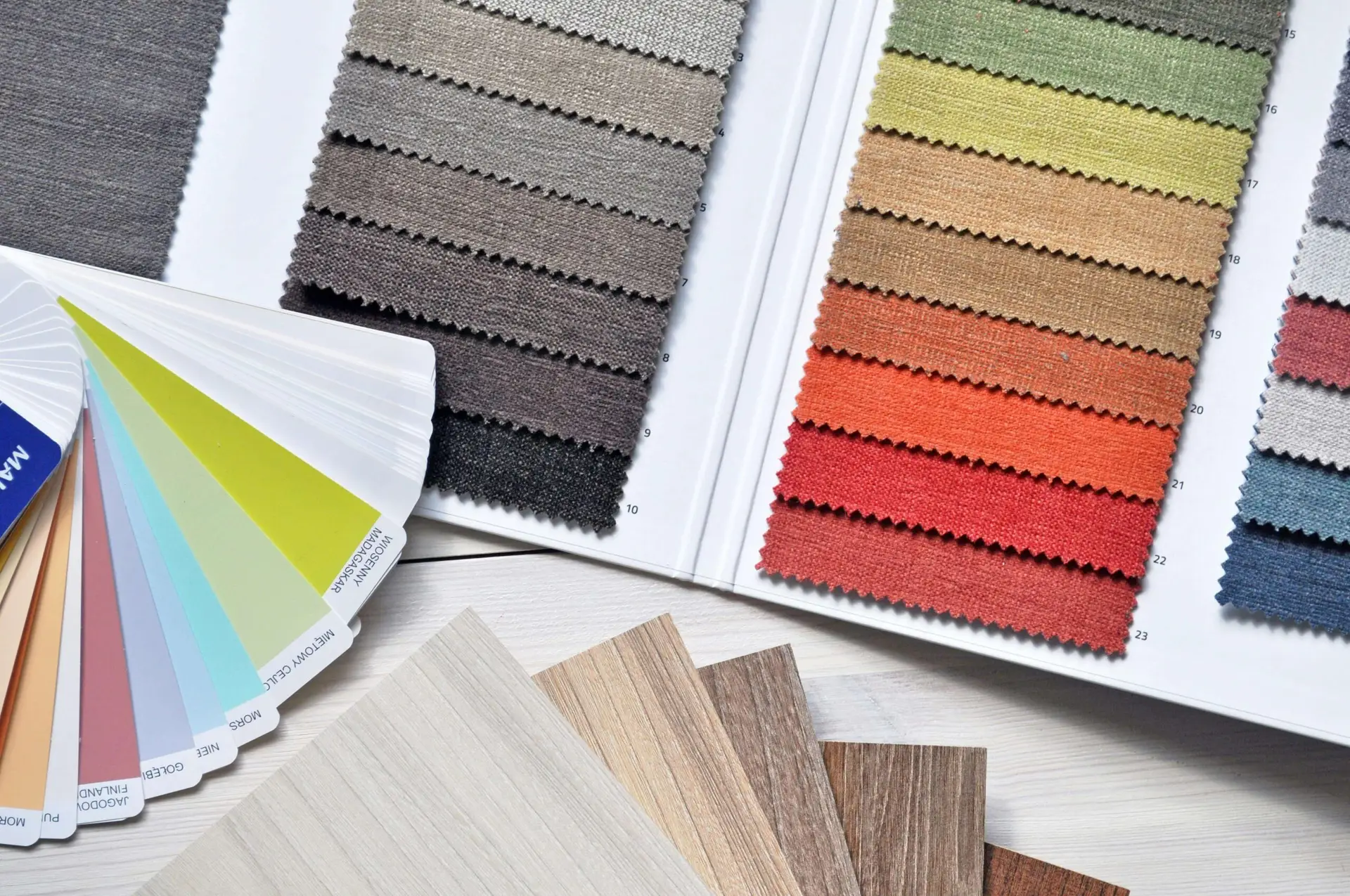
Turkey (Türkiye) is a critical, vertically integrated global Supplier in Fabric Manufacturing, producing high-quality Cotton, Wool, Synthetic, and Blend Textiles. The fabric segment is the core component of the country’s textile Exports, valued at 4.38 billion dollars in the first nine months of 2025, with the EU remaining the largest market.
Türkiye’s Manufacturing strength is built on decades of investment, resulting in the largest spinning capacity and the second-largest textile fabric production capacity in Europe. The sector’s competitiveness is grounded in quality, speed, and design capability, making it a powerful Nearshoring hub.
- Raw Material Base: Turkey ranks seventh globally in Cotton output. Although domestic production is forecast to decrease slightly in the 2025/2026 marketing year (projected at 700,000 metric tons) due to smaller planting areas and drought, high-quality Aegean cotton remains a major advantage. Furthermore, the textile sector is leading the transition to Better Cotton Initiative (BCI) and Organic Cotton to meet global sustainability demands.
- Synthetic and Technical Fabrics: Turkey’s Manufacturing base is highly flexible, specializing not only in natural fibers but also in Synthetic and Blend fabrics. Cities like Bursa are specialized hubs for technical and specialized woven fabrics, crucial for the automotive and high-end furniture Textiles sector (Internal Link: Curtain & Upholstery: $4 Billion Fabric Exports).
Nearshoring and Logistics for Speed and Trade
The Fabric Manufacturing industry capitalizes fully on Turkey’s strategic Logistics position, providing a decisive edge over Asian Suppliers:
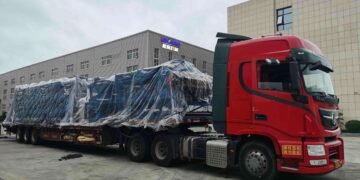
- Quick Response: Short shipping times allow Turkish mills to offer production lead times significantly shorter than those from the Far East. This agility enables European apparel brands to respond faster to market changes, benefiting the entire downstream Supply Chain—from high-volume knitwear to premium woven garments (Internal Link: Woven Apparel: Strategic Nearshoring Hub).
- EU Trade Access: The Customs Union provides tariff-free access to the EU, ensuring predictable Tradefor major brands that rely on Turkey for their core fabric Sourcing.
Investment and Economy Challenges
The sector faces persistent challenges within the national Economy, primarily high production costs (labor and energy) and intense global competition, which have resulted in the textile industry’s capacity utilization rate (CUR) dropping to 69 percent as of July 2025—the lowest in the last decade outside of the initial pandemic period.
- FDI Focus: Foreign Direct Investment (FDI) is strongly directed toward modernizing the machinery pool and accelerating digitalization (Industry 4.0 adoption) to improve efficiency and offset cost pressures. The government incentivizes Investments in high-tech and value-added Manufacturing to secure the sector’s long-term global competitiveness.
Next Steps for Global Buyers
For apparel brands and home goods manufacturers, Turkey / Türkiye offers essential Sourcing reliability for a diverse, high-quality fabric mix, backed by the strategic speed of Nearshoring.
To secure long-term contracts with integrated Fabric Suppliers or to evaluate strategic Investment in Turkey’s specialized Textiles Manufacturing capacity, contact the experts at Burc Consulting.