































November 7, 2025 – Antalya, Turkey
Sourcing and Manufacturing in Türkiye’s Horticultural Sector
Turkey (Türkiye) is a vital global Supplier of Fresh Fruits and Vegetables, including high-volume products like Tomatoes, Citrus (Lemons, Tangerines), and Grapes. With 60 million tons of annual fruit and vegetable production, Turkey ranks as the 7th largest agricultural producer globally and is the source for 8.7 percent of the EU’s fresh produce imports.
The fresh produce sector achieved 3.4 billion dollars in Exports in 2024, with the top four products (tomatoes, lemons, peppers, and apples) accounting for 63 percent of the total.
Climate Volatility and Supply Chain Risk
The 2025 season highlights significant Supply Chain vulnerabilities, as Türkiye’s overall produce yields are predicted to drop by 30 percent due to adverse climatic conditions. This volatility creates a complex Sourcing environment for international buyers.
- Key Declines: Major crops show steep projected declines for 2025 production:
- Cherries: Down 70.6 percent
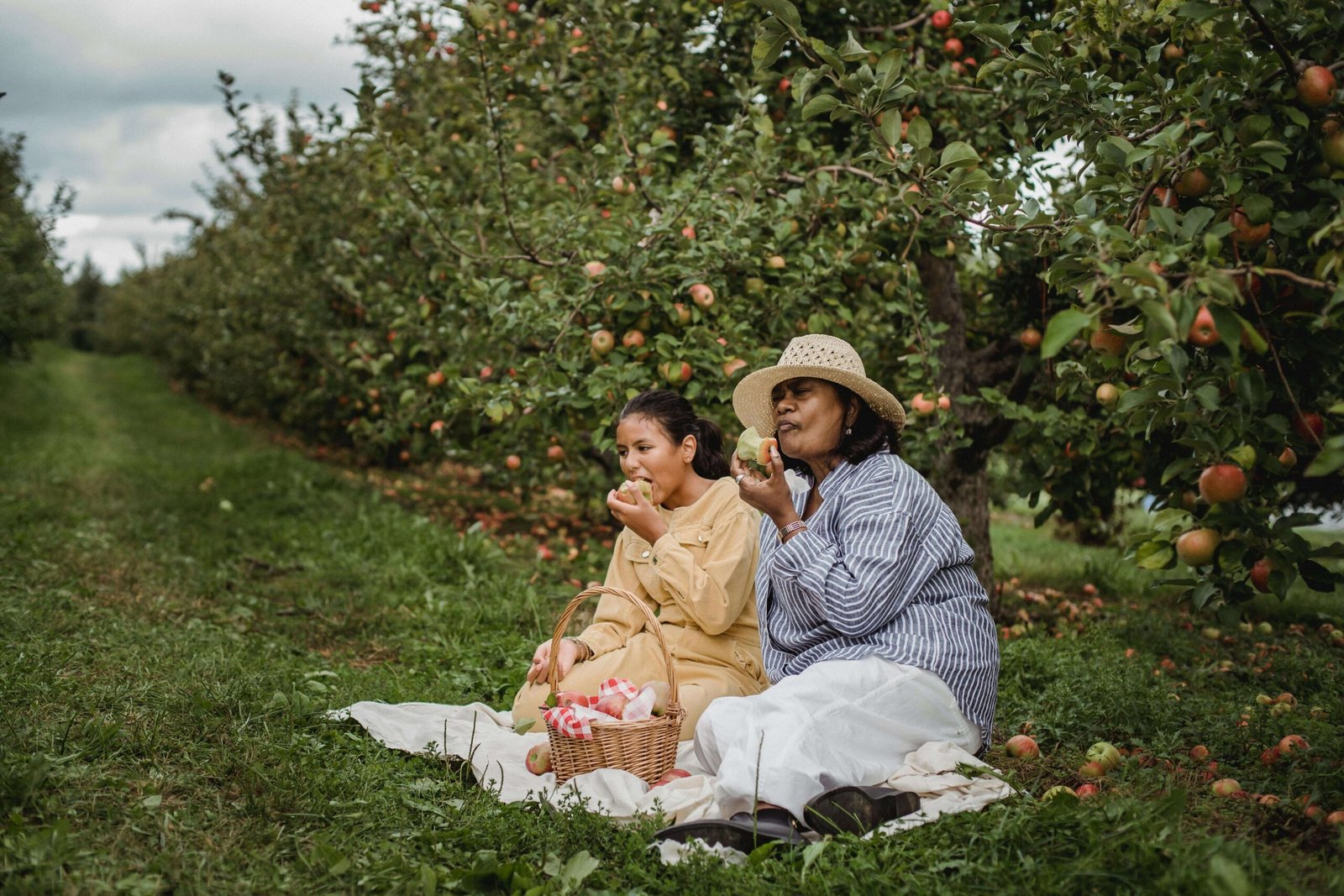
- Apples: Down 48.3 percent
- Lemons: Down 34.8 percent
- Grapes: Down 24.5 percent
- Tomatoes: Down 7.6 percent
- Resilience through Greenhouses: The sector is mitigating some climate risk through high-tech Greenhouse Manufacturing. Turkey’s 2,000 plus hectares of greenhouses, particularly in Antalya and Mersin, ensure year-round supply and better quality control for key Exports like Tomatoes and cucumbers.
Logistics, Nearshoring, and Trade Compliance
Turkey / Türkiye’s Logistics infrastructure and Nearshoring position are critical for preserving the quality and value of perishable Exports.
- Cold Chain Investment: The Cold Chain Logistics Market in Turkey is valued at 2.08 billion dollars in 2025 and is projected to grow significantly (at a CAGR of over 7 percent). This heavy Investment in refrigerated transport, IoT-enabled monitoring, and cold storage capacity is essential for ensuring Tomatoes and Citrus maintain freshness on their rapid route to European and Middle Eastern markets.
- EU Compliance: The ability of Turkish Suppliers to adhere to strict EU Maximum Residue Limits (MRLs) is vital for sustained Trade. New, lower MRLs for several fruits emphasize the need for precision agriculture and clean Sourcing (Internal Link: Organic Food: 1 Billion Euro Exports & Certified Sourcing).
Investment and Economy Outlook
Foreign Investment opportunities are robust, centering on technology and resilience:
- Agribusiness FDI: Government incentive programs encourage Investment in specialized sub-sectors, including high-tech greenhouse Manufacturing and cold storage. This strategic FDI helps professionalize the Supply Chain and reduce post-harvest losses.
- Market Diversification: Despite Russia and Germany remaining top Exports markets, the sector is targeting a 6.2 billion dollar export goal by 2028 through expanded Trade with Africa, the Gulf (Iraq, Saudi Arabia), and Asia. This diversification stabilizes the sector’s contribution to the national Economy (Internal Link: Asian & Gulf Markets Boost Turkish Agri Exports).
Next Steps for Global Food Buyers
For international distributors and retailers, Turkey / Türkiye remains a core Sourcing partner for Fresh Produce. Strategic long-term contracts and direct Investment in cold chain Logistics are necessary to secure supply amidst climate risks.
For expert Sourcing strategies for Tomatoes, Citrus, and Grapes, and to evaluate FDI opportunities in Turkey’s high-tech Greenhouse and cold storage Logistics sector, contact the experts at Burc Consulting.















Comments 2