





























November 8, 2025 – Bursa/Izmir, Turkey
Manufacturing Scale and Sourcing Opportunities
Turkey (Türkiye) is rapidly increasing its role as a key Supplier and Manufacturing hub in the global Frozen Food market, which is projected to exceed 296 billion dollars by 2029. This growth is fueled by Türkiye’s abundant agricultural output and strategic Investments in the Cold Chain Logistics network.
The Turkish packaged food market itself is projected to grow at a CAGR of 6.50 percent between 2025 and 2033, creating a robust domestic base for frozen products.
- Product Range: Turkey’s frozen food Exports primarily consist of Frozen Vegetables, Fruits, and increasingly, Traditional Pastries and bakery items (like börek and simit). Exports are directed to major European markets (Germany, Sweden, Netherlands) and the United States.
- Frozen Bakery Boom: The frozen bakery market alone in Turkey is expected to grow at a strong CAGR of 7.9 percent through 2031, driven by urbanization and demand for convenience, validating the Manufacturing quality in this specialized segment.
Nearshoring and Logistics for Cold Chain Resilience
The viability of Frozen Food Exports from Turkey / Türkiye relies entirely on its Cold Chain Logisticscapacity, which provides a critical Nearshoring advantage.
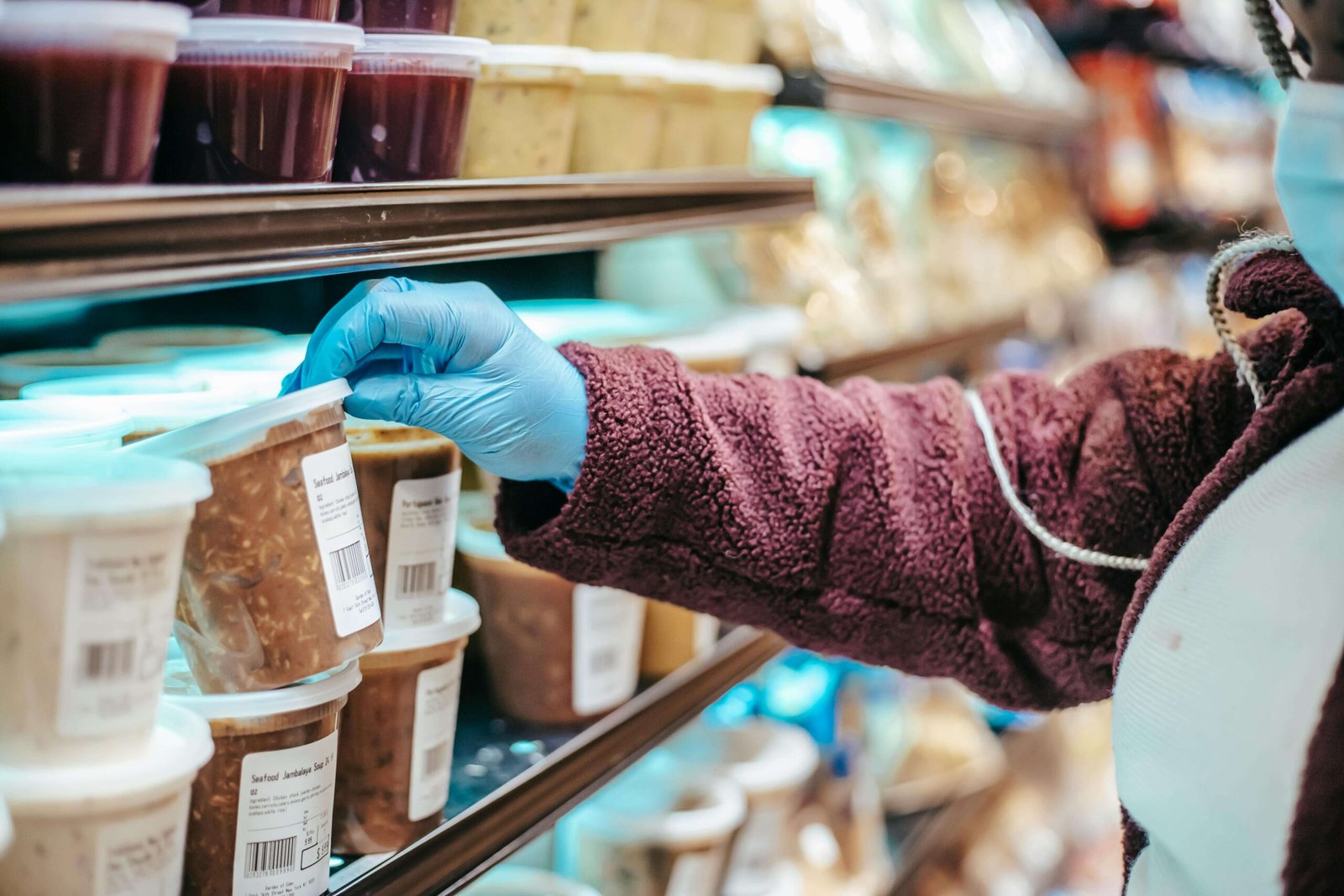
- Cold Chain Investment: The Turkish Cold Chain Logistics Market is valued at 2.08 billion dollars in 2025 and is growing rapidly (Internal Link: Fresh Produce: Tomato & Citrus Exports Face Climate Risk). This infrastructure, backed by government incentives, ensures that perishable goods are safely handled, minimizing loss and maximizing product shelf-life.
- Speed and Quality: The Nearshoring advantage allows Turkish Suppliers to deliver goods to Europe faster than rivals in Asia. This speed is crucial for Frozen Vegetables and Pastries, where quality preservation is paramount.
- FDI in Infrastructure: Investment is flowing into modern, energy-efficient cold storage and refrigerated transport, often utilizing IoT and blockchain technology for enhanced traceability and compliance with strict food safety standards.
Investment and Economy Drivers
The frozen food sector is ripe for Foreign Direct Investment (FDI), offering opportunities in three key areas:
- Value-Added Processing: FDI is targeted at improving fruit and vegetable freezing Manufacturing, and developing niche, high-margin products like vegan alternatives, organic frozen fruits, and health-conscious frozen bakery lines (Internal Link: Food FDI: Premier Processing Plants).
- Agri-Tech Integration: The sector benefits from direct Sourcing from Turkish agriculture, particularly from high-tech Greenhouses, which helps stabilize supply amidst climate volatility.
- Global Trade: The push to globalize Turkish cuisine through Frozen Products is seen as a key strategy to boost the national Economy. WorldFood Istanbul 2025 is actively connecting Turkish Suppliers with VIP buyers from the EU, MENA, and CIS countries.
Next Steps for Global Food Distributors
For international food retailers and the food service industry, Turkey / Türkiye offers a high-quality, efficient Nearshoring base for a diverse portfolio of Frozen Vegetables, Fruits, and Bakery Products.
For assistance with strategic Sourcing and Manufacturing partnerships in the Frozen Food sector, or to evaluate Investment opportunities in Turkey’s specialized cold chain Logistics, contact the experts at Burc Consulting.