



























Turkey is strategically accelerating its energy transition, leveraging its high solar irradiation potential and strong wind corridors to become a major regional player in renewable energy generation. Driven by global climate commitments, escalating corporate demand for clean energy, and significant government policy support, the country is witnessing an unprecedented surge in Foreign Direct Investment (FDI) into the Green Tech sector. This focus is not limited to utility-scale projects; it extends to sustainable industrial solutions, smart grid technology, and pioneering efforts in green hydrogen. For international investors and manufacturers, Turkey’s Green Tech sector offers robust, long-term returns and a reliable pathway to achieving corporate decarbonization goals.
I. The Solar and Wind Powerhouse
Turkey’s geographical and climatic advantages make it ideally suited for large-scale renewable energy production, attracting major global energy firms.
A. Record-Breaking Solar Capacity
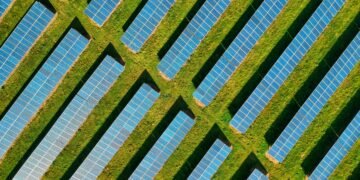
Turkey consistently ranks among the top European nations for new solar capacity additions. Government tenders and licensing programs are opening vast tracts of land, particularly in the Central and Southeastern regions, for utility-scale Solar Photovoltaic (PV) projects. The domestic manufacturing base for solar panels and components further reduces import reliance and project lead times, a significant de-risking factor for investors.
B. Wind Energy Resilience
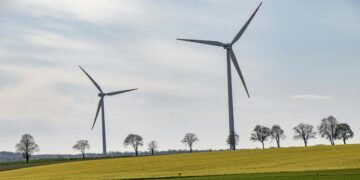
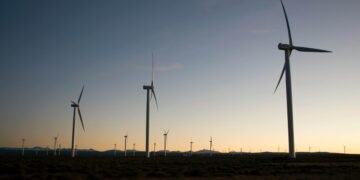
The coastal and high-altitude regions maintain strong, consistent wind speeds. Investment in wind farms, both onshore and offshore (though offshore is in earlier planning stages), continues to be robust, driven by the need for continuous, stable electricity generation that complements solar production.
C. Incentivized Investment Framework
The YEKDEM (Renewable Energy Support Mechanism) provides long-term power purchase guarantees, offering financial predictability that is highly attractive to international project finance and equity investors. The incentive structure favors projects that utilize locally manufactured components, fostering a self-sustaining ecosystem.
II. Pioneering the Green Hydrogen Economy
Turkey has identified green hydrogen—produced via electrolysis powered by renewable energy—as a critical component of its long-term energy strategy, aiming to decarbonize hard-to-abate sectors like heavy industry and transportation.
A. Strategic Pilot Projects
Major industrial conglomerates, often in partnership with European technology firms, are launching pilot projects focused on establishing hydrogen production facilities near large industrial zones and ports. These projects aim to demonstrate the feasibility of using green hydrogen in steel production and for bunkering maritime vessels.
B. Global Partnerships and Technology Transfer
The focus on green hydrogen is actively attracting FDI in specialized electrolysis technology and hydrogen storage solutions. International firms are finding Turkey an ideal testbed for new sustainable technologies due to its large, captive industrial demand and its strategic proximity to potential hydrogen export corridors to Europe.
III. Sustainable Solutions in the Industrial Sector
The Green Tech revolution in Turkey extends beyond pure energy generation into the manufacturing sector itself, driving demand for eco-solutions.
A. Water and Waste Management Technologies
With increasing environmental scrutiny, there is a high demand for advanced water treatment and recycling technologies within the textile and chemicals sectors. Turkish start-ups and manufacturers are innovating in industrial wastewater management, creating opportunities for specialized technology investment.
B. Carbon Capture and Energy Efficiency
Industrial clusters are implementing large-scale energy efficiency projects, often subsidized by international climate funds and local development banks. This includes smart building management systems, waste-heat recovery installations, and early-stage carbon capture utilization and storage (CCUS) feasibility studies, particularly in cement and fertilizer production.
IV. Investment Implications and Access to Climate Finance
For foreign investors, the Turkish Green Tech sector offers a combination of high growth and strong alignment with global ESG funding trends.
A. Access to Climate Finance
Projects in Turkish renewables and sustainable infrastructure are highly attractive to Development Finance Institutions (DFIs) and global climate funds, often securing financing at more favorable rates than conventional projects. This co-financing de-risks private sector investment.
B. Corporate PPA Market
The growing trend of Corporate Power Purchase Agreements (PPAs) allows multinational corporations to contract directly with Turkish renewable energy producers. This ensures long-term price stability for energy costs and allows firms investing in Turkish manufacturing to guarantee that their production runs on certified clean energy, meeting their global “Scope 2” emission targets.
Conclusion: A Sustainable and Profitable Future
Turkey’s commitment to renewable energy and sustainable industrial practices is creating one of the most compelling Green Tech investment narratives in the region. The combination of resource abundance, supportive policy, a competitive manufacturing base for components, and high industrial demand makes Turkey an essential market for global investors committed to climate action and profitable growth.