























ISTANBUL – A new strategic chapter has officially begun between Turkey and Kuwait, marked by the signing of four comprehensive agreements during a high-level visit by Turkish President Recep Tayyip Erdoğan to the Gulf region. In the presence of President Erdoğan and Kuwaiti Emir Sheikh Meshal Al-Ahmad Al-Jaber Al-Sabah, the nations formalized cooperation across crucial areas: transportation, maritime affairs, energy, and investment. This move signifies Turkey’s heightened appeal as a stable, strategic investment destination for Gulf capital.
Anchoring Future Direct Investment (FDI)
The centerpiece of the collaboration is a groundbreaking Memorandum of Understanding (MoU) on International Direct Investment Cooperation. This agreement was signed by A. Burak Dağlıoğlu, President of the Turkish Presidency Investment Office, and Sheikh Dr. Meshal Jaber Al-Ahmad Al-Sabah, Director General of the Kuwait Direct Investment Promotion Authority (KDIPA).
This MoU aims to fortify investment relations and establish extensive cooperation between the two nations’ key investment authorities. It is expected to unlock large-scale, high-impact investment opportunities in both markets. The core goals include:
- Boosting Investor Confidence: Establishing a more dynamic and transparent investment environment.
- Joint Initiatives: Facilitating mutual investment promotion activities, including roadshows and investor forums.
- Information Exchange: Ensuring relevant investment authorities share crucial market data and insights.
A Strategic Shift from Traditional Sectors
Kuwait’s existing investments in Turkey already exceed $2 billion USD, traditionally concentrated heavily in the financial and real estate sectors. Currently, 427 Kuwaiti companies operate within Turkey, with bilateral trade reaching approximately $700 million USD in 2024.
The new agreements are designed to steer future Kuwaiti capital towards more strategic, high-value-added sectors critical for Turkey’s economic resilience. These high-priority areas are now backed by state-level cooperation, significantly reducing risk for major investors.
Securing Connectivity and Energy Efficiency
Further memoranda were signed between:
- The Turkish Ministry of Transport and Infrastructure and the Kuwaiti Ministry of Interior, focusing on enhancing transportation links and maritime cooperation.
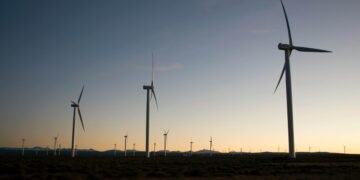
- The Turkish Ministry of Energy and Natural Resources and the Kuwaiti Ministry of Electricity, Water, and Renewable Energy, aiming to boost energy efficiency and foster potential collaboration in renewable energyprojects.
These protocols establish the legal and structural framework necessary for long-term investments in critical Turkish infrastructure and energy security projects.
Navigating the Strategic Investment Landscape
For Kuwaiti firms or international entities seeking to partner with Kuwaiti capital in Turkey, understanding the strategic priorities set by these MoUs is crucial. The investment landscape is moving beyond simple asset acquisition toward complex, long-term infrastructure and industrial projects.
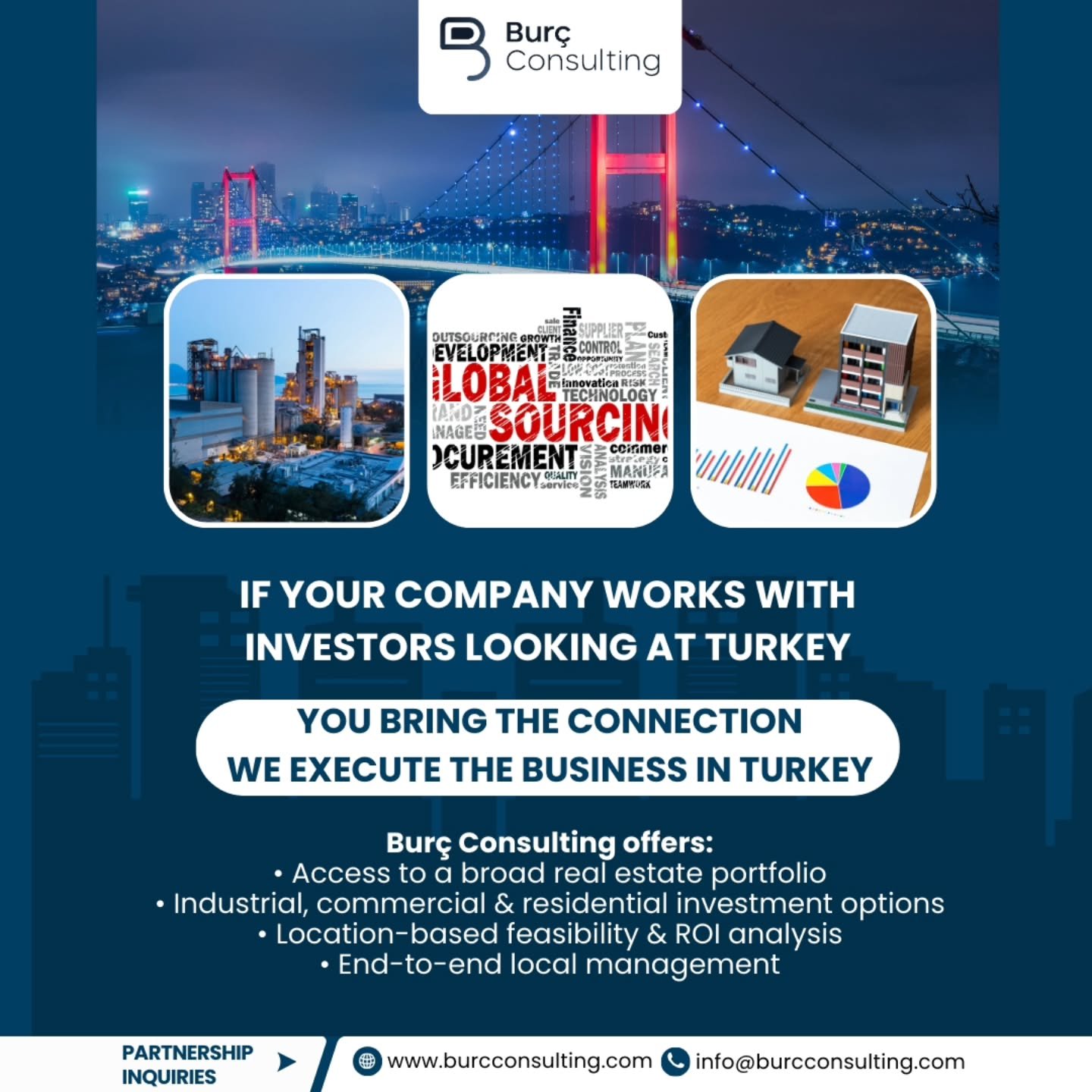
Ali Burç, Managing Partner at Burç Consulting, advises that this shift requires specialized market entry strategy: “The formal commitment between KDIPA and the Turkish Investment Office signals a pipeline of highly strategic projects that will receive priority treatment. Any foreign investor, regardless of origin, planning a significant investment in Turkish logistics, energy infrastructure, or high-tech manufacturing, should position themselves to leverage these bilateral agreements. Burç Consulting specializes in aligning investment proposals with the strategic priorities outlined in these new protocols, ensuring smooth navigation through the regulatory environment and facilitating high-level partnerships with both Kuwaiti and Turkish institutional capital.”
Paving the Way for Expanded Economic Partnership
The four strategic agreements are expected to significantly amplify the economic partnership between Turkey and Kuwait, driving the volume of trade and expanding investment opportunities into strategic, high-growth sectors. This formal alignment underscores Turkey’s growing role as a secure and strategic hub for Gulf investment aimed at accessing European and global markets.