





























Turkey’s geopolitical position—straddling Europe and Asia—has always granted it commercial significance. However, recent, massive government and private sector investments in intermodal transport infrastructure are transforming this geographic advantage into a robust, high-capacity logistics hub for the entire EMEA region. Focused on expanding port capacity, modernizing rail networks, and integrating cold chain technologies, Turkey is positioning itself as the most reliable, cost-effective, and fastest transit route linking Eastern manufacturing bases to Western consumption markets. This infrastructure development minimizes supply chain risks for international businesses sourcing from or through Turkey, offering a critical competitive edge.
I. The Deepening of Port Capacity and Efficiency
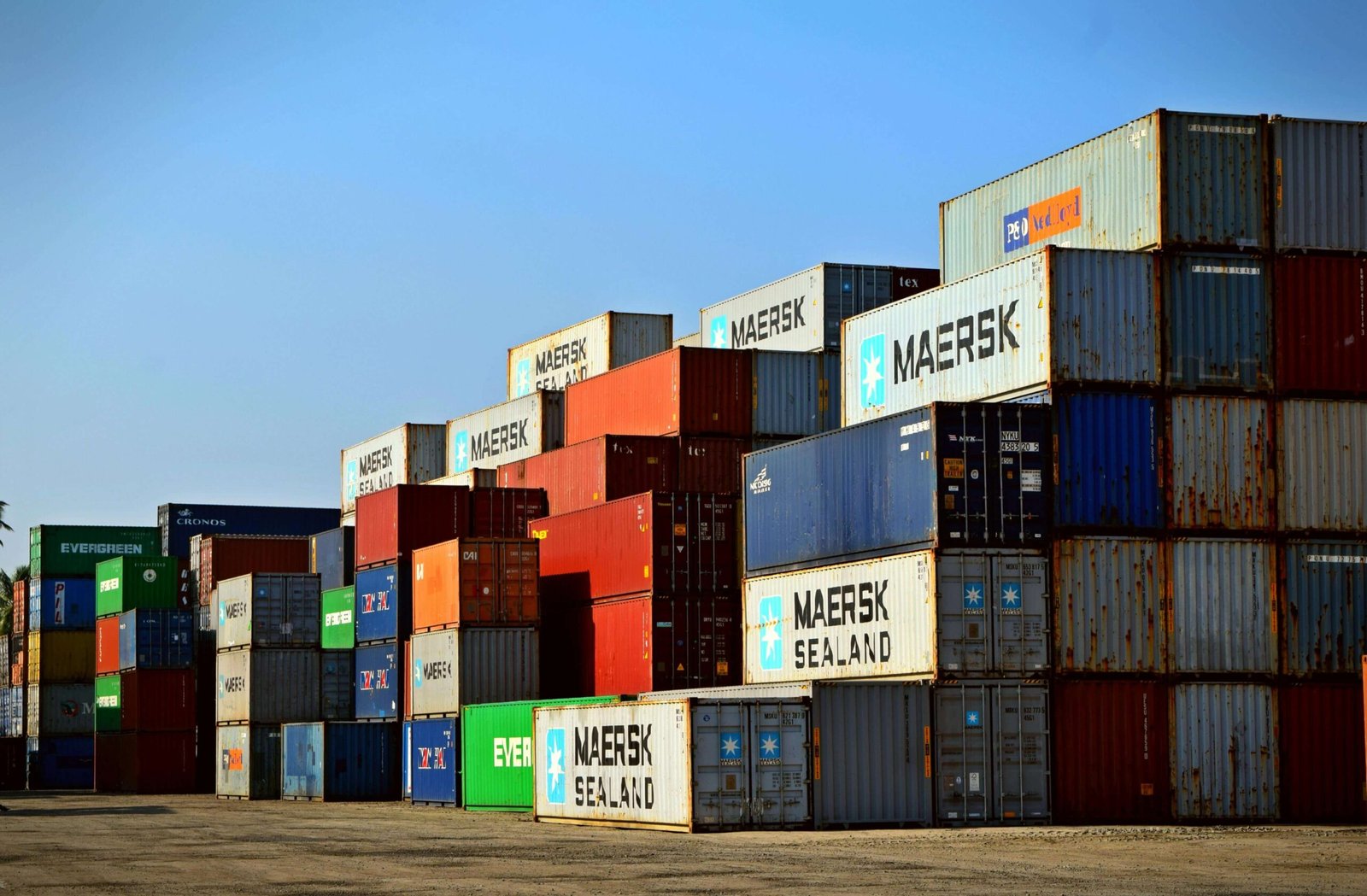
The maritime sector remains the backbone of Turkey’s logistics network. Significant capital expenditure is addressing historical capacity constraints and increasing operational efficiency across major commercial ports.
A. Key Ports and Expansion Projects
Mersin International Port (MIP): Located on the Mediterranean, MIP has finalized a substantial expansion phase, increasing container handling capacity by over 25%. This port serves as a vital gateway for trade with the Middle East and Central Asia.
Ambarlı Port (Istanbul): Continues to be the largest port complex in the Marmara region, benefiting from automation and digital integration that reduces average vessel dwell times, crucial for time-sensitive cargo entering European markets.
Izmir (Aliağa): This port complex is growing rapidly, focusing on specialized cargo, including chemicals, automotive parts, and refined products, supporting the industrial output of the Aegean region.
B. Digitalization and Smart Ports
Turkish port operators are adopting advanced Port Community Systems (PCS) and IoT (Internet of Things) technology to streamline customs procedures, truck appointment systems, and yard management. This digitalization significantly accelerates cargo processing, contributing directly to faster transit times for international shippers.
II. The Revival and Modernization of Rail Freight
The most transformative development is the strategic overhaul and expansion of the national rail network, emphasizing intermodal connectivity.
A. The Baku-Tbilisi-Kars (BTK) Rail Line
The BTK line is a linchpin in the “Middle Corridor” initiative, effectively connecting Turkey’s rail network directly to Central Asia and China. This route offers a highly competitive alternative to the traditional northern silk road routes, providing a faster and more politically stable option for East-West freight movement. The capacity utilization of this line is continually growing, underscoring its emerging role in global trade flows.
B. Intermodal Terminals and Inland Connectivity
New, strategically located intermodal terminals are being established near major Organized Industrial Zones (OIZs) across the country (e.g., in Kocaeli, Kayseri, and Gaziantep). These terminals ensure that manufacturers can transition seamlessly from rail to road transport for the final mile, optimizing domestic and international logistics flows. This focus on “factory-to-port” efficiency reduces reliance on over-the-road trucking, lowering costs and carbon emissions.
III. Specialized Logistics: Cold Chain and High-Value Goods
To support the rapid growth in perishable agricultural products and high-tech components, Turkey is making specialized investments in cold chain and secure warehousing.
A. Cold Chain Expertise
The export success of Turkish food and pharmaceutical sectors is reliant on sophisticated cold chain logistics. Investment is being channeled into temperature-controlled warehousing adjacent to key ports and airports, ensuring minimal temperature variation for sensitive cargo throughout the transit process. Turkish logistics providers are recognized for their expertise in managing these complex, regulated shipments.
B. Security and Traceability
For high-value industrial goods and electronics, logistics firms offer enhanced security features, including GPS-enabled tracking, sealed containers, and specialized secure warehousing, providing foreign buyers with full transparency and risk mitigation against theft or tampering.
IV. Policy Support and Cross-Border Facilitation
Government policy is actively working to reduce non-physical trade barriers, making cross-border transactions faster and less complex.
A. Simplified Customs Procedures
Recent governmental reforms have focused on simplifying customs declaration processes and harmonizing standards with EU regulations. The adoption of electronic systems for pre-declaration and risk analysis accelerates the passage of goods through borders, a key advantage for companies operating under tight deadlines.
B. Logistics as an Investment Priority
The logistics sector itself is deemed a strategic investment area, attracting FDI through targeted incentives for building specialized warehouses, developing logistics technology platforms, and purchasing high-capacity rolling stock and specialized port equipment.
Conclusion: A Stable and Scalable Supply Chain Partner
Turkey’s comprehensive, multi-billion dollar investment in its ports, rail, and digital infrastructure solidifies its position as the premier logistics and shipping hub for the EMEA region. For international businesses, this modernized network translates directly into reduced lead times, lower transport costs, and greater reliability—all critical factors for a resilient global supply chain. Leveraging this infrastructure effectively requires a logistics partner with deep local and international network knowledge.