






























Turkey’s furniture and home goods industry is undergoing a significant transformation, moving aggressively up the value chain. No longer solely focused on mass-market production, the sector is now emphasizing contemporary design, modular flexibility, and rapid logistics, positioning itself as a premium sourcing hub for European and North American retailers. This strategic shift is aimed at capitalizing on the global demand for durable, mid-to-high-end furniture and décor. Industry projections, supported by government export incentives, reveal an ambitious target: reaching $10 billion in annual exports within the next three years. International buyers are increasingly recognizing Turkey’s ability to offer customization and speed—critical factors often lacking in distant supply markets.
I. The Core Pillars of Turkish Manufacturing Advantage
The sector’s resilience and growth are built upon a distinct set of operational advantages that resonate strongly with global B2B buyers.
A. Design Agility and Customization
Turkish manufacturers excel at combining tradition with modern aesthetics. Unlike large factories in the Far East that demand enormous minimum order quantities (MOQs) for highly standardized designs, Turkish workshops and medium-sized enterprises offer remarkable flexibility. They are proficient in executing OEM (Original Equipment Manufacturer) and ODM (Original Design Manufacturer) contracts, allowing retailers to quickly adapt to market trends with bespoke collections and shorter product cycles. This agility significantly reduces inventory risk for importers.
B. Vertical Integration and Raw Material Access
A substantial portion of the Turkish furniture industry benefits from deep vertical integration. Local access to high-quality timber (especially beech and oak), textiles, metals, and composite materials (MDF, particleboard) ensures better control over the supply chain and cost. This integration minimizes reliance on fluctuating international raw material markets, providing a more stable cost structure for long-term sourcing agreements.
C. Quality Craftsmanship Meets Modern Automation
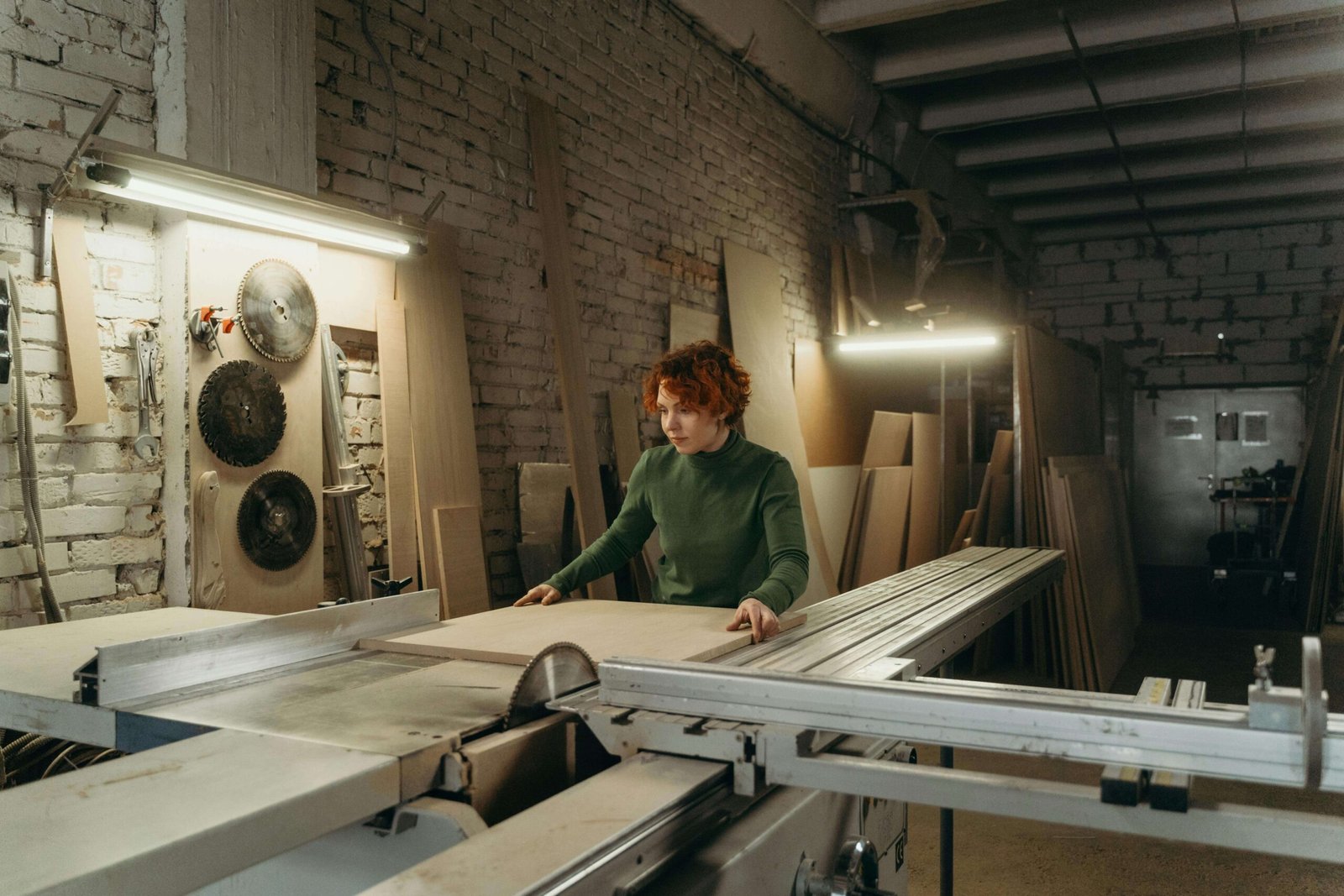
Turkish furniture production blends skilled craftsmanship—especially in intricate upholstery, wood carving, and joinery—with modern CNC machinery and automation. This hybrid approach ensures consistently high quality, meeting the exacting standards of discerning European and American consumers for both durability and finish.
II. Strategic Market Focus and Logistics Superiority
The industry’s export success is directly linked to its geographic proximity and superior logistical infrastructure serving key markets.
A. Nearness to Europe: The Logistics Edge
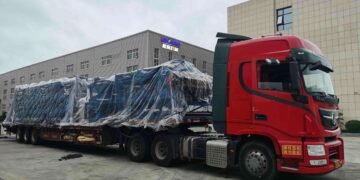
The primary market for Turkish furniture remains Europe, where the demand for near-shoring is highest. Shipments can reach major European ports (e.g., Rotterdam, Hamburg) within 5 to 10 days. This dramatic reduction in transit time—compared to weeks from Asia—is critical for retailers managing just-in-time inventory and responding to seasonal peaks. Furthermore, the reliable, shorter shipping lanes reduce the risk of logistical bottlenecks and delays.
B. Diversification in Emerging Markets
Beyond Europe, Turkish furniture is successfully penetrating new high-growth markets, particularly in the Middle East and North Africa, where the quality-to-price ratio is highly competitive. This market diversification provides stability to the sector, insulating it from potential economic downturns in any single market region.
III. Sustainability and Compliance Imperatives
Global procurement standards now heavily mandate sustainability and ethical compliance, areas where Turkish manufacturers are increasingly focused.
A. Formal Certification and Ethical Sourcing
Leading Turkish furniture exporters are proactively obtaining international environmental and quality certifications, including FSC (Forest Stewardship Council) certification for wood sourcing and ISO standards for quality management. Compliance with European REACH regulations for chemicals and materials is also a high priority, reassuring foreign buyers about product safety and environmental stewardship.
B. Focus on Sustainable Materials
There is a growing trend towards incorporating recycled materials, sustainable composites, and eco-friendly finishes, particularly in the rapidly growing modular and flat-pack furniture segment, which is popular with large retail chains.
IV. Investment Opportunities in Industrial Real Estate
The sustained export growth fuels investment demand, not just in finished products but in the underlying manufacturing capacity. Foreign investors are increasingly targeting the sector through strategic partnerships and direct real estate investment.
A. Specialized Industrial Zones
Key manufacturing hubs like İnegöl (Bursa), Kayseri, and Ankara are home to specialized industrial zones dedicated to furniture production. These clusters offer economies of scale, access to a skilled, specialized workforce, and government incentives, making them ideal locations for foreign companies seeking to establish their own production facilities or joint ventures.
B. Export Facilitation Centers
The government, in collaboration with industry associations, has established export facilitation centers focused on international marketing and trade fair participation, further assisting foreign buyers in connecting with vetted, export-ready suppliers.
Conclusion: A Reliable Partner for the Global Home Market
Turkey’s furniture sector has effectively navigated the shift from being a low-cost option to a reliable source of high-quality, design-conscious, and compliant home goods. For international retailers and bulk buyers, the strategic advantages of speed, customization, and quality control make Turkish suppliers indispensable partners in maintaining a responsive and profitable global inventory. Securing the best partnerships requires focused market intelligence and localized negotiation expertise.