






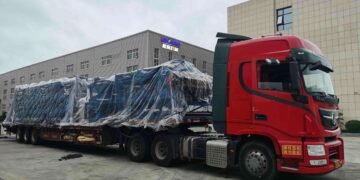























Turkey’s industrial goods sector—encompassing machinery, metalworking, raw materials, and specialized packaging—is functioning as an increasingly indispensable manufacturing backbone for European and global industries. Driven by robust engineering capabilities and a strategic focus on flexible, high-quality production, Turkish manufacturers are filling critical gaps created by persistent supply chain disruptions elsewhere. International procurement officers are recognizing that sourcing industrial components from Turkey offers a powerful combination of European quality standards and the speed-to-market advantage of near-shoring. Recent data from the Turkish Exporters Assembly (TİM) confirms this momentum, highlighting double-digit growth in machinery and metal product exports over the past year.
I. Machinery and Capital Goods: High-Value Manufacturing
The Turkish machinery sector is a global success story, moving away from simple assembly to the production of complex, high-technology capital goods.
A. Specialization in Key Sub-Sectors
CNC and Metalworking: Turkish firms are highly competitive in the production of Computer Numerical Control (CNC) machinery, forging presses, and specialized metal fabrication equipment. These machines are integral to the European automotive and aerospace supply chains.
Textile and Food Processing Machinery: Leveraging domestic expertise in textiles and agriculture, Turkey is a world leader in producing advanced machinery for spinning, weaving, and food processing (e.g., grain sorting, bottling lines).
Custom Engineering: A key differentiator is the ability of Turkish engineers to provide bespoke, custom-designed machinery solutions that meet the precise technical specifications of foreign buyers, a service often difficult to secure quickly from competitors.
B. Quality Certification and Standardization
Turkish machinery manufacturers routinely hold international quality certifications (e.g., CE Mark, ISO 9001), ensuring full compliance with EU safety, health, and environmental standards. This compliance significantly de-risks the procurement process for international end-users.
II. Critical Raw Materials and Metal Production
Turkey’s steel, aluminum, and non-ferrous metal industries are essential suppliers to global manufacturing bases, offering a reliable alternative to distant Asian sources.
A. Iron and Steel Resilience
The Turkish steel industry, a major global producer, has proven resilient against market volatility. Its proximity to European infrastructure projects allows for shorter lead times for structural steel and specific alloys, reducing construction and manufacturing timelines for key projects across the continent.
B. Aluminum and Copper Components
Demand for Turkish-sourced aluminum extrusion and copper wire products is surging, driven by the global transition to electric vehicles (EVs) and renewable energy infrastructure. Turkish producers are rapidly expanding capacity to meet the need for high-conductivity, light-weight components.
C. Supply Chain Integration
For buyers of raw materials, Turkish suppliers often offer more flexible contract terms and smaller shipment sizes than large global mining conglomerates, catering effectively to the needs of mid-sized manufacturers seeking to diversify their input sources.
III. Packaging and Logistics Enabling Goods
The growth of Turkey’s e-commerce and fast-moving consumer goods (FMCG) sectors has spurred massive investment in the high-tech packaging industry, creating a vital sourcing avenue for international brands.
A. Advanced Flexible Packaging
Turkish companies are leaders in producing complex, multi-layer flexible packaging, sustainable films, and aseptic cartons for the food and beverage industry. Their focus on reducing material usage while maintaining product integrity aligns perfectly with global corporate sustainability goals.
B. Industrial and Bulk Packaging
From IBC containers and specialized drums for chemical transport to heavy-duty corrugated cardboard for machinery exports, Turkish firms provide a full spectrum of robust, certified industrial packaging solutions that meet stringent international shipping regulations.
IV. Investment Opportunities in Industrial Goods
For foreign companies, the opportunity is twofold: sourcing high-quality goods and investing in the production capacity itself to secure long-term supply.
A. Joint Ventures and Technology Transfer
Many Turkish manufacturers are actively seeking joint venture partners who can provide capital, access to new technologies (e.g., advanced automation, specialized tooling), and guaranteed off-take agreements, offering a compelling entry point for foreign investors.
B. Accessing Skilled Labor and R&D Support
Establishing a manufacturing presence in Turkish industrial zones provides privileged access to a skilled labor pool and government support for R&D activities (as detailed in the Policy article), particularly for firms producing high-value components.
Conclusion: Securing the Industrial Supply Line
Turkey’s Industrial Goods sector provides a compelling value proposition: engineering excellence, competitive pricing, compliant quality, and the strategic advantage of fast, reliable logistics. For global industrial buyers, integrating Turkish suppliers into their critical supply chain is a strategic move to de-risk operations and ensure timely delivery in an increasingly uncertain world market. Successfully identifying and vetting specialized, high-capacity partners in this complex sector is paramount.