As escalating tensions and maritime security risks reorder international commodity corridors, the Turkish food and logistics market remains a critical pivot point for regional trade and global food security. According to official announcements, Turkey confirmed that a landmark Ukraine grain export deal was successfully brokered with Russia to mitigate a severe global food crisis, even as a deadly escalation in Black Sea attacks raises immediate fears of soaring agricultural prices worldwide. Positioned at the crossroads of major trade routes connecting Eastern Europe, the Middle East, and the Mediterranean, Turkey continues to demonstrate its role as one of the essential players maintaining logistics continuity, commodity transit, and food distribution across volatile regional markets.
Key Role of the Turkish Food and Logistics Market in Global Trade
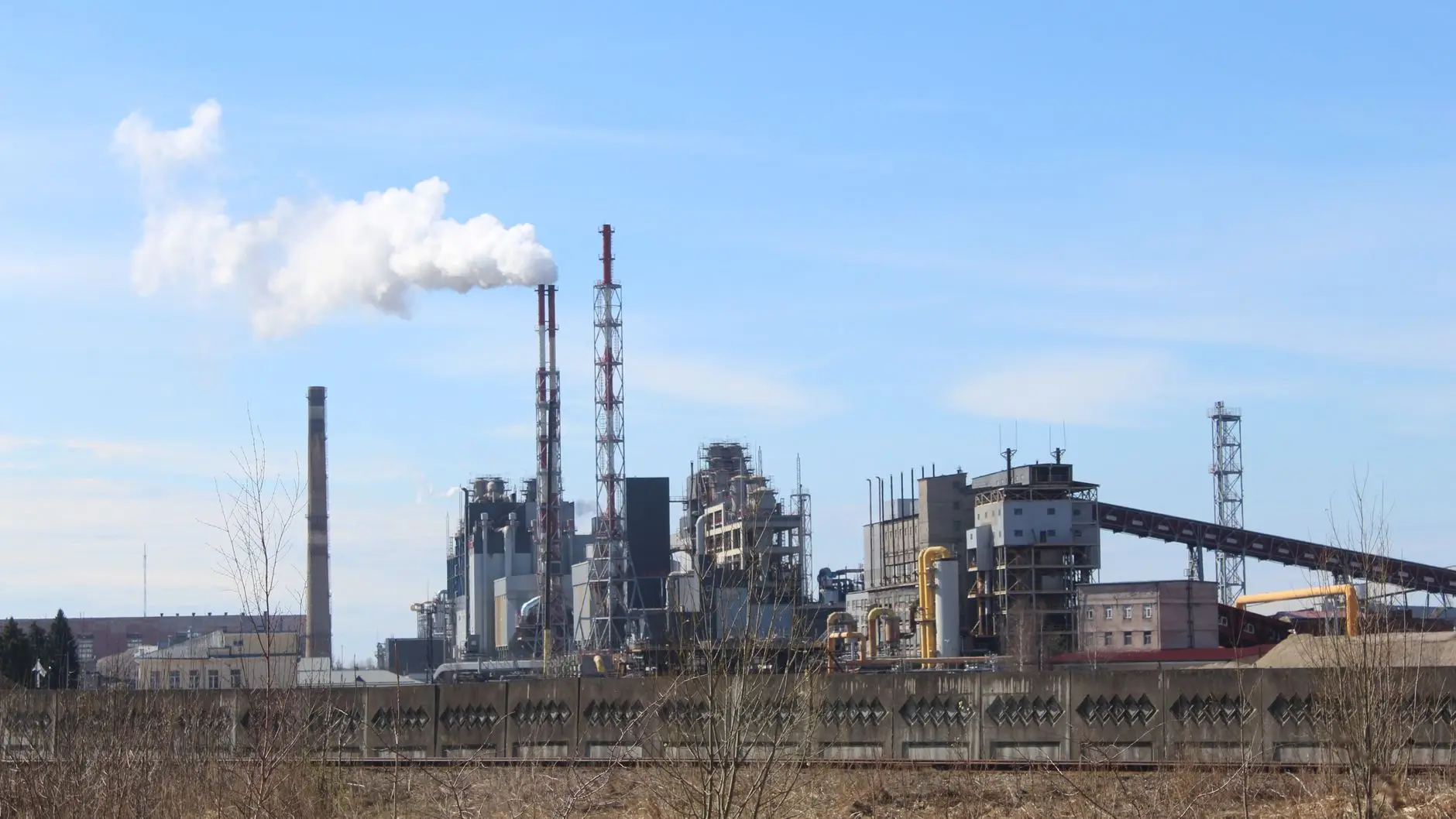
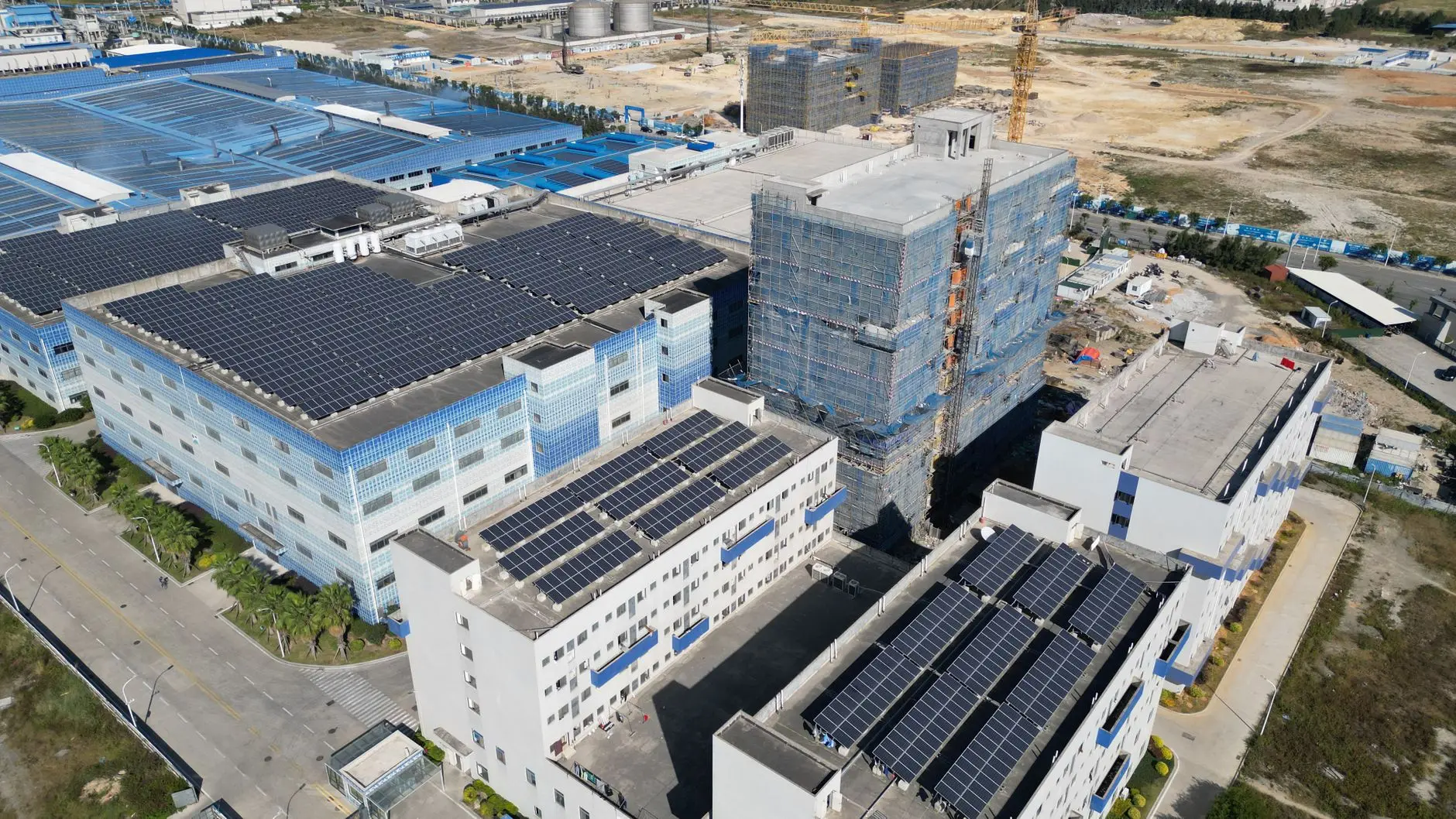
Turkey’s geographical positioning and established commercial channels place it directly at the heart of global agricultural distribution. Operating as both a strategic transit corridor and a primary processing hub, the country links raw agricultural output from the Black Sea basin with major consumer destinations across North Africa, the Middle East, and Europe. This pivotal positioning reinforces why Turkey remains one of the premier players in the global food and logistics market, offering indispensable shipping lanes, grain storage infrastructure, and port facilities capable of handling vast volumes of bulk commodities.
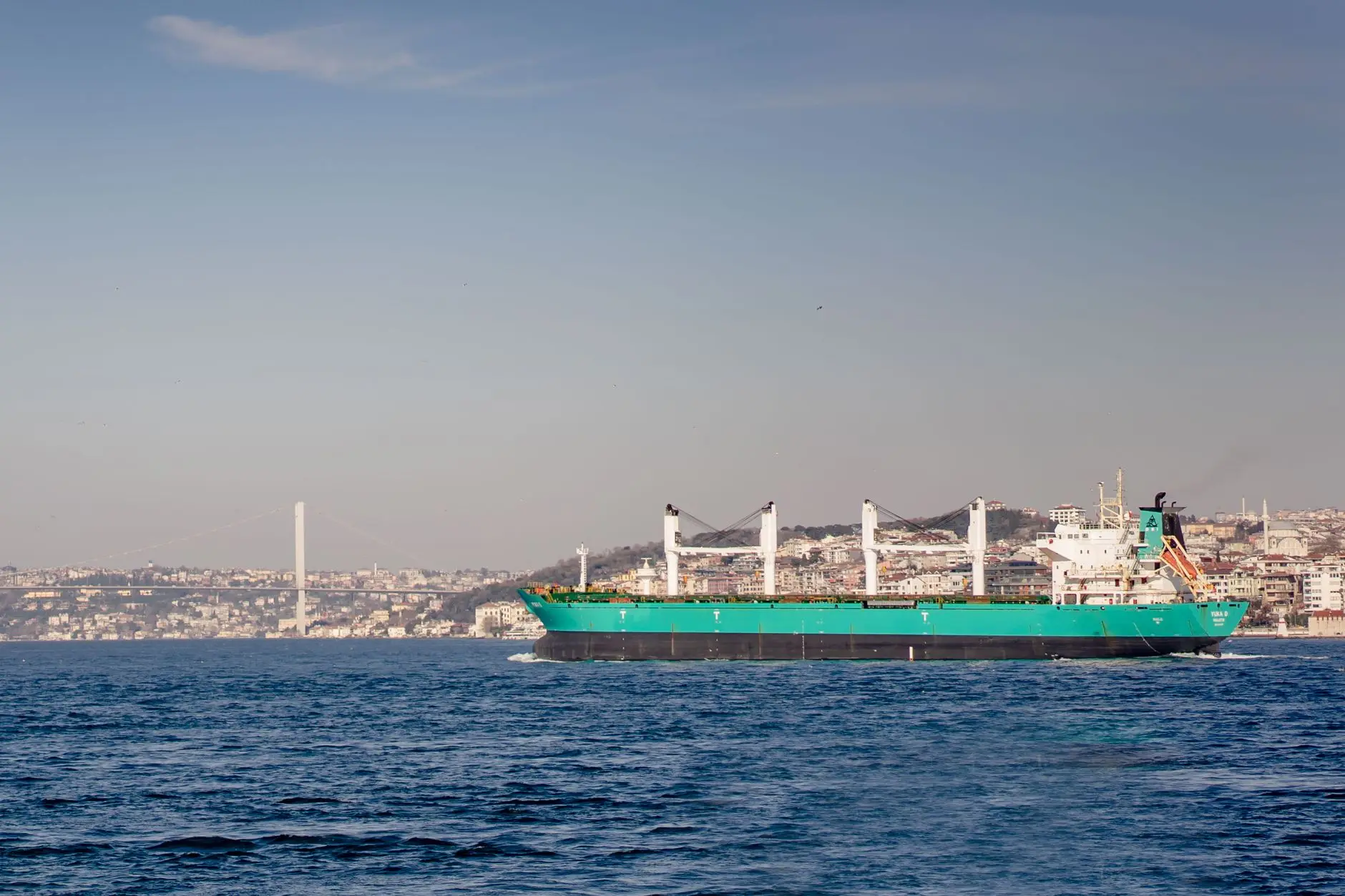
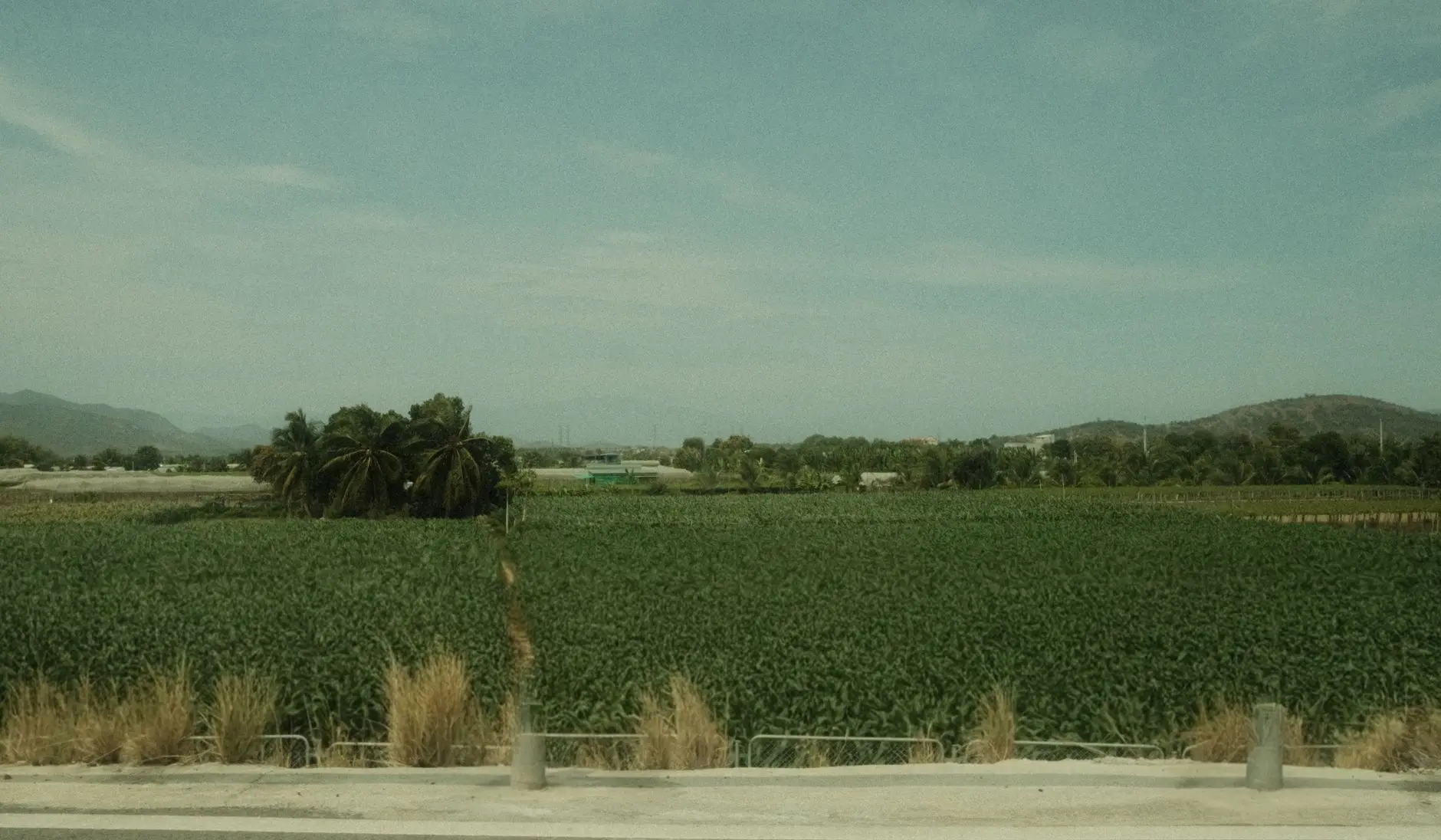
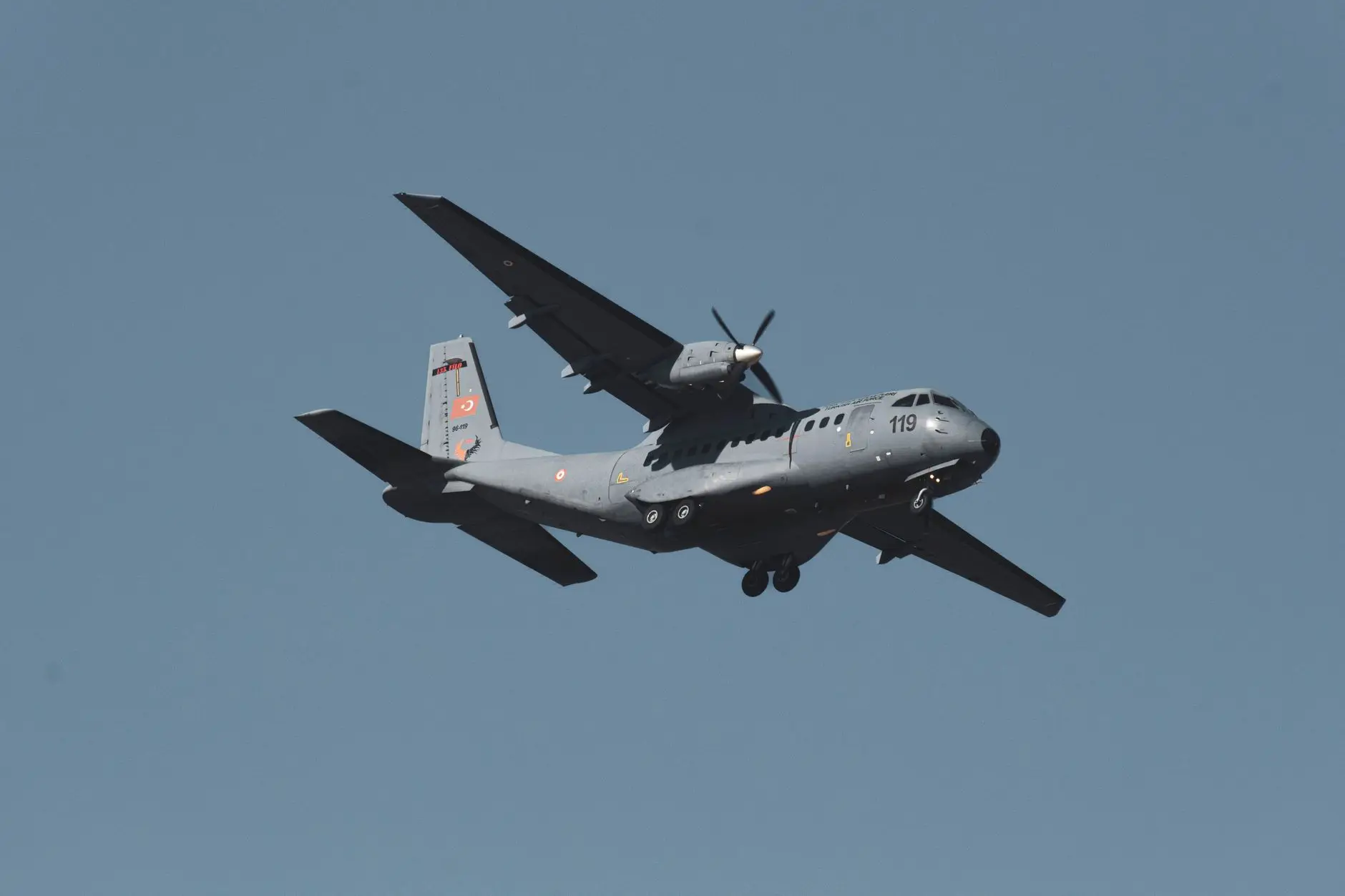
The diplomatic mediation leading to the agreement between Russia and Ukraine regarding grain exports underscores Turkey’s distinct dual capacity as both a logistical artery and a key diplomatic facilitator. When global grain supply chains faced historic disruption, Turkish leadership proved essential in securing transport protocols to move critical wheat, corn, and agricultural foodstuffs out of Black Sea ports. By serving as a neutral logistics corridor backed by naval oversight and trade infrastructure, Turkey helped open a critical conduit designed to alleviate starvation risks and stabilize basic food commodity pricing across vulnerable economies.
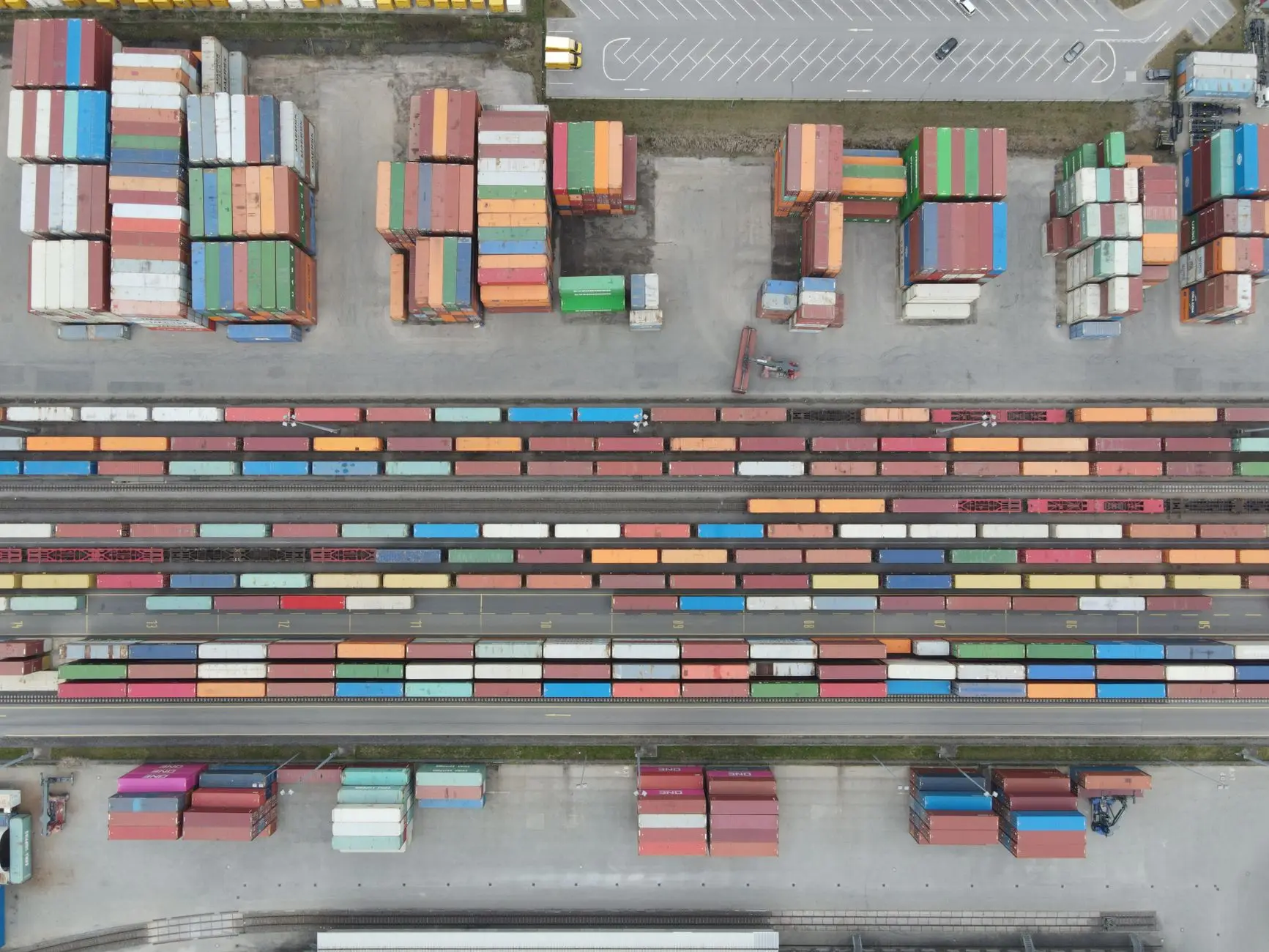
Maintaining operational continuity across these shipping channels requires robust domestic processing capabilities, extensive fleet capacity, and deep regulatory integration with neighboring trading partners. Turkish agribusinesses and logistics providers operate complex multimodal networks that connect maritime ports with rail and highway infrastructure. Consequently, global procurement managers and trading houses increasingly rely on Turkey not merely as a transit passage, but as a stabilizing partner capable of re-routing trade flows, offering cold-storage solutions, and providing secondary processing services during times of international crisis.
Black Sea Security Escalations and Global Food Price Dynamics
The fragile equilibrium established along Black Sea trade routes faces severe stress following a deadly escalation in regional military attacks. Warships, cargo vessels, and port infrastructure throughout the Black Sea basin have increasingly come under direct target, sparking fresh alarm across international commodity markets. Because the Black Sea serves as one of the world’s primary export arteries for basic grain supplies, sunflower oil, and fertilizer, any direct threat to commercial navigation creates immediate upward pressure on international food prices.
Heightened military conflict within commercial transit zones dramatically increases operational costs for global shipping operators. War-risk insurance premiums for cargo vessels navigating Black Sea shipping channels jump sharply following lethal engagements, while freight operators face severe crew safety risks and extended transit delays. In response, international buyers face mounting financial burdens, compounding broad inflationary trends in global agricultural markets. When maritime corridors become hazardous, the cost of securing basic staples rises universally, impacting low-income importing nations most severely.
The compounding impact of security threats in the Black Sea highlights the extreme fragility of global agricultural supply lines. As maritime risks intensify, trading desks are forced to seek alternative route structures or rely more heavily on secured logistics corridors guaranteed by international agreements. The persistent threat of commercial shipping disruptions ensures that food security discussions remain tied to maritime defense protocols, port protection mechanisms, and multilateral diplomatic efforts aimed at keeping vital commercial waterways open.
Evolving Meat Consumption Trends and Regional Commodity Dynamics
Beyond grain corridors and maritime transit, internal consumer dynamics and shifting trade patterns across the Middle East are reshaping food sourcing strategies. A broader market analysis focusing on the Middle East highlights shifting patterns in Turkish meat consumption alongside broader geopolitical disruptions, including ongoing regional conflicts involving Iran. Domestic demand within Turkey reflects changing household purchasing power and evolving nutritional preferences, influencing how red meat, poultry, and alternative protein sources are imported, produced, and distributed within national borders.
Simultaneously, alternative dietary influences and international food culture trends are gaining traction across the region. The growing popular interest in Korean cuisine, commonly referred to as K-Food, illustrates a broader diversification of Middle Eastern consumer palettes. This trend towards culinary diversification presents new opportunities for food importers, specialty processors, and retail distributors seeking to cater to young, urban demographics across Turkey and the wider Middle East. Adapting to these consumer shifts requires agile supply chains capable of sourcing specialized ingredients and maintaining strict cold-chain integrity.
In parallel with shifts in consumer tastes, major regional exporters are adjusting their agricultural production models. Demonstrating this shift, Russia’s turkey meat exports surged by 40 percent to reach a record volume of 40,000 tonnes. This substantial jump in poultry shipments highlights how agricultural producers within the broader region are expanding export capabilities in specialized meat sectors to meet rising international demand. For Turkish food distributors and regional buyers, these growing trade volumes from neighboring markets provide alternative supply options, reinforcing the dynamic nature of protein trade throughout the Middle East and Eurasia.
Strategic Implications for the Turkish Food and Logistics Market
For international investors, procurement directors, and commodity buyers, navigating the current landscape within the Turkish food and logistics market demands a proactive approach to risk management. The intersection of Black Sea security threats, diplomatic grain deals, and changing consumer demand patterns means that reliance on single-origin supply chains is no longer viable. Businesses sourcing through or operating within Turkey must build flexible supply frameworks that can rapidly adjust to sudden changes in maritime availability or regulatory mandates.
Agribusinesses looking to expand their footprint in the region can leverage Turkey’s established processing and warehousing infrastructure to buffer against global price volatility. Turkish milling, refining, and packaging facilities allow raw agricultural products to be value-added domestically before export to destination markets. By utilizing Turkish logistics parks and free trade zones, international buyers can reduce lead times, optimize shipping schedules, and hedge against localized port disruptions in origin countries across the Black Sea.
Furthermore, commercial players must keep a close watch on regional geopolitical developments and trade policy changes. Ongoing conflict dynamics involving key regional neighbors like Iran require constant assessment of trade restrictions, currency fluctuations, and cross-border transport channels. Sourcing executives who maintain diversified supplier portfolios and establish strong partnerships with Turkish logistics providers will be best positioned to maintain supply continuity while managing input costs in an inherently volatile global environment.
Practical Considerations for Managing Food Supply Chains
Mitigating Maritime and Transit Security Risks
Navigating commercial shipping through high-risk Black Sea routes requires rigorous risk assessment protocols. Procurement teams must account for fluctuating insurance surcharges, port congestion, and potential vessel re-routing. Partnering with established Turkish shipping agencies and logistics firms offers buyers direct access to real-time maritime intelligence and alternative transport corridors when traditional shipping lanes face security blockades.
Capitalizing on Value-Added Food Processing Capabilities
Turkey’s well-developed food processing sector offers significant strategic value for global agricultural buyers. Rather than relying solely on raw commodity shipments, international trading entities can utilize Turkish facilities for grain milling, oilseed crushing, and consumer packaging. This processing capacity helps stabilize product quality, meets stringent regional import standards, and allows for flexible distribution across European and Middle Eastern markets.
Adapting Sourcing Strategies to Diversifying Consumer Trends
With shifts in Turkish meat consumption and the rising regional popularity of niche food segments like K-Food, food manufacturers and retailers must align their product portfolios with evolving consumer tastes. Importers and investors should focus on flexible supply contracts, expanded cold-chain logistics, and multi-category protein sourcing—including domestic and imported poultry products—to capture market share across dynamic Middle Eastern consumer bases.
Outlook for Regional Food Security and Logistics Stability
Looking ahead, Turkey’s position within global agricultural commerce will remain closely linked to its ability to facilitate safe passage for essential food commodities while maintaining resilient trade infrastructure. As Black Sea security concerns persist, the success of formal export mechanisms like the Ukraine grain export deal will serve as a critical benchmark for international trade stability. The long-term stability of global food prices hinges heavily on keeping these vital trade channels operational despite ongoing geopolitical conflicts.
Concurrently, regional market growth in specialized food sectors and protein trade—as evidenced by Russia’s record 40,000-tonne turkey export benchmark and changing domestic meat consumption habits—indicates that Middle Eastern food systems are becoming increasingly interconnected. Turkish logistics hubs will continue playing a foundational role in integrating these diverse trade flows, offering global investors and agribusinesses a strategic base for expansion, risk mitigation, and food trade management in an uncertain geopolitical climate.
Frequently Asked Questions
What makes Turkey a key player in the global food and logistics market?
Turkey acts as a pivotal transit hub and processing center connecting Black Sea agricultural producers with markets across the Middle East, Europe, and North Africa. Its advanced port infrastructure, cold-chain capacity, and strategic geographical location enable effective commodity distribution even during global supply disruptions.
How does the Ukraine grain export deal influence global food prices?
Brokered with Russia through Turkish mediation, the Ukraine grain export deal established secured shipping corridors to transport essential grains out of Black Sea ports. By restoring supply flow to international markets, the agreement helped relieve severe global food shortages and stabilized volatile commodity prices.
Why are recent Black Sea attacks causing concern over global food prices?
A deadly escalation in Black Sea attacks threatens commercial cargo vessels and port facilities along essential agricultural trade routes. Increased maritime risks lead to higher war-risk insurance premiums, shipping delays, and reduced transit capacity, which directly drives up the global cost of basic food staples.
What key trends are shaping Turkish meat consumption and regional food demand?
Turkish meat consumption trends are adapting to changing economic conditions and shifting consumer purchasing power. Simultaneously, the region is seeing growing interest in diverse culinary choices such as K-Food, alongside shifting international protein trade flows like rising regional turkey meat shipments.
How significant is Russia’s surge in turkey exports?
Russia’s turkey meat exports jumped 40% to a record 40,000 tonnes, marking a significant milestone in regional poultry trade. This expansion demonstrates growing production capacity in Eurasia and offers regional buyers alternative protein sources amidst broader food trade realignments.
How can international agribusinesses mitigate supply chain risks in the region?
Companies can mitigate risks by utilizing Turkish processing hubs, diversifying transit routes, partnering with local logistics experts, and incorporating security surcharges into procurement planning to navigate Black Sea volatility successfully.
Sources
- Deadly escalation in Black Sea attacks prompts fears of even higher food prices – The Guardian
- Middle East Focus: Turkish meat consumption, Iran conflict and K-Food – FoodNavigator.com
- Russia’s turkey exports jump 40% to record 40,000 tonnes – foodagribusiness.world
- Food crisis: Ukraine grain export deal reached with Russia, says Turkey – BBC
- Turkey remains one of the key players in the global food and logistics market – apk-inform.com
Related Reading
- From Investment to Identity: Navigating the 4-Step Citizenship Process
- Best 5 Turkish Cities for Real Estate for Foreigners
- Strategic Reorganization: How to Execute Tax-Free Mergers in Türkiye
Looking to Source or Invest in Turkey?
Navigating suppliers, regulations and market entry in Turkey can be complex for international businesses. Burç Consulting provides on-the-ground sourcing, investment feasibility and market entry support for companies working with Turkey. Get in touch with our team to discuss your project.