Turkish Furniture Exports: Packaging Rules and Trade Deals
New trade agreements and packaging rules are shaping Turkish furniture exports. Key updates for buyers sourcing furniture from Turkey.
Global trade in the home and furniture sector is experiencing significant shifts driven by new bilateral trade agreements, supply chain adjustments, and heavy industrial infrastructure investments. Türkiye's export drive continues to expand across diverse regions—underscored by the entry into force of the Türkiye-Maldives trade pact and $2.2 billion in exports to Morocco—while packaging leader Mondi replaces traditional wooden crates for furniture shipments to optimize transport operations. Simultaneously, competition in global furniture manufacturing is intensifying, highlighted by plans for a Rs 3,500 crore mega furniture cluster near Gudur in Andhra Pradesh's Nellore district.
Türkiye's Export Momentum and Packaging Modernization
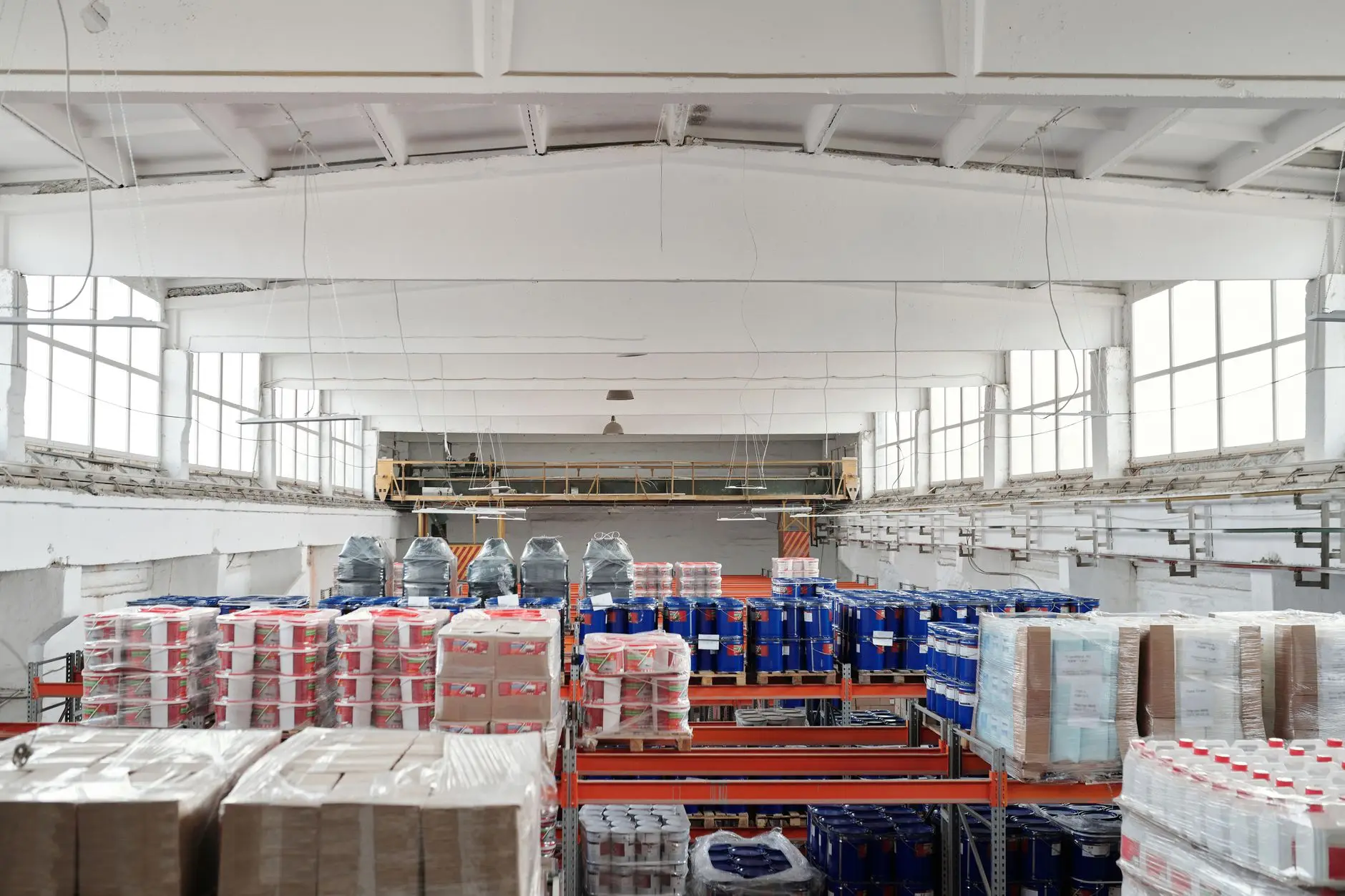
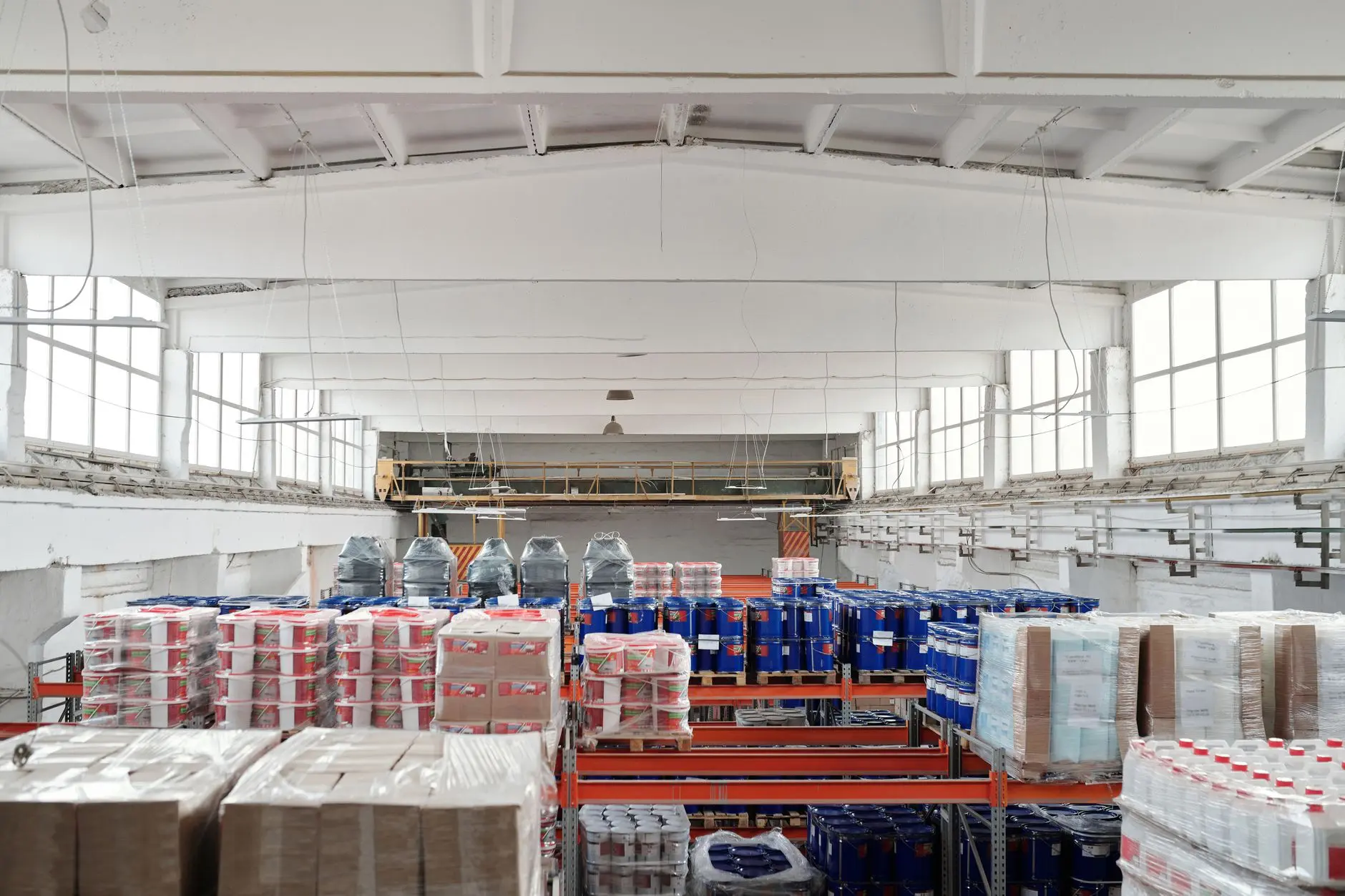
As international demand for manufactured goods grows, logistical efficiency has become a cornerstone of competitive export strategy. A key development in this space is Mondi's strategic effort to replace wooden crates for furniture shipments. Packaging redesigns in furniture freight reflect a broader industry imperative to enhance transport efficiency, lower shipping weights, and streamline handling across international supply chains without compromising structural protection.
For high-volume export sectors, moving away from heavy wooden crates toward alternative corrugated solutions helps reduce transit complexity and optimizes freight space. These packaging upgrades directly support furniture suppliers aiming to handle larger shipping volumes while maintaining cost efficiency during transit across long-distance distribution networks.
This drive for logistical efficiency coincides with sustained momentum in Turkish export activity across key overseas destinations. Manufacturers relying on modern packaging solutions are better positioned to meet strict shipping standards across international destinations, reinforcing Türkiye's reputation as a reliable manufacturing and distribution partner for global buyers.
Guide:OEM vs ODM Manufacturing in Turkey: Full Guide
Strategic Trade Pacts: The Maldives and Morocco Agreements
Bilateral economic diplomacy plays an essential role in opening markets and expanding opportunities for exporters. The trade pact between Türkiye and the Maldives has officially entered into force, establishing a clearer framework for commercial exchange between the two nations. This agreement simplifies regulatory barriers and facilitates structured bilateral trade across commercial sectors, including home goods and manufactured products.
At the same time, commercial ties between Türkiye and North Africa demonstrate substantial volume. Turkish exports to Morocco have reached $2.2 billion, highlighting strong market integration and buyer demand. However, this high volume of trade has also raised discussion in Morocco regarding trade balance parity, leading to growing calls to revise the bilateral trade agreement.
These developments emphasize the dual nature of expanding export markets. While reaching a $2.2 billion export volume demonstrates robust demand for Turkish goods, navigating evolving trade policy and periodic tariff or agreement reviews remains a critical operational consideration for businesses engaged in cross-border trade.
Global Sourcing Competition: India's Gudur Mega Furniture Cluster
While Turkish exporters strengthen their strategic position, major investments in competing global manufacturing hubs are underway. In India, plans have been announced to develop a massive furniture cluster near Gudur, located in the Nellore district of Andhra Pradesh. The project represents a planned investment of Rs 3,500 crore aimed at building a world-class manufacturing center.
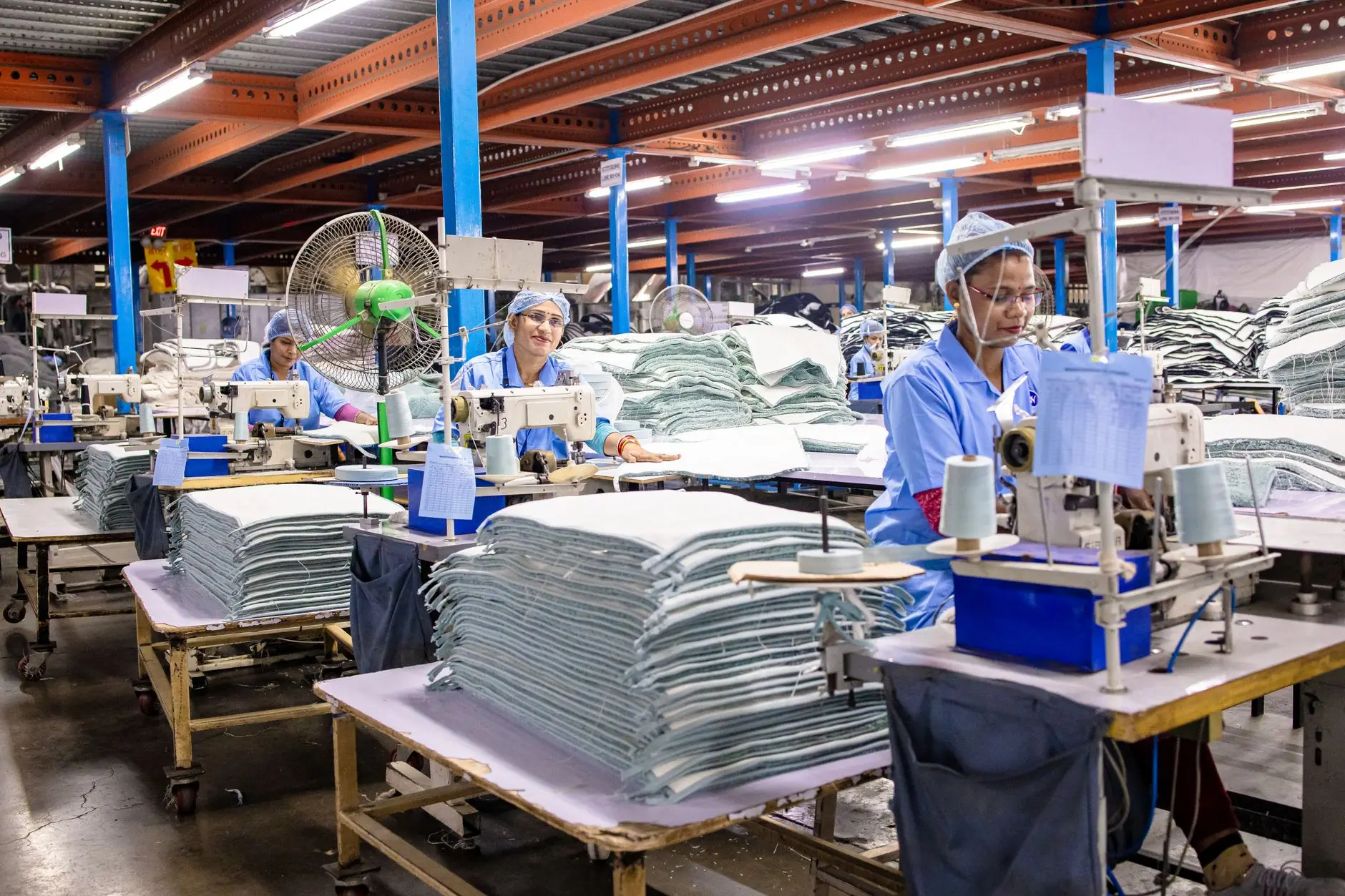
The creation of the Rs 3,500 crore mega furniture manufacturing cluster near Gudur signals a concerted effort to aggregate supply chain capabilities, raw materials, and production infrastructure in a centralized location. For international buyers and sourcing managers, such large-scale developments create integrated production ecosystems capable of competing on scale and cost.
Understanding these international industrial investments allows buyers and investors to evaluate comparative regional advantages. As Andhra Pradesh develops its manufacturing footprint in Nellore district, established exporting nations like Türkiye must continue emphasizing trade agility, logistical innovation, and high-value commercial partnerships.
Critical Considerations for Furniture Sourcing and Logistics
Packaging Optimization and Cargo Protection
Transitioning from traditional wooden crates to modern engineered packaging solutions, as demonstrated by Mondi, provides distinct advantages in handling, storage, and weight management. Furniture shipments benefit from lighter overall freight weights and lower transport costs while ensuring product safety throughout long-distance maritime or overland routes.
Navigating Bilateral Trade Frameworks
Exporters and buyers must actively monitor trade policy adjustments. The implementation of the Türkiye-Maldives trade pact creates new commercial avenues, while discussions surrounding the revision of the Turkish-Moroccan trade agreement illustrate the importance of staying informed about potential regulatory and duty modifications in established markets.
Monitoring Emerging Industrial Clusters
Large-scale infrastructure projects, such as the Rs 3,500 crore mega furniture cluster in Andhra Pradesh's Nellore district, demonstrate how strategic regional planning can reshape global manufacturing capacity. Sourcing teams must track both domestic and foreign cluster developments to maintain diversified, resilient supply networks.
Outlook for Furniture Exports and Global Trade Relations
The convergence of advanced packaging techniques, active bilateral diplomacy, and massive competitive investments underscores a dynamic period for global furniture and home goods trade. Innovations in shipping materials by companies like Mondi help exporters meet rigorous international transport requirements while controlling freight overhead.
Furthermore, strong export figures—such as Türkiye's $2.2 billion trade volume with Morocco—demonstrate sustained international demand, even as trade agreements undergo periodic reviews. As new bilateral trade framework agreements take effect with partners like the Maldives, and as external manufacturing hubs expand through developments like the Gudur cluster in India, furniture trade participants must remain agile, leveraging efficient packaging and strong commercial networks to sustain market growth.
Sources
- Mondi replaces wooden crates for furniture shipments - Packaging Insights
- Türkiye-Maldives trade pact enters into force - Hürriyet Daily News
- Turkish exports to Morocco reach $2.2 billion as calls grow to revise trade deal - HESPRESS English - Morocco News
- Furniture Cluster to come up near Andhra's Gudur - The New Indian Express
- Rs 3,500 crore mega furniture manufacturing cluster planned near Gudur in Andhra Pradesh’s Nellore district - The Times of India
Frequently asked questions
How are packaging solutions evolving for furniture shipments?
Companies like Mondi are replacing traditional wooden crates with specialized engineered packaging to optimize shipping weight, lower transport overhead, and enhance cargo handling efficiency during transit.
What is the status of the trade deal between Türkiye and the Maldives?
The Türkiye-Maldives trade pact has officially entered into force, establishing a formal framework to facilitate bilateral commercial exchange.
What is the current scale of Turkish exports to Morocco?
Turkish exports to Morocco have reached $2.2 billion, prompting local discussions and growing calls to review and revise the existing bilateral trade agreement.
Where is the new mega furniture cluster being developed in India?
The mega furniture manufacturing cluster is planned near Gudur, situated in the Nellore district of Andhra Pradesh.
What is the financial commitment for the Gudur furniture cluster?
The planned mega furniture manufacturing cluster near Gudur represents a targeted investment of Rs 3,500 crore.
Why are there calls to revise the trade agreement between Türkiye and Morocco?
With Turkish exports reaching $2.2 billion, stakeholders in Morocco are seeking revisions to the trade deal to address commercial balances and trade terms between the two countries.
More on this topic: Sourcing from Turkey: Manufacturers, Suppliers and Production