



















Türkiye is accelerating the transformation of its power sector through comprehensive policy frameworks and ambitious international targets. The country is preparing a 2040 energy architecture centered on rapid electrification while simultaneously pushing a bold global plan to electrify 35% of energy use by 2035. Supported by the newly unveiled national green energy finance strategy, this overarching turkey green energy strategy seeks to modernize industrial energy consumption, mobilize domestic and international capital, and navigate complex regional diplomatic challenges in the Aegean.
Details of the National Electrification Targets and 2040 Architecture
At the core of Türkiye’s structural power transformation is a long-term vision designed to reconfigure how energy is produced, distributed, and consumed across the economy. The government is actively preparing a comprehensive 2040 energy architecture that places rapid electrification at the very center of its national strategy. By prioritizing the expansion of grid infrastructure, renewable integration, and widespread end-user electrification, this long-range design provides a structural blueprint for decarbonizing major economic sectors over the next two decades.
Complementing this internal framework is a major international campaign launched by Turkish energy officials. Türkiye is championing a bold global plan designed to achieve a 35% electrification rate of total energy use by the year 2035. This initiative underscores the country’s intent to lead international discussions on sustainable power adoption while setting concrete benchmarks for industrial, commercial, and residential energy transitions worldwide.
The integration of these dual frameworks signals a decisive pivot away from fossil-fuel dependence toward modern, electricity-based power systems. Achieving rapid electrification requires significant modernizations in grid capacity, smart management technologies, and energy storage capabilities. As Türkiye constructs its 2040 architecture, the alignment between domestic operational restructuring and international target-setting reflects a holistic commitment to building a resilient, low-emission energy landscape.
Unveiling Türkiye’s National Green Energy Finance Strategy
To back its structural electrification ambitions with capital, Türkiye has officially unveiled its national green energy finance strategy. Capital allocation and structured financing represent critical components for scaling sustainable technologies, making this financial roadmap a vital pillar of the broader turkey green energy strategy. The strategy aims to establish clear mechanisms for attracting foreign direct investment, unlocking domestic commercial banking channels, and leveraging international financial institutions to fund large-scale renewable projects.
The creation of a specialized green finance architecture helps lower the cost of capital for clean technology developers while providing institutional investors with transparent criteria for sustainable project funding. By establishing standardized financial instruments, green bonds, and targeted credit facilities, the national strategy addresses existing funding bottlenecks and enhances market predictability. This structured approach ensures that power generation, grid enhancement, and energy efficiency programs receive steady capital inflows over the coming decades.
Furthermore, the finance strategy strengthens coordination between government Ministries, financial regulators, and private sector stakeholders. By streamlining regulatory processes for green project approval and clarifying risk-sharing frameworks, Türkiye aims to accelerate deployment timelines for wind, solar, and grid modernization initiatives. This financial foundation is expected to play a pivotal role in maintaining momentum toward both the 2035 global electrification push and the 2040 national energy framework.
Practical Implications for Businesses, Investors, and Sourcing Partners
The implementation of Türkiye’s multi-decade electrification targets and financial frameworks carries direct, practical implications for commercial enterprises, international buyers, and industrial investors. For companies sourcing manufactured goods or raw materials from the region, the shift toward a highly electrified power grid offers enhanced supply chain sustainability and greater protection against carbon border taxes. As global markets increasingly demand verified clean production processes, Turkish suppliers operating under an electrified grid gain a strategic edge in international trade.
For domestic and foreign investors, the rollout of the national green energy finance strategy creates structured entry points across the energy value chain. Project developers stand to benefit from clearer financing mechanisms, targeted capital access, and standardized investment guidelines. Key investment opportunities exist not only in primary renewable generation, but also in supporting sectors such as high-voltage transmission equipment, industrial electrification technology, energy storage infrastructure, and smart grid software systems.
However, industrial energy buyers and corporate planners must also adapt to changing grid dynamics and regulatory structures during this transition. Businesses operating in Türkiye will need to evaluate their energy efficiency practices, consider on-site clean power generation, and prepare for potential shifts in utility tariff structures. Early adoption of industrial electrification technologies allows local manufacturers to reduce operational footprint and align seamless with foreign buyers seeking green supply chain partners.
Geopolitical Considerations and Regional Disputes in the Aegean
While Türkiye advances its internal power planning, regional geopolitical friction continues to intersect with energy policy. The Turkish government has challenged Greece’s new green energy plan, opening another Aegean dispute between the neighboring nations. The disagreement highlights how regional clean energy initiatives, offshore development rights, and environmental zoning policies remain deeply tied to longstanding sovereign boundary questions in the Eastern Mediterranean.
Maritime Boundaries and Energy Controversies
The political friction surrounding the Aegean sea space underscores the challenges of executing national green energy programs in contested waters. Greece’s proposed marine and energy development plans have met opposition from Ankara over disputed continental shelf boundaries and overlapping maritime rights. This ongoing legal and territorial contestation illustrates that offshore green energy planning in the region cannot be isolated from broader geopolitical considerations.
Aligning Strategic Commitments Across Borders
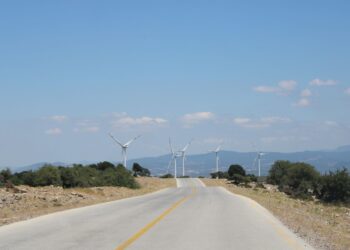
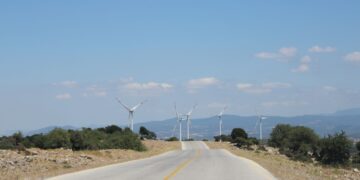
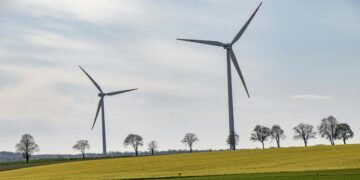
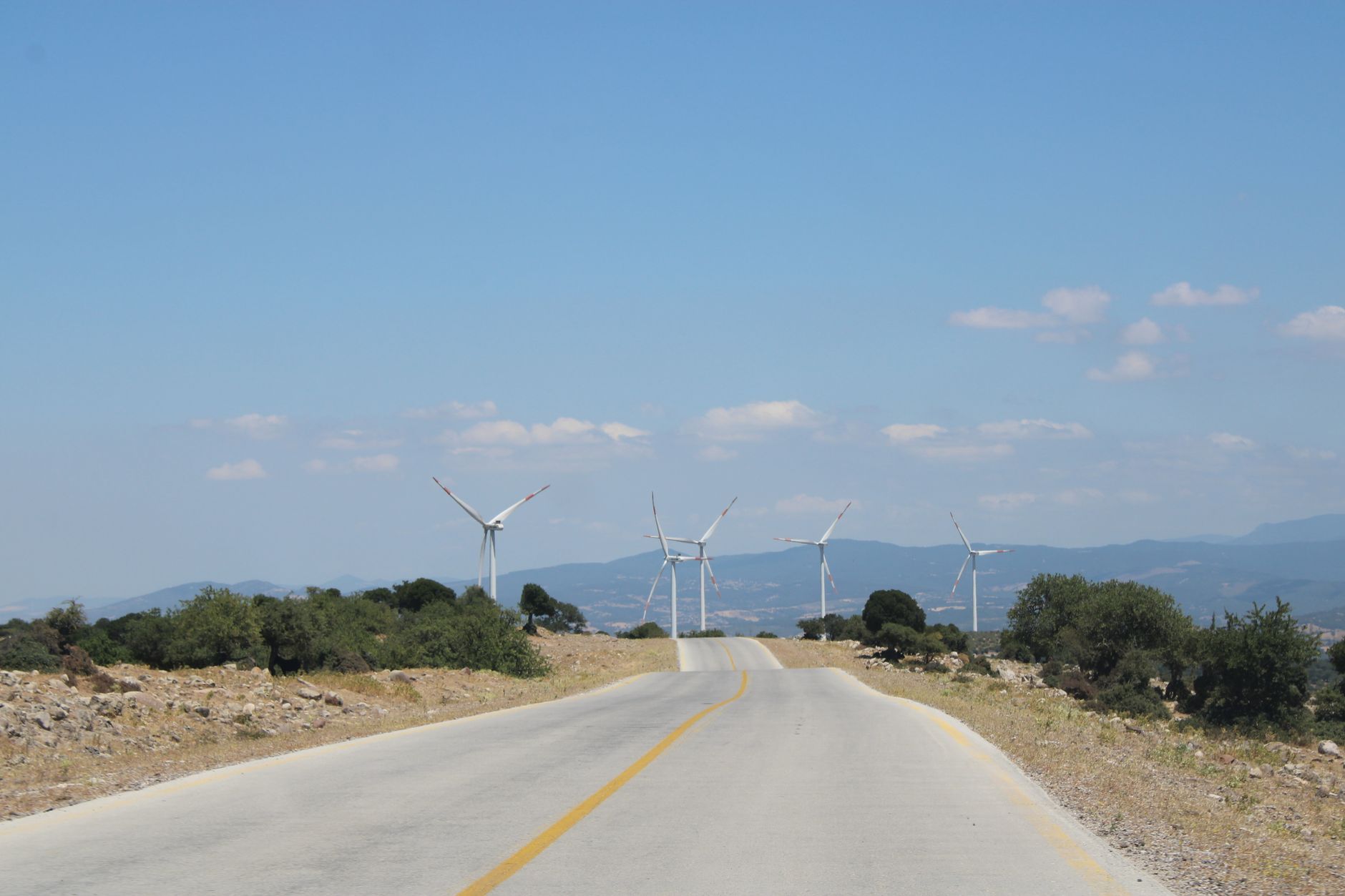
Despite regional disputes, individual project execution and localized commitments serve as visible reminders of broader green transition goals. Visible installations, such as the Turkey Hill wind turbines, stand as a bold reminder of green energy commitment across the global industrial landscape. Maintaining focus on long-term renewable expansion while resolving or navigating complex maritime boundary disputes will remain a critical balancing act for regional policymakers.
Outlook for the Turkey Green Energy Strategy
Looking ahead, Türkiye’s energy transformation will be defined by its ability to execute complex grid modernizations while sustaining private capital flow under the national green energy finance strategy. The dual targets—achieving key electrification benchmarks by 2035 and completing the 2040 energy architecture—set an ambitious operational path that requires close coordination across public institutions, commercial lenders, and global technology providers.
The long-term trajectory will also depend on how successfully Türkiye balances its international policy ambitions with regional diplomacy. As the country pushes its global plan to electrify 35% of energy use by 2035, its leadership on the international stage will be weighed against its capacity to resolve regional disputes in the Aegean. If financial and strategic frameworks remain robust, Türkiye is well-positioned to establish itself as a central hub for clean power execution, sustainable manufacturing, and regional energy transition.
Frequently Asked Questions
What are the core goals of Türkiye’s 2040 energy architecture?
Türkiye’s 2040 energy architecture is centered on rapid electrification across key economic sectors, aiming to modernize grid infrastructure, increase low-emission power adoption, and restructure national energy consumption over the long term.
What target does Turkey’s global electrification plan advocate by 2035?
Turkey is pushing a bold global plan that advocates for electrifying 35% of total energy use across international economies by the year 2035.
How does the national green energy finance strategy benefit investors?
The strategy establishes clear financing guidelines, standardized green financial instruments, and improved risk-sharing mechanisms, making it easier for domestic and foreign investors to fund renewable power projects and industrial electrification.
Why has a new Aegean dispute emerged between Turkey and Greece?
Turkey has challenged Greece’s new green energy plan due to overlapping maritime claims and disputed boundary rights in the Aegean Sea, opening a new dispute over energy and environmental planning in contested waters.
How do wind turbine projects contribute to green energy commitments?
Wind energy projects, including notable installations like the Turkey Hill wind turbines, serve as practical reminders of ongoing commitments to renewable power generation and industrial carbon reduction.
What do these green energy developments mean for foreign buyers sourcing from Turkey?
As Türkiye electrifies its industrial grid and expands clean energy finance, foreign buyers benefit from reduced supply chain carbon footprints, helping them comply with international emissions standards and border regulation rules.
Sources
- Turkey prepares 2040 energy architecture centered on rapid electrification – Balkan Green Energy News
- Turkey Hill wind turbines a bold reminder of green energy commitment [Lancaster Watchdog] – LancasterOnline
- Türkiye unveils national green energy finance strategy – Hürriyet Daily News
- Turkey Challenges Greece’s New Green Energy Plan, Opening Another Aegean Dispute – GreekReporter.com
- Turkey Pushes Bold Global Plan to Electrify 35% of Energy Use by 2035 – Crude Oil Prices Today | OilPrice.com
Related Reading
- Turkey’s Renewable Energy Boom: FDI Surges in Solar and Green Hydrogen as Decarbonization Accelerates
- From Startups to Turcorns: Türkiye’s Tech Ecosystem Attracts $5.1 Billion
- HIT-30 & The Green Deal: Türkiye’s Strategic Roadmap for 2025 and Beyond
Looking to Source or Invest in Turkey?
Navigating suppliers, regulations and market entry in Turkey can be complex for international businesses. Burç Consulting provides on-the-ground sourcing, investment feasibility and market entry support for companies working with Turkey. Get in touch with our team to discuss your project.