Turkey Real Estate Investment: New Assets and Buyers
Data centers, Russian buyers and citizenship rule changes are reshaping Turkey real estate investment. Key trends for foreign investors.
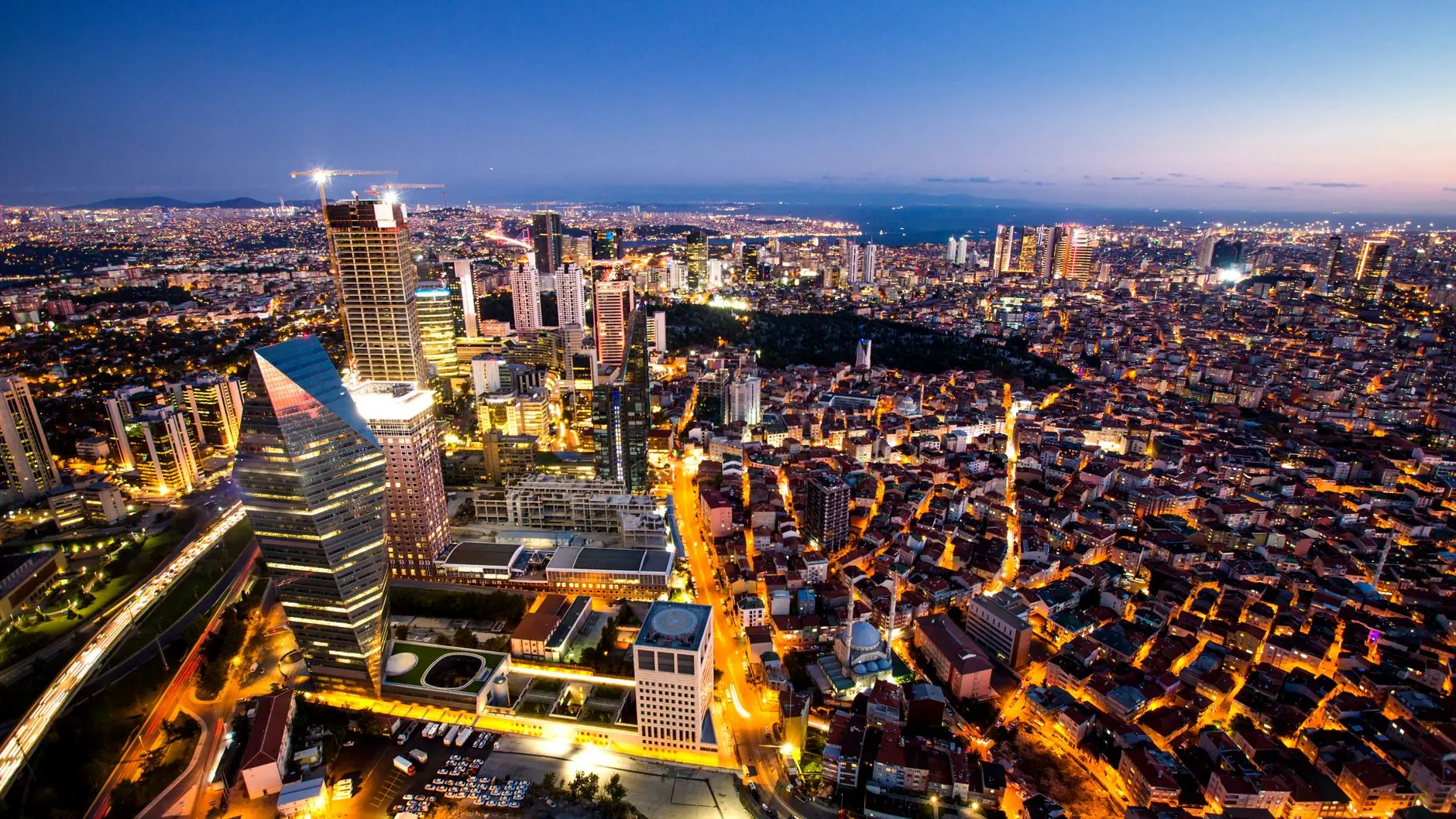
Türkiye's property market is undergoing a structural transition as shifting international trade routes, macroeconomic shifts, and geopolitical volatility reposition the nation on the global financial map. Foreign investors are increasingly viewing Türkiye as an alternative route for real estate deployment, with Russian real estate demand climbing notably amid ongoing global uncertainty. At the same time, leading domestic institutional players are seeking growth beyond conventional boundaries; real estate investment trust Koray GYO is actively targeting data centers and evaluating new developments in the United States. However, these expanding opportunities arrive alongside significant administrative challenges, as persistent fraud concerns resurface around Turkey's citizenship by investment scheme.
Corporate Diversification: Koray GYO Targets Data Centers and US Expansion
As traditional real estate models adapt to changing economic conditions, major domestic investment vehicles are looking toward specialized asset classes and international markets to secure long-term value. Turkish real estate investment firm Koray GYO has signaled a strategic pivot by actively targeting data centers, an asset class that has experienced rapid global demand driven by digital infrastructure growth. This shift reflects a broader trend among institutional property managers aiming to move past standard commercial and residential portfolios into technology-adjacent real estate.
In addition to exploring data center assets, Koray GYO is setting its sight on development opportunities in the United States. Establishing a footprint in the US commercial property sector allows Turkish investment firms to diversify currency risk, tap into deep liquidity pools, and gain exposure to advanced corporate tenant markets. By combining technical asset focus with geographic expansion, investment managers are attempting to build resilient structures capable of navigating domestic and global economic headwinds.
This dual strategy highlights the evolving maturity of Turkish institutional real estate entities. Rather than remaining strictly focused on domestic developments, prominent firms are leveraging their operational capabilities to orchestrate cross-border transactions. Moving into high-barrier sectors like specialized digital infrastructure demonstrates how corporate strategies in the region are adapting to capture international institutional capital.
Guide:Best 5 Turkish Cities for Real Estate for Foreigners
Foreign Capital Flows and the Impact on Turkey Real Estate Investment
Concurrently, Türkiye is emerging as a preferred alternative venue for international capital. Global investors navigating shifting regulatory regimes and financial restrictions elsewhere in Europe and Asia are reallocating portfolios toward Turkish real estate. The country's geographical positioning, coupled with open capital channels, makes it an attractive focal point for cross-border investments seeking yields outside conventional Western hubs.
A major catalyst driving this influx is the sustained growth in Russian real estate demand. Heightened geopolitical uncertainty and international sanctions have compelled Russian buyers—ranging from private individuals to corporate entities—to seek stable assets abroad. Türkiye's real estate market has absorbed a substantial portion of this demand, benefiting both residential communities and commercial commercial centers in key metropolitan regions.
This persistent foreign interest underscores the dual role of the property sector as both an operational asset class and a capital preservation vehicle. While heavy foreign involvement brings liquidity to local developers, it also alters market dynamics, influencing property valuations and altering urban buyer demographics in top-tier markets.
Compliance Risks and Administrative Integrity in Citizenship Investment Schemes
The rapid expansion of foreign capital inflows has brought regulatory oversight back into sharp focus, particularly regarding official incentive programs. Turkey's citizenship by investment scheme, designed to attract foreign direct capital in exchange for residency and nationality rights, is facing renewed scrutiny as reports of fraudulent transactions resurface. Irregularities typically involve inflated property appraisals, side agreements that bypass legal holding periods, and misleading documentation supplied during the application phase.
These compliance failures present substantial legal and financial risks for all market participants. Unregulated practices dilute transparency and create valuation discrepancies that complicate official market tracking. For international investors, entering transactions compromised by non-compliant documentation can lead to administrative penalties, title disputes, or the revoking of citizenship applications by regulatory authorities.
Addressing these vulnerabilities requires rigorous regulatory oversight, stricter enforcement of property appraisal standards, and legal accountability for intermediaries involved in foreign acquisitions. Protecting the integrity of the citizenship program is essential if Türkiye is to sustain long-term institutional foreign direct investment without undermining local governance standards.
Strategic Considerations for Turkey Real Estate Investment Operations
Navigating the contemporary landscape requires a nuanced approach from both cross-border institutional firms and individual foreign purchasers. As asset classes diversify and regulatory frameworks tighten, market participants must adapt their strategic execution.
Risk Management and Corporate Compliance
Institutional entities expanding abroad, as well as foreign buyers investing domestically, face complex compliance layers. Entities expanding into markets like the US must align with strict local zoning, tax, and capital structures. Conversely, foreign purchasers in Türkiye must implement comprehensive due diligence to ensure legal compliance under citizenship programs, verifying independent valuation reports and title authenticity.
Infrastructure and Alternative Asset Allocation
The institutional push toward data centers highlights the growing importance of operational real estate. Unlike conventional office or retail spaces, specialized technology real estate depends heavily on power infrastructure, connectivity, and long-term lease structures. Investors looking at this sector must evaluate technical integration alongside standard property metrics.
Cross-Border Capital Efficiency
With capital moving between emerging hubs and established Western markets, financial structuring becomes critical. Managing currency exposure, navigating cross-border tax considerations, and assessing geopolitical stability are now central to asset management strategies for entities operating across multiple jurisdictions.
Market Outlook and Structural Evolution
Looking ahead, the market is set to remain a dynamic intersection of domestic institutional expansion and foreign capital reallocation. Global reporting outlets, such as CoStar World News, continue to track these shifts as cross-border property dynamics realign worldwide. Türkiye's ability to maintain its role as an alternative destination for real estate capital will depend on balancing open market policies with robust governance frameworks.
As firms like Koray GYO demonstrate the potential for Turkish vehicles to compete in international technology infrastructure, domestic market regulators are expected to increase oversight on foreign inbound flows. Institutionalizing transaction processes, curbing fraudulent schemes, and expanding alternative asset classes will determine the long-term stability and global reputation of the market.
Sources
- Turkish real estate investment firm Koray GYO targets data centers, eyes developments in US - Data Center Dynamics
- Türkiye emerges as alternative route for global real estate investors - Hürriyet Daily News
- Russian real estate demand in Türkiye rises amid global uncertainty - Daily Sabah
- Fraud resurfaces in Turkey citizenship by investment scheme - The New Arab
- News | CoStar World News for March 12 - costar.com
Frequently asked questions
Why is Türkiye emerging as an alternative destination for global real estate investors?
Türkiye offers accessible capital channels, strategic geographical positioning, and diverse property choices at a time when global geopolitical shifts and regulatory tightening in other regions have led investors to seek flexible markets for cross-border capital deployment.
What new asset classes are Turkish real estate firms expanding into?
Firms such as Koray GYO are actively targeting specialized data center developments, moving beyond traditional commercial and residential assets to capture value in fast-growing digital infrastructure markets.
Why is Russian real estate demand rising in Türkiye?
Geopolitical uncertainty, financial restrictions in Western markets, and favorable bilateral transaction channels have led Russian buyers to secure residential and commercial property in Türkiye as a safe harbor for capital preservation.
What operational challenges face Turkey's citizenship by investment scheme?
The scheme faces administrative issues including fraudulent property valuations, non-compliant holding arrangements, and documentation irregularities, which risk exposing buyers to legal challenges and harming market transparency.
How are Turkish REITs expanding internationally?
Institutional firms are exploring cross-border development opportunities in mature international markets, including the United States, to diversify their portfolios and mitigate localized economic risks.
More on this topic: Turkey Real Estate Investment: Cities, Prices and Rules