






















The Turkish agriculture model is reaching a significant strategic turning point as international expansion efforts coincide with severe environmental and macroeconomic challenges at home. Key international partnerships are taking shape, underlined by a major investment project to export Türkiye’s farming and agronomic framework to Senegal. At the same time, domestic agricultural operators must navigate persistent global price shocks, regional geopolitical conflicts, and severe climate disruptions impacting local growing conditions.
International Expansion of the Turkish Agriculture Model
Cross-border agricultural cooperation has emerged as a cornerstone of Türkiye’s outward investment strategy. Under a new major investment project, the Turkish agriculture model will be exported to Senegal to enhance farm productivity and infrastructure in West Africa. This development underscores the growing international appeal of Turkish farming expertise, technical know-how, and commercial agribusiness structures in emerging markets seeking modern food production solutions.
For Senegal, hosting a major investment grounded in Turkish agricultural practices provides a pathway toward strengthened food security and modernized farming systems. The project reflects a broader trend of cross-regional agricultural integration, where established agronomic practices from Türkiye are adapted to foreign soils to build resilient commercial crop networks and optimize land utilization.
This outward expansion also positions Turkish agribusiness firms as key players in global agricultural development. By transferring farming techniques, technology, and management models abroad, Turkish enterprise networks are broadening their operational footprints beyond domestic borders, creating new avenues for trade, technology exchange, and long-term foreign direct investment.
Environmental Pressures Facing the Turkish Agriculture Model
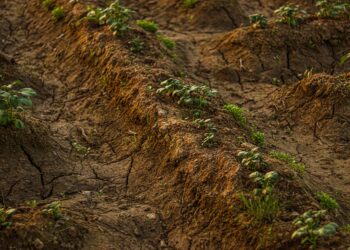
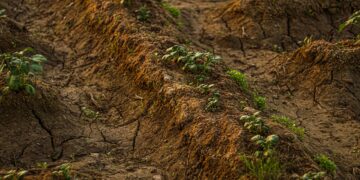
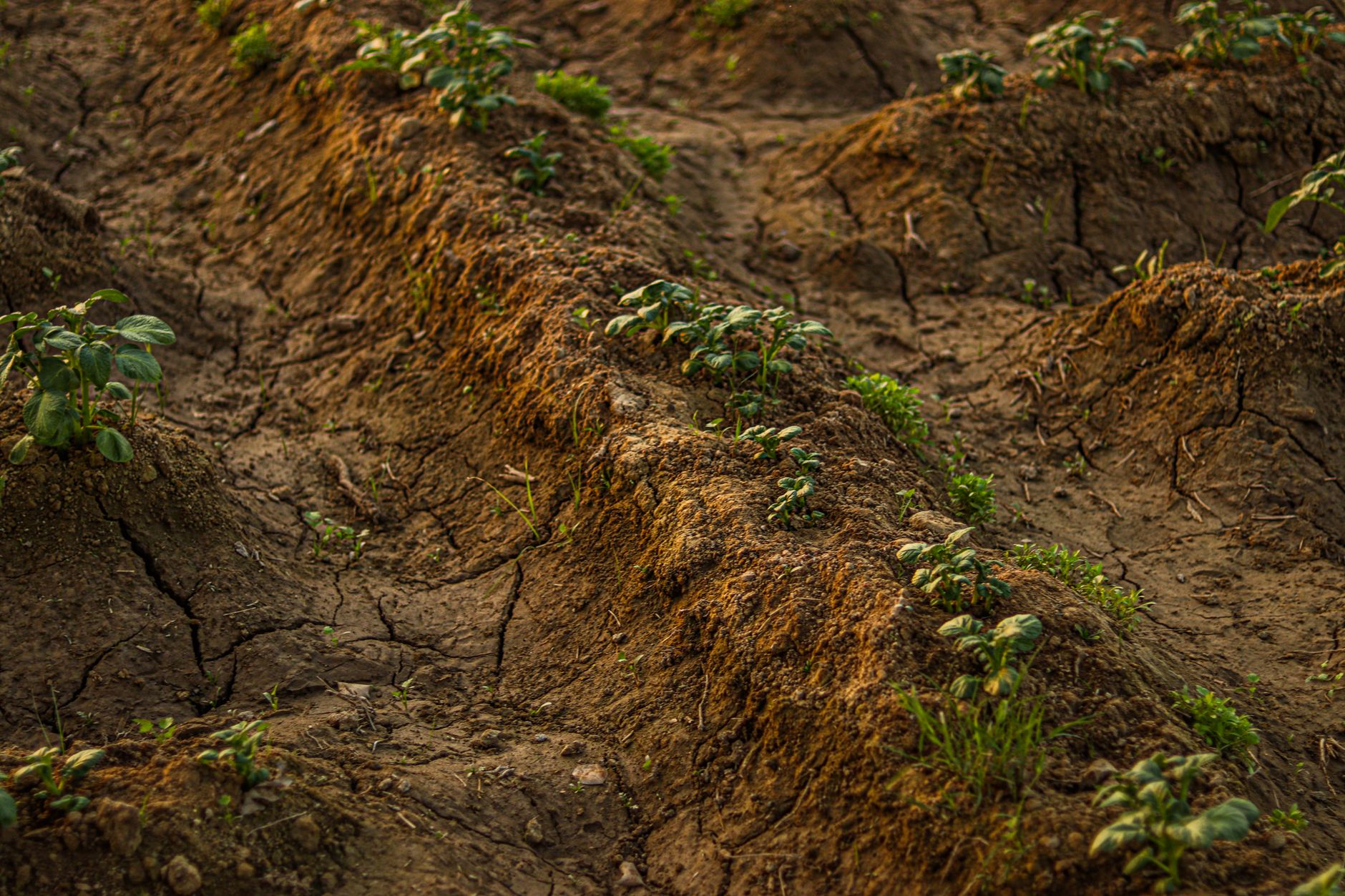
While international investment initiatives showcase the strength of Turkish agricultural practices abroad, domestic producers face unprecedented environmental shifts. Prolonged and severe droughts are fundamentally transforming the Turkish landscape. The persistent lack of precipitation and intense groundwater extraction have led to the widespread emergence of massive sinkholes across key farming regions, altering topographies and complicating land management.
The proliferation of these massive sinkholes presents severe operational hazards for farm machinery, irrigation infrastructure, and overall land utility. Ground instability directly threatens crop yields and seasonal planning, forcing agricultural authorities and growers to adapt their land-use strategies. Drought conditions continue to stress water reserves, elevating the urgency around sustainable groundwater management and modern irrigation efficiency.
Addressing climate vulnerability is essential for maintaining the long-term viability of agricultural production inside Türkiye. As ecological changes reshape growing zones, soil stability and moisture preservation have become central focus areas for policy planning, farm operations, and commercial sourcing assessments across the country.
Inflationary Pressures and Geopolitical Dynamics
Beyond environmental degradation, economic volatility heavily impacts the commercial landscape. Türkiye currently ranks fourth globally in food inflation, reflecting intense domestic consumer price increases and elevated input costs across the supply chain. High inflation complicates capital planning for farm enterprises and reduces profit margins for food processors and exporters alike.
Geopolitical instability in the broader region further amplifies these economic pressures. The war involving Iran is actively driving food price pressures both in Türkiye and across global markets. Conflict-related disruptions affect international energy pricing, trade routes, and commodity markets, driving up logistics costs and raw material prices for agricultural producers.
These converging economic forces create a challenging operating environment for investors and procurement officers. Managing price volatility requires agribusinesses to adopt flexible pricing mechanisms, diversify input sourcing, and closely monitor international geopolitical events that influence global food supply chains.
Global Agricultural Context and Sourcing Implications
The operational and economic dynamics observed in Türkiye reflect broader global trends in agricultural adaptation and risk management. Across different regions worldwide, distinct community and commercial models demonstrate how specialized farming traditions contribute to food supply resilience under varying economic conditions.
Comparative Community Models in Global Farming
Understanding diverse agricultural frameworks offers valuable context for global sourcing strategy. For instance, looking at North American agricultural systems, the agricultural contributions of Hutterites in South Dakota illustrate how tightly integrated, communal farming models drive significant regional output. Diverse structural approaches to farming highlight the various ways regional populations organize labor, land, and capital to maintain food production stability.
Supply Chain Resilience and Buyer Considerations
For international buyers and investors engaging with the Turkish agricultural sector, balancing opportunities against risk is essential. Key practical considerations for commercial stakeholders include:
- Evaluating cross-border investment projects, such as the enterprise model being deployed in Senegal, for long-term commercial yield.
- Factoring domestic food inflation rankings and geopolitical price shocks into forward contract negotiations and input cost forecasts.
- Assessing regional climate risks, including drought severity and sinkhole formation, when determining long-term crop sourcing reliability.
- Diversifying supply chains across multiple growing regions to mitigate localized environmental hazards.
Strategic Outlook for Agribusiness and Sourcing
The dual dynamic of expanding the Turkish agriculture model internationally while managing domestic climate and inflation challenges highlights the complex environment facing agribusiness stakeholders. Success in foreign investment ventures, such as the Senegal project, demonstrates the strategic value of transferring agronomic capabilities to new growing markets.
However, sustaining long-term growth will require continuous adaptation to macroeconomic and environmental realities. As global food price pressures persist due to geopolitical conflicts like the war involving Iran, and as climate change continues to alter physical landscapes with droughts and sinkholes, agricultural businesses must prioritize resilience, precise risk modeling, and sustainable land management.
Frequently Asked Questions
How is the Turkish agriculture model being expanded internationally?
The Turkish agriculture model is being exported to Senegal through a major investment project designed to introduce Turkish farming expertise and commercial agricultural frameworks to the region.
What environmental challenges are currently affecting Turkish farmland?
Severe droughts are transforming the Turkish landscape, causing the formation of massive sinkholes that pose structural risks to farmland and agricultural operations.
Where does Türkiye rank globally in food inflation?
Türkiye ranks fourth globally in food inflation, reflecting significant price pressures on food products and agricultural supply chains.
How are international conflicts affecting food prices in Türkiye?
The war involving Iran is driving food price pressures both inside Türkiye and globally, impacting commodity markets, trade routes, and input costs.
What are Hutterites’ agricultural contributions in South Dakota?
In South Dakota, Hutterite communities make notable agricultural contributions through organized communal farming operations that support regional food production and rural agribusiness.
Sources
- What are Hutterites’ agricultural contributions in South Dakota? – Mitchell Republic
- Droughts are transforming the Turkish landscape with massive sinkholes – BBC
- Turkish agriculture model to be exported to Senegal with major investment project – AzerNews
- Turkey ranks fourth globally in food inflation – Bianet
- Iran war drives food price pressures in Türkiye and globally – Hürriyet Daily News
Related Reading
- Grains & Pasta: Turkey’s Milling Power & Bulgur Dominance
- $490M Exports: Turkey’s Strategic Seed & Seedling Investment
- Turkey Seafood: $2B in Aquaculture & Fresh Exports
Looking to Source or Invest in Turkey?
Navigating suppliers, regulations and market entry in Turkey can be complex for international businesses. Burç Consulting provides on-the-ground sourcing, investment feasibility and market entry support for companies working with Turkey. Get in touch with our team to discuss your project.