











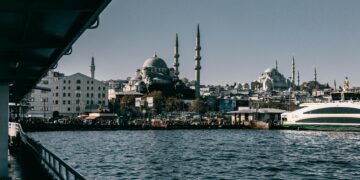















Turkey is experiencing a notable expansion in international business activity as over 4,000 foreign investors establish firms in Istanbul while global equity buyers snap up Turkish public shares through accelerated, fast-track transactions. In a major structural push to anchor long-term capital, President Recep Tayyip Erdogan has unveiled a 20-year incentive policy featuring a headline tax regime that offers 20 years without tax on foreign income. Against a backdrop of broader regional realignment driven by the war involving Iran, Turkish policymakers are seeking to attract foreign investors to Turkiye and establish Istanbul as a compelling international alternative to traditional financial centers like Dubai.
Istanbul Corporate Growth and the Surge in Foreign Investment
The establishment of corporate entities by more than 4,000 foreign investors in Istanbul marks a decisive shift in how international capital views Turkiye as a commercial base. Istanbul has long served as the country’s economic heartland, but the current scale of direct company formation underlines growing confidence among international corporate founders and entrepreneurs. Setting up local corporate vehicles allows international participants to gain direct access to domestic supply chains, establish regional headquarters, and manage cross-border trading operations directly from Turkiye.
This wave of business incorporation spans multiple commercial sectors, reflecting broad-based interest in Turkish commercial infrastructure. Foreign entrepreneurs establishing corporate entities in Istanbul benefit from the city’s strategic geographic location, bridging European, Middle Eastern, and Asian markets. Rather than relying solely on passive portfolio holdings or indirect market exposure, foreign investors in turkey are increasingly choosing to build operational footholds, register corporate entities, and hire local talent within the metropolitan business ecosystem.
The concentration of newly registered enterprise entities in Istanbul also highlights the municipal economy’s capacity to absorb international capital. As foreign buyers and corporate builders establish operations, local commercial services, legal advisory sector capacity, and corporate financial networks are adapting to support rapid onboarding and sustained business management across the city’s main financial hubs.
New 20-Year Tax Regime and Incentives Unveiled by President Erdogan
Central to Turkiye’s aggressive outreach to global capital is a newly introduced tax framework designed to provide structural, long-term certainty. President Erdogan unveiled 20-year tax incentives aimed directly at foreign capital, positioning the initiative as a cornerstone policy to draw international operations to the country. By establishing a guaranteed multi-decade planning horizon, the Turkish government seeks to alleviate tax uncertainties that traditionally affect long-term foreign direct investment decisions.
The defining feature of this revamped policy structure is a comprehensive exemption granting 20 years without tax on foreign income for qualified investors. Under Turkey’s new tax regime, entities and individuals meeting eligibility criteria can structure international holdings and revenue streams through Turkiye without incurring corporate or income tax liabilities on earnings generated outside the national borders. This policy specifically targets international holding structures, global trade intermediaries, and wealth management operations seeking predictable fiscal environments.
By offering two decades of foreign income tax relief, Turkish authorities are aligning national investment regulations with competitive global standards. For multinational firms and international private capital, a 20-year statutory window offers sufficient longevity to execute broad expansion strategies, build out regional operational hubs, and optimize foreign earning flows without immediate domestic tax friction in Turkiye.
Capital Markets Momentum: Fast-Track Stock Deals and Public Equity Buying
Parallel to direct enterprise creation in Istanbul, foreign buyers are rapidly increasing their exposure to Turkish capital markets through block acquisitions and fast-track stock deals. International institutional investors and fund managers are utilizing accelerated transaction structures to acquire sizable equity stakes in listed Turkish companies, bypassing lengthy public market purchasing timelines. This speed of execution reflects robust demand for high-growth public market assets across key Turkish industries.
Fast-track equity mechanisms allow foreign institutional investors to secure strategic entry points into publicly traded firms while offering domestic issuers immediate liquidity. The willingness of foreign capital to participate in accelerated share placements underscores dynamic market sentiment, as global managers look to rebalance portfolios toward emerging market equities offering structural growth and competitive entry valuations.
The strong momentum in fast-track public stock acquisitions complements the steady expansion seen in physical corporate setups. Together, public capital deployment and private firm establishment create a dual-track investment cycle, where portfolio inflows strengthen market capitalization while real-economy corporate formations drive real business activity, employment, and cross-border commercial trade.
Regional Competition and Strategic Positioning: Can Istanbul Rival Dubai?
As international capital reevaluates regional risk profiles, Turkey is positioning its commercial metropolis to capture market share from established Middle Eastern financial centers. The core question gaining traction among regional business analysts is whether Istanbul can successfully rival Dubai as conflict in the Middle East reshapes trade networks, corporate headquarters, and investment migration routes.
Regional Shifts and Conflict Dynamics
Geopolitical turbulence, particularly shifts linked to the war involving Iran, is forcing global financial institutions, trading houses, and regional business leaders to reassess their operational geography. In response to regional instability, foreign investors in turkey are finding Istanbul to be an increasingly appealing destination that offers physical access to both European and Middle Eastern markets alongside deep industrial capabilities.
Positioning Istanbul Against Established Gulf Financial Hubs
Dubai has long maintained a dominant status as the premier commercial hub for the broader region due to zero-tax structures, free zones, and foreign investment capital protections. However, Turkiye’s introduction of a 20-year tax regime exempting foreign income, combined with Istanbul’s vast manufacturing base, diversified domestic market, and extensive transport connections, creates a compelling value proposition. As Turkey looks to woo global investors, Istanbul is leveraging both its financial market instruments and real-economy depth to present a competitive alternative for international corporate hubs.
Strategic Implications for Businesses, Buyers, and International Investors
The combination of long-term tax guarantees, accessible public markets, and rapid corporate setup mechanisms presents distinct operational opportunities for foreign corporate planners and private capital managers evaluating Turkiye.
- Long-Term Tax Planning: The 20-year exemption on foreign income allows corporate treasurers and holding companies to design multi-year capital deployment plans with enhanced fiscal predictability.
- Capital Deployment Efficiency: Fast-track stock transaction channels enable institutional buyers to build significant equity positions in public companies without prolonged market exposure or execution delay.
- Operational Base Expansion: Establishing a registered corporate presence in Istanbul provides foreign firms direct access to Turkey’s industrial production, skilled workforces, and strategic geographic positioning between regional markets.
- Geopolitical Risk Diversification: Shifting regional dynamics make Turkiye an attractive alternative jurisdiction for enterprises seeking to hedge operational risks in the wider Middle East.
Outlook for Turkey’s Foreign Investment Landscape
The multi-pronged approach adopted by Turkish policymakers combines statutory tax incentives, efficient capital market execution, and active geopolitical positioning. Having already drawn over 4,000 foreign investors establishing firms in Istanbul, the ongoing rollout of President Erdogan’s 20-year incentive structure is expected to remain a primary driver of foreign capital entry into Turkiye.
As international corporations evaluate regional alternatives against the backdrop of Middle Eastern conflict, the durability of Turkey’s foreign income tax exemption and the continued execution of fast-track financial market mechanisms will determine how effectively Istanbul can challenge established hubs like Dubai in the years ahead.
Frequently Asked Questions
How many foreign investors have recently established companies in Istanbul?
More than 4,000 foreign investors have established firms in Istanbul, expanding the city’s international corporate footprint across various economic sectors.
What are the main details of Turkey’s new tax regime for foreign investors?
Turkey’s new tax regime provides 20 years without tax on foreign income, offering long-term fiscal predictability and exemptions for qualifying international income streams.
Who introduced the 20-year tax incentive framework in Turkiye?
President Recep Tayyip Erdogan unveiled the 20-year tax incentive framework as part of a strategic initiative to attract foreign investors to Turkiye.
How are foreign buyers entering the Turkish stock market?
Foreign buyers are acquiring equity positions in Turkish listed companies through fast-track stock deals and accelerated transaction mechanisms.
Is Istanbul actively competing with Dubai for international foreign investment?
Yes, Turkey is looking to woo international business and position Istanbul to potentially rival Dubai as regional dynamics and ongoing conflict reshape capital flows in the region.
What geopolitical factor is influencing the realignment of investment in the region?
The war involving Iran and broader regional instability are reshaping trade and investment flows, prompting firms to re-evaluate regional operations and look to Turkiye as an alternative center.
Sources
- Over 4,000 foreign investors establish firms in Istanbul – Hürriyet Daily News
- Foreign Buyers Snap Up Turkish Stocks in Fast-Track Deals – Bloomberg.com
- Turkey’s New Tax Regime: 20 Years Without Tax on Foreign Income – revera.legal
- Erdogan unveils 20-year tax incentives to attract foreign investors to Turkiye – asiaplus.news
- Can Istanbul rival Dubai? Turkey looks to woo investors as Iran war reshapes region – Middle East Eye
Related Reading
- The Elite Entry: Understanding Türkiye’s Turquoise Card for Investors and Experts
- The $285 Billion Success Story: Why 86,000 Global Firms Chose Türkiye
- Integrity and Security: The “No Impediment” Rule in Turkish Citizenship
Looking to Source or Invest in Turkey?
Navigating suppliers, regulations and market entry in Turkey can be complex for international businesses. Burç Consulting provides on-the-ground sourcing, investment feasibility and market entry support for companies working with Turkey. Get in touch with our team to discuss your project.