





























Global furniture and soft home suppliers are navigating a complex commercial landscape marked by trade policy shifts, input cost inflation, and aggressive international market expansion. At the High Point Market in North Carolina—recognized as the world’s largest furniture trade event—industry participants are confronting new headwinds stemming from trade tariffs alongside rising material prices, particularly for foam used in upholstery and bedding. Against this backdrop of international trade tensions and input pressure, Turkish textile brands are seeking to expand their global footprint, with companies like Bella Maison actively working to establish leadership positions within the competitive United States home market.
Trade Policy and Tariff Dynamics Reshape International Furniture Markets
Trade policy has returned to the forefront of strategic discussions across the international home furnishings sector. Importers and global sourcing executives are adjusting to trade salvos marked by tariffs instituted on imported furniture products. These trade measures directly affect importing businesses, forcing decision-makers to evaluate landed costs, margin structures, and supplier networks across multiple sourcing destinations.
Rather than avoiding contentious policy matters, participants attending the High Point Market in North Carolina engaged directly in open discussions regarding the impact of tariffs on the global supply chain. As the premier international gathering for the home furnishings industry, High Point served as a crucial forum for retail buyers, brand representatives, and manufacturers to assess how tariff structures alter competitive balances between domestic producers and overseas vendors.
For global buyers, trade policy shifts necessitate a thorough re-examination of vendor portfolios. When tariff barriers increase financial pressure on traditional supply routes, procurement teams frequently re-evaluate alternative manufacturing hubs that can offer competitive quality, scalable capacity, and favorable commercial terms. This dynamic creates both challenges for established import models and opportunities for expanding export nations looking to capture market share.
Rising Input Costs: The Impact of Escalating Foam Prices
Compounding the challenges created by trade policy is the ongoing cost pressure in raw material markets. Prices for foam—a vital component in finished upholstery, seating, and mattress manufacturing—are currently on the rise across the industry. This upward trajectory in material costs directly affects manufacturing budgets and product margin calculations for producers worldwide.
The surge in foam pricing presents distinct operational hurdles for both mattress manufacturers and upholstered furniture makers. Because foam represents a significant proportion of total bill-of-materials costs in cushioned seating and sleep products, sustained price increases force manufacturers to choose between absorbing tighter margins or passing cost adjustments along to wholesale and retail partners. These cost dynamics resonate throughout the entire supply chain, influencing wholesale pricing strategies and retail point-of-sale terms.
As input inflation spreads across core product lines, buyers and product developers are forced to look more closely at material efficiency, product engineering, and vendor pricing structures. Manufacturers capable of maintaining stable supply agreements or leveraging efficient sourcing channels for critical raw materials gain a distinct competitive advantage in maintaining price stability for global buyers.
Bella Maison Expansion and the Growing Footprint of Turkish Textiles
Amid fluctuating tariffs and rising raw material expenses in traditional manufacturing categories, Turkish home textiles continue to build strategic momentum in international consumer markets. Turkish brand Bella Maison has publicly outlined an ambitious target: aiming to become a top U.S. brand for Turkish textiles. This push reflects a broader strategy among Turkish manufacturers to move beyond private-label production and build recognized, high-value brand equity in major Western retail environments.
Turkey’s textile sector has long maintained a reputation for manufacturing quality, rich weaving heritage, and strong supply chain integration. By focusing on direct brand positioning in the United States, companies like Bella Maison seek to capitalizes on growing trade interest in Turkish-made home goods, including bedding, bath linens, and decorative soft goods. Achieving top-brand status requires establishing robust logistics networks, adapting product aesthetics to local consumer tastes, and forging strategic partnerships with major American retail distributors.
The expansion of Turkish textile brands into the U.S. market offers retail buyers an attractive alternative for category diversification. With buyers looking to mitigate trade risks associated with high-tariff regions, Turkish suppliers offer strong production standards, proximity to key global trade lanes, and a comprehensive product assortment across soft home categories.
Product Introductions and Floor Coverings Focus at High Point Market
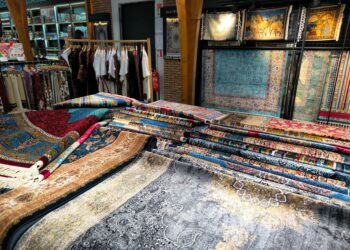
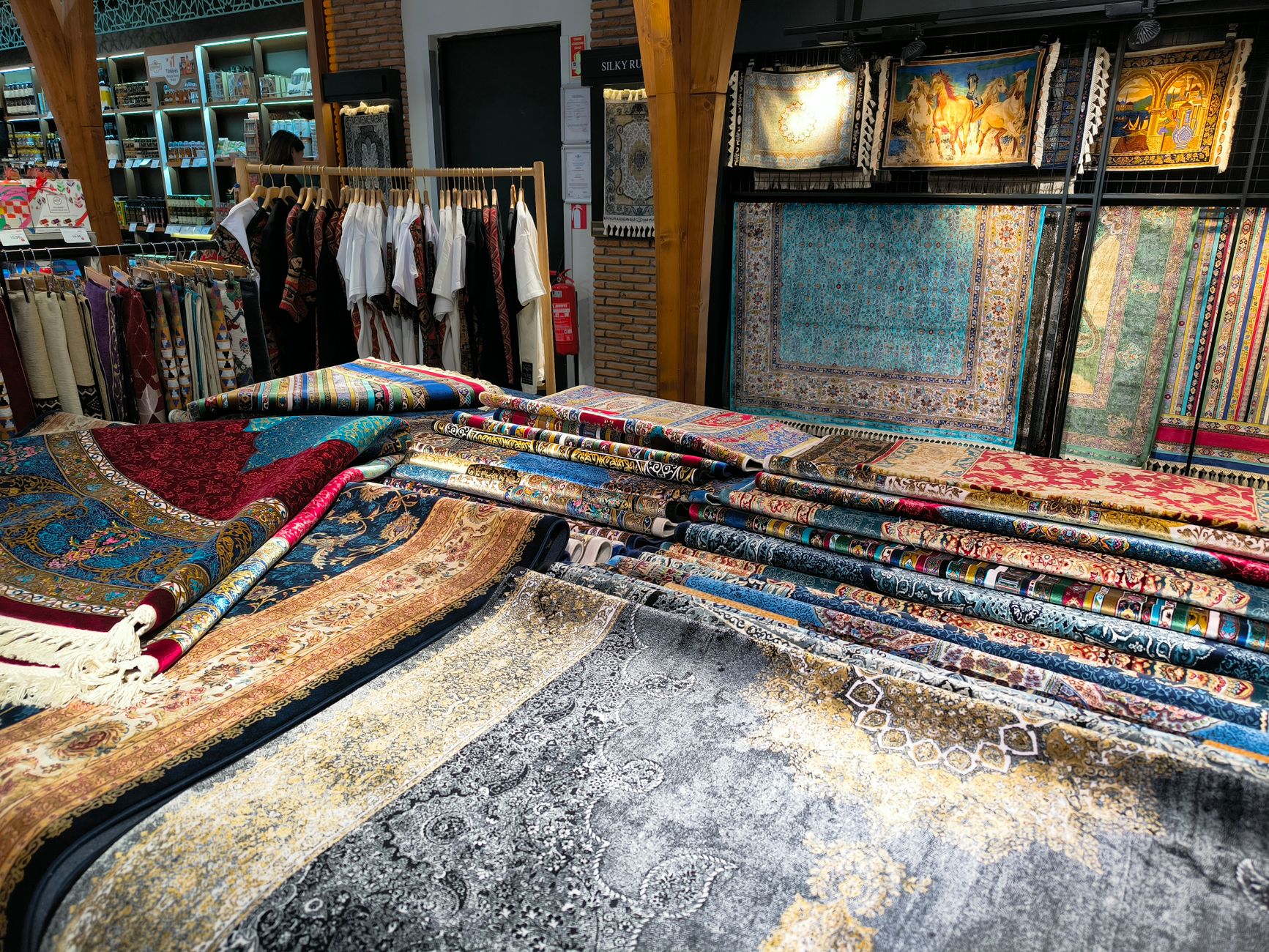
Beyond structural trade discussions and component cost pressures, product innovation remains a primary driver of trade activity. Area rug suppliers arrived at the High Point Market with an array of new product introductions, highlighting the floor coverings category as a key arena for design differentiation and buyer engagement.
Strategic Showcasing at Premier Industry Venues
Major trade markets like High Point provide floor covering vendors with an essential venue to launch new collections, present novel material textures, and demonstrate design trends to attending buyers. By bringing fresh product introductions to the market, rug suppliers aim to secure retail placements and establish momentum for upcoming selling seasons despite broader macroeconomic uncertainties.
Aligning Product Introductions with Buyer Demand
The influx of new area rug introductions demonstrates supplier responsiveness to evolving buyer demands. Importers and retailers seeking to refresh their visual merchandising strategies rely on regular collection updates that balance aesthetic appeal with competitive price points. Suppliers that effectively align design updates with stable manufacturing costs are best positioned to capture buyer commitments during market cycles.
Practical Implications for Sourcing Executives and Global Retailers
The combination of active tariff policies, rising component prices like foam, and expanding international brand entries creates a dynamic commercial environment for home goods procurement. Sourcing directors and merchandise managers must adapt their strategies to maintain profitability while securing reliable product supply.
First, risk diversification has become an operational necessity. Retailers relying heavily on single-source origins facing elevated trade tariffs are actively seeking supply chain alternatives. Turkey’s well-developed textile and manufacturing base presents a strategic option for buyers seeking high-quality soft home products backed by established trade infrastructure.
Second, cost management strategies must account for volatile raw material inputs. As foam prices rise, purchasing managers in the upholstery and bedding sectors must collaborate closely with suppliers to optimize specifications, evaluate alternative constructions, and manage lead times to buffer against sudden cost swings.
Finally, building strong vendor partnerships is paramount. Importers and brands that proactively navigate trade regulations, present distinct product introductions, and maintain transparent pricing frameworks will cultivate stronger, long-term relationships with major retail buyers seeking stability amidst industry shifts.
Industry Outlook and Sourcing Considerations
Looking ahead, the international home furnishings and soft goods sectors will continue to be defined by global policy developments and supply chain flexibility. As trade discussions remain active at premier trade venues like High Point Market, businesses across the furniture and textile sectors must remain agile, monitoring both policy shifts and material cost trends.
For export-oriented nations like Turkey, the ongoing market realignments present a clear commercial opportunity. As brands like Bella Maison pursue prominent market positions in major consumer destinations, Turkish home textiles are increasingly recognized not only for manufacturing capability but also as standalone consumer brands capable of competing at the highest levels of global retail.
Frequently Asked Questions
How are U.S. trade tariffs impacting furniture importers?
Trade tariffs increase the landed cost of imported furniture products, forcing importers and retailers to re-evaluate vendor margins, adjust pricing strategies, and consider alternative international sourcing destinations to maintain competitive profitability.
What is Bella Maison’s primary strategic goal in the U.S. market?
Bella Maison aims to become a top U.S. brand for Turkish textiles, positioning its products directly within the competitive American retail market to capture market share in soft home goods.
Why are rising foam prices a concern for upholstery and mattress manufacturers?
Foam is a core raw material in cushioned seating, upholstery, and mattress production. Escalating foam prices directly increase total manufacturing costs, pressuring producer margins and influencing wholesale pricing.
What role did High Point Market play in recent trade discussions?
High Point Market served as a major central forum where international furniture industry executives, buyers, and vendors openly discussed the impact of tariffs, trade policy shifts, and market trends on global supply chains.
How are area rug suppliers responding to market conditions?
Area rug suppliers are focusing on product innovation, heading to trade events like High Point Market with an array of new product introductions to attract retail buyers and drive collection updates.
Why are buyers looking toward Turkish home textiles for supply chain diversification?
Turkish home textiles offer high-quality manufacturing, rich textile heritage, and strong supply capabilities, making them an attractive alternative for buyers seeking to diversify sourcing away from regions subject to elevated trade tariffs.
Sources
- Area rugs suppliers head to High Point Market with array of introductions – Designers Today
- Foam prices are on the rise. What does that mean for mattresses, upholstery? – furnituretoday.com
- Bella Maison aims to become top U.S. brand for Turkish textiles – Home Textiles Today
- No one was afraid to talk tariffs in NC at the world’s largest furniture market – News & Observer
- Trump’s furniture tariffs hit importers in latest trade salvo – Reuters
Related Reading
- EMITT 2026 Moves to Istanbul Expo Center: A Strategic New Chapter for Global Tourism
- Furniture Exports: Turkey’s $12B Manufacturing Goal by 2030
- Turkish Furniture Sector Targets $10 Billion Export Mark Amid Global Design Shift
Looking to Source or Invest in Turkey?
Navigating suppliers, regulations and market entry in Turkey can be complex for international businesses. Burç Consulting provides on-the-ground sourcing, investment feasibility and market entry support for companies working with Turkey. Get in touch with our team to discuss your project.