


























Türkiye is systematically accelerating its green transformation in turkey through integrated policy frameworks, clean power deployment, and targeted industrial financing. Under the latest Medium-Term Program (MTP), the nation is placing ecological and digital upgrades at the core of its macroeconomic strategy. This national roadmap aligns with rapid developments in battery storage and renewable power generation, positioning the country to meet evolving trade standards and international investment benchmarks.
Accelerating Policy Frameworks and Green Transformation in Turkey
The Turkish government has formalised its commitment to sustainable growth by integrating key environmental and technological goals directly into its Medium-Term Program (MTP). Under this national policy framework, the country is focusing on twin drivers: accelerating digital adoption across key economic sectors and implementing a structured green transformation. Rather than treating decarbonisation as an isolated environmental goal, the MTP frames sustainability as an essential pillar of broader macroeconomic planning and international competitiveness.
This unified strategy aims to upgrade industrial infrastructure, enhance energy efficiency, and modernise manufacturing processes to align with global trade requirements. By establishing clear targets within the MTP, policymakers are offering domestic enterprises and foreign investors a predictable regulatory baseline. The approach ensures that capital allocations and structural reforms actively support long-term ecological resilience alongside traditional economic growth indicators.
Moreover, the focus on concurrent digital and green upgrades addresses operational bottlenecks across core sectors. Integrating smart technologies, automated process controls, and resource-efficient practices enables industrial facilities to lower operational costs while reducing carbon intensity. This policy alignment provides a strong platform for attracting external development capital and institutional project financing.
International Financing and Advanced Green Manufacturing
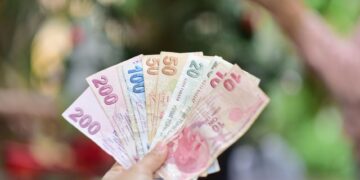
Capital commitments from international multilateral funds are providing the necessary liquidity to execute high-impact industrial projects. A major milestone in this transition is the Asian Infrastructure Investment Bank (AIIB) approving a USD 75 million investment aimed at supporting advanced green manufacturing investment in Türkiye. This dedicated financial package targets facilities that adopt low-carbon technologies, modernize manufacturing equipment, and reduce industrial emissions.
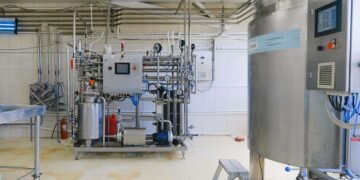
The USD 75 million commitment from AIIB serves as an important endorsement of the country’s sustainable manufacturing capabilities. By prioritizing advanced green manufacturing, the investment helps domestic enterprises adopt resource-efficient production lines, upgrade pollution control systems, and implement clean technology standards. This institutional capital is critical for manufacturers seeking to maintain competitiveness in international procurement markets where carbon footprint transparency is becoming mandatory.
In addition to direct capital infusion, multilateral backing lowers the risk profile for private commercial banks and equity funds considering entry into the Turkish industrial market. Capital deployment focused on sustainable production helps establish modern templates for clean industrial parks and advanced manufacturing facilities. As institutional funding flows into production assets, the broader economy benefits from enhanced supply chain resilience and lower long-term compliance costs.
Clean Power Growth and Battery Storage Expansion
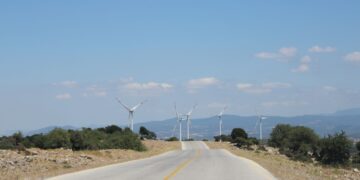
The power generation sector forms the foundation of this structural realignment. According to the BloombergNEF Turkey Transition Factbook 2026, consistent clean power growth positions Turkey for the next phase of its energy transition. Expanding renewable energy capacity has generated structural momentum, enabling the grid to absorb larger shares of zero-carbon power while setting the stage for deeper power market decarbonisation.
Parallel to expanding generation capacity, the country is taking decisive steps in technology deployment to manage grid variability. Reports indicate that Turkey is set to race ahead of the European Union on battery storage implementation amid an ongoing global fossil fuel crisis. By prioritizing energy storage infrastructure, the nation is tackling the main challenge of variable clean power, ensuring grid reliability and buffering domestic industries against fossil fuel price volatility.
Deploying energy storage solutions at pace allows the national grid to store excess renewable electricity during peak generation periods and distribute it during high-demand intervals. This strategic emphasis on battery storage provides a practical blueprint for maintaining continuous power delivery to industrial hubs while decreasing baseline reliance on imported fossil fuels. As a result, the national energy matrix is becoming both cleaner and more structurally resilient.
Strategic Horizons for Green Transformation in Turkey
Contested Waters and Resource Strategy
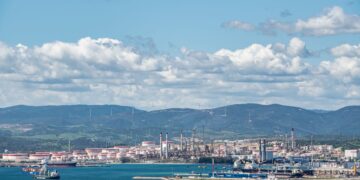
Alongside onshore industrial and power developments, broader geopolitical and marine resource strategies play a pivotal role in national energy planning. Turkey seeks to assert Erdogan’s power over contested waters, highlighting the geopolitical dimensions of maritime resource management and territorial energy sovereignty. Securing marine zones and offshore assets remains integral to the overall national energy strategy as the country balances immediate hydrocarbon security with long-term transition goals.
Grid Modernization and Energy Security
The integration of massive renewable installations and rapid battery storage rollouts demands sophisticated grid balancing mechanisms. Industrial power consumers benefit directly from enhanced power stability, which reduces operational disruptions caused by voltage fluctuations or fuel supply bottlenecks. Establishing advanced grid infrastructure ensures that regional manufacturing centers receive uninterrupted, clean energy supply.
Practical Implications for Businesses, Buyers, and Investors
For international buyers sourcing products from Turkish manufacturers, the country’s dual emphasis on green manufacturing and clean power offers distinct commercial advantages. As cross-border carbon border adjustment regulations take effect globally, goods produced in facilities powered by renewable energy and backed by low-carbon manufacturing standards face lower compliance penalties and lower export barriers.
Foreign direct investors and industrial supply chain partners can find expanding opportunities across clean technology sectors. The availability of institutional capital—demonstrated by the AIIB’s USD 75 million allocation—reduces capital deployment risks for joint ventures focused on sustainable equipment production, battery component assembly, and energy efficiency upgrades. Companies establishing operations in the region can leverage a modernizing power grid and supportive national policy frameworks.
For domestic enterprises, early adoption of green manufacturing standards provides direct operational benefits. Reduced energy consumption, improved resource utilization, and access to specialized green financing lines help companies insulate themselves from volatile international fossil fuel markets. Business leaders who proactively align their operational practices with MTP targets stand to capture greater market share in international trade corridors.
Outlook for the Decarbonisation Journey
The trajectory established by recent policy updates and financial backing suggests a sustained period of infrastructure buildout and industrial modernization. Supported by findings from the BloombergNEF Turkey Transition Factbook 2026, the ongoing expansion of clean power assets establishes a solid foundation for meeting future carbon reduction targets across heavy industry and transport networks.
Furthermore, maintaining a faster pace than regional peers in battery storage deployment offers a distinct competitive window. If the nation maintains its momentum in combining advanced green manufacturing investment with resilient power storage infrastructure, it will effectively decouple industrial growth from fossil fuel imports. The combination of clear MTP policy mandates, international multilateral backing, and energy market innovation creates a highly capable ecosystem for long-term sustainable growth.
Frequently Asked Questions
How is the green transformation in turkey supported by government policy?
The government integrates sustainability targets directly into its Medium-Term Program (MTP), prioritizing combined green and digital transformations across industrial, economic, and energy sectors.
What is the focus of the AIIB investment in Turkey?
The Asian Infrastructure Investment Bank (AIIB) approved USD 75 million to support advanced green manufacturing investment in Türkiye, helping domestic enterprises adopt low-carbon technologies and resource-efficient production methods.
How does Turkey perform regarding battery storage deployment?
Driven by the need to navigate the fossil fuel crisis, Turkey is accelerating battery storage development at a rate that positions it to race ahead of the European Union in deployment speed.
What key insights does the BloombergNEF Turkey Transition Factbook 2026 provide?
The report underscores that rapid clean power growth has placed Turkey in a strong position to navigate the next phase of its national energy transition effectively.
Why is green manufacturing important for international buyers sourcing from Turkey?
Products manufactured using green technology and zero-carbon energy incur lower carbon compliance fees in export markets, helping foreign buyers maintain sustainable and regulation-compliant supply chains.
Sources
- Türkiye to accelerate digital, green transformation within new MTP – Daily Sabah
- AIIB Invests USD75 Million to Support Advanced Green Manufacturing Investment in Türkiye – Asian Infrastructure Investment Bank (AIIB)
- BloombergNEF Turkey Transition Factbook 2026: Clean Power Growth Positions Turkey for the Next Phase of Its Energy Transition – BloombergNEF
- Turkey Seeks to Assert Erdogan’s Power Over Contested Waters – Bloomberg.com
- Turkey to race ahead of EU on battery storage amid fossil fuel crisis – The Guardian
Related Reading
- From Startups to Turcorns: Türkiye’s Tech Ecosystem Attracts $5.1 Billion
- Turkey Mobilizes $1 Billion for Battery Energy Storage and Decentralized Solar Projects
- Turkey Green Energy Strategy: 2040 Electrification & Finance
Looking to Source or Invest in Turkey?
Navigating suppliers, regulations and market entry in Turkey can be complex for international businesses. Burç Consulting provides on-the-ground sourcing, investment feasibility and market entry support for companies working with Turkey. Get in touch with our team to discuss your project.