




























Turkey manufacturing activity is displaying early indicators of stabilization as the sector’s Purchasing Managers’ Index (PMI) reached a three-month high, even as recent factory output figures remain subdued. Although overall manufacturing operational conditions contracted, the downturn occurred at a noticeably softer pace, pointing to a potential inflection point for industrial producers across the country. Simultaneously, broader strategic dynamics are evolving as Turkey and Saudi Arabia move forward with plans to establish a deeper bilateral industrial partnership to support long-term economic engagement.
Turkey Manufacturing Activity Gains Ground as PMI Hits Three-Month High
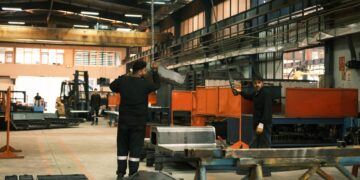
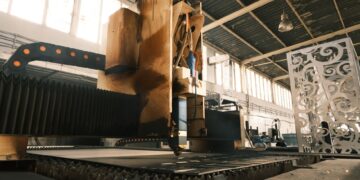
The latest reading for Turkey manufacturing activity reveals a slowing rate of contraction across the industrial sector. The manufacturing PMI climbed to its highest level in three months, signalling that while challenging operating conditions persist, the intensity of the decline has moderated significantly. Factory managers across various manufacturing sub-sectors reported that key operational metrics, while still facing headwinds, are no longer contracting at the steep rates observed in prior months.
This softer pace of contraction reflects a recalibration within industrial supply chains. When a PMI index achieves a multi-month high during an economic downturn, it typically indicates that reductions in new orders, production output, and purchasing activity are easing. For Turkish manufacturers, this movement suggests that domestic and international client demand may be establishing a firmer baseline after a period of prolonged pressure.
The moderation in the decline is particularly relevant for sourcing managers and supply chain directors evaluating Turkish suppliers. A stabilizing manufacturing environment tends to foster greater predictability in production scheduling, input cost management, and order fulfillment timelines. As the drop in activity decelerates, factory operations are better positioned to adjust capacity without the severe disruptions associated with sharper economic contractions.
Industrial Output Challenges: Analyzing July’s Production Slump
Despite the upward trajectory seen in recent survey data, official data indicates that Türkiye’s industrial production was down in July. This contraction in physical output highlights the lag that often exists between survey-based purchasing sentiment and actual delivered factory volumes. While sentiment indicators like the PMI measure month-on-month shifts in trajectory, hard output data reflects historical performance during specific calendar periods.
The downturn in July industrial production underlines the complex environment Turkish factory operators have had to navigate. Supply chain adjustments, fluctuating input expenses, and cautious inventory management strategies directly impacted output levels during the summer month. Manufacturers curtailed overall volume to match current client intake, resulting in a broader pull-back across industrial sectors.
However, comparing the July output drop with the subsequent three-month high in PMI offers a clearer picture of the sector’s direction. The initial dip in industrial production appears to have cleared excess inventory, setting the stage for the softer pace of contraction recorded in subsequent activity reports. This progression suggests that while production volumes felt the strain mid-year, the operational floor may now be solidifying.
Strategic Alliances: Expanding the Turkey-Saudi Arabia Industrial Partnership
Beyond monthly production metrics, structural developments are redefining the broader landscape for Turkish industry. Turkey and Saudi Arabia plan to develop an industrial partnership aimed at deepening commercial ties and enhancing cross-border manufacturing integration. This initiative comes as both nations seek to build resilient supply chains and leverage their respective industrial strengths.
The planned bilateral partnership is expected to open new avenues for joint manufacturing ventures, cross-border investment, and industrial sourcing. For Turkey, aligning more closely with Saudi Arabia provides direct access to strategic capital and expanding export markets in the Gulf region. For Saudi Arabia, collaborating with Turkey’s established industrial base offers direct access to advanced manufacturing expertise and supply chain capacity.
Such cross-border industrial agreements carry substantial implications for global procurement networks. By establishing formal frameworks for industrial cooperation, both countries aim to reduce trade friction, streamline direct investment mechanisms, and encourage technology sharing. This macro-level alignment offers international investors and trade partners a more structured environment for multi-country sourcing strategies.
National Strategy and Industrial Capability: Ankara’s Ambition
The ongoing adjustments in manufacturing output and international partnerships reflect a broader narrative surrounding Ankara’s ambition in the industrial and defense manufacturing arenas. Turkey has increasingly sought to build sovereign manufacturing capabilities and expand its footprint as a major regional production hub.
Enhancing Domestic Manufacturing Autonomy
Central to this strategy is the systematic enhancement of domestic production capabilities. By expanding core industrial sectors and upgrading manufacturing infrastructure, the country aims to reduce reliance on foreign supply chains while increasing the value-add of its own exports. This effort is visible in high-tech and specialized manufacturing segments, where capital investment continues despite short-term economic fluctuations.
Global Sourcing and Export Expansion
Ankara’s broader strategic vision relies heavily on positioning Turkish factories as indispensable partners in global trade networks. As global buyers look to diversify their sourcing footprints, Turkey’s geographical advantage, paired with expanding trade alliances like the proposed partnership with Saudi Arabia, reinforces its standing as a competitive industrial origin.
Outlook and Economic Implications for the Sector
The convergence of a three-month high in PMI data, a softer decline in factory activity, and high-level industrial diplomacy points to a sector in transition. While July’s industrial production figures serve as a reminder of recent headwinds, the overall trajectory suggests that Turkish manufacturing is building resilience against macro-level pressures.
For international investors, procurement teams, and trade analysts, the current environment presents both cautious optimism and strategic opportunities. As the drop in Turkey manufacturing activity continues to ease, supplier reliability and operational planning are likely to improve. Furthermore, multi-national initiatives and structural economic policy directions will remain critical factors to monitor as the sector works toward sustained industrial growth.
Frequently Asked Questions
Is Turkey manufacturing activity currently expanding or contracting?
Turkey manufacturing activity is still contracting overall, but the rate of decline has slowed down significantly, falling at a softer pace as key survey metrics improve.
What did the latest Manufacturing PMI reveal about the sector?
The Manufacturing PMI reached its highest level in three months, signalling that operational conditions, while still challenging, are moving closer toward stabilization.
How did Turkish industrial production perform in July?
Türkiye’s industrial production experienced a drop in July, reflecting output reductions and operational adjustments during that month.
What are Turkey and Saudi Arabia planning regarding industrial cooperation?
Turkey and Saudi Arabia plan to develop an industrial partnership designed to strengthen commercial ties, facilitate investment, and foster regional supply chain collaboration.
Why can the PMI rise while industrial production shows a decrease?
PMI data is a leading indicator based on purchasing manager surveys measuring the rate of change, whereas industrial production figures measure hard physical output from past months, such as July.
What is driving Ankara’s broader industrial ambition?
Ankara’s strategy centers on strengthening domestic industrial capacity, reducing import reliance, and positioning Turkey as a primary, high-value manufacturing and export hub globally.
Sources
- Turkey Manufacturing Activity Falls at Softer Pace – TradingView
- Türkiye’s industrial production down in July – hurriyetdailynews.com
- Turkey and Saudi Arabia plan to develop industrial partnership – UA.NEWS
- Manufacturing PMI at highest in three months – hurriyetdailynews.com
- Ankara’s Ambition – USNI News
Related Reading
- Tax-Free Trading: Why Türkiye’s 19 Free Zones are Perfect for Global Exporters
- $6.7 Billion Exports: Turkey’s Specialized Defense Components
- Asian Investors Strengthen Ties with Türkiye Through New Manufacturing and Logistics Projects
Looking to Source or Invest in Turkey?
Navigating suppliers, regulations and market entry in Turkey can be complex for international businesses. Burç Consulting provides on-the-ground sourcing, investment feasibility and market entry support for companies working with Turkey. Get in touch with our team to discuss your project.