































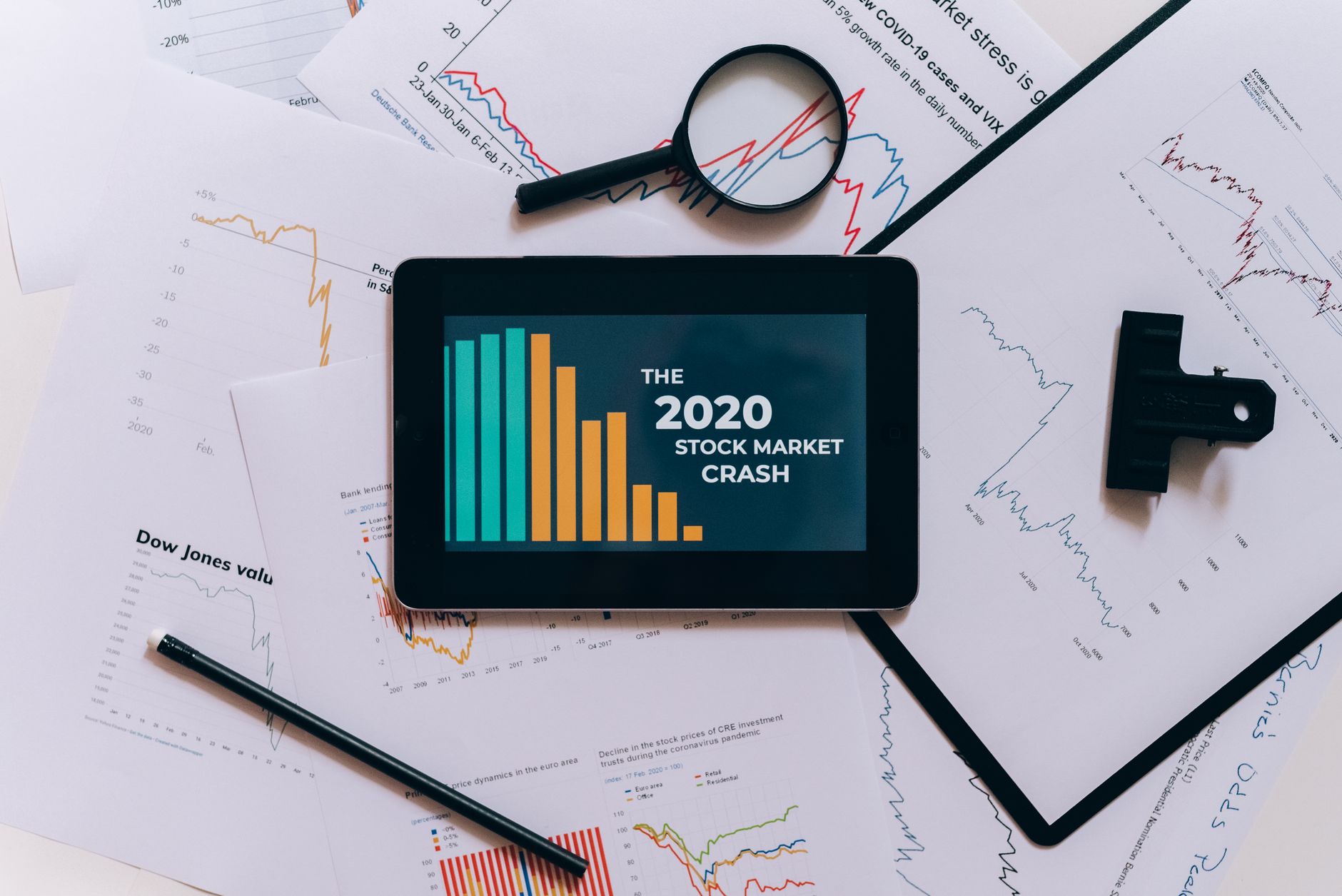
Turkish financial authorities are taking swift regulatory and legal action to address an unfolding turkey stock market scandal that has triggered widespread fund turmoil across domestic capital markets. Law enforcement agencies and financial market oversight bodies have initiated executive detentions, forced liquidations, and trading bans to contain the market disruption. The enforcement campaign focuses heavily on brokerage firms and investment managers, while international market participants simultaneously track broader issues surrounding Turkish banking ties and compliance with Iran sanctions.
Regulatory Response to the Turkey Stock Market Scandal
Turkish financial oversight bodies and judicial authorities have launched a coordinated campaign to stem the fallout from escalating market irregularities. The intervention comes as domestic funds face intense pressure, prompting official bodies to step in directly to preserve market integrity and limit contagion across institutional portfolios. Officials are working to restore order after severe volatility and structural breakdowns threatened stability across domestic asset management channels.
Reports from major financial news organizations indicate that authorities are conducting inside investigations to uncover the root causes of the market disruption. The regulatory strategy combines legal measures against corporate personnel with immediate interventions in fund operations. By intervening rapidly, regulatory bodies aim to prevent further erosion of investor confidence and limit broader systemic spillover into the country’s wider financial architecture.
The containment strategy reflects heightened sensitivity among Turkish policymakers regarding capital market credibility. Market supervision agencies have prioritized identifying operational failures and speculative practices that contributed to the systemic strain. As investigations proceed, regulators are establishing tighter monitoring protocols to ensure market operators adhere strictly to governance standards and solvency requirements.
Detentions of Executives at Tera and Destek Amid Fund Turmoil
As part of the expanding legal proceedings, Turkish law enforcement agencies have detained executives at major financial firms, including Tera and Destek. The detentions mark a significant escalation in official efforts to assign accountability for corporate missteps and market manipulation that fueled fund turmoil in Turkey. Senior management personnel face formal questioning as prosecutors examine executive decision-making, asset allocation practices, and compliance oversight within these institutions.
The focus on executive leadership at Tera and Destek highlights the central role brokerage firms and fund managers play in the transmission of financial stress. Detaining key decision-makers signals a zero-tolerance approach by authorities regarding fiduciary breaches or non-compliant trading activities. These actions have sent strong shockwaves through the local asset management industry, compelling competing management firms to reassess their internal risk management and reporting procedures.
The disruption across these entities has affected institutional and individual investors participating in managed funds. With executive leadership under custody and subject to judicial proceedings, affected firms face operational constraints, management restructuring, and heightened oversight from capital market auditors. The ongoing legal actions emphasize the growing regulatory exposure facing financial executives operating within Turkey’s brokerage and asset management sectors.
Liquidations and Bans Imposed to Contain Fund Turmoil
Beyond law enforcement detentions, Turkish capital market regulators have deployed aggressive administrative tools to stabilize the financial system. Authorities have ordered liquidations of distressed investment vehicles and enacted trading bans against non-compliant entities and market participants. These decisive intervention measures aim to neutralize toxic assets and halt destructive speculative behavior before it further destabilizes fund management operations.
Forced liquidations allow regulators to systematically unwind positions in affected funds, returning available capital to accounts while liquidating positions that pose continuous counterparty risk. Concurrently, targeted bans prevent individuals and entities implicated in trading violations from accessing domestic exchanges. This combination of asset liquidation and participant exclusion serves as a direct effort to clean up institutional order books and re-establish standard market mechanics.
The implementation of liquidations and bans underscores the severity of the fund turmoil in Turkey. Market infrastructure operators and clearing institutions are adjusting risk parameters to accommodate forced unwinds while maintaining liquidity for compliant market participants. The stringent enforcement measures are designed to establish clear boundaries for trading practices and discourage future market abuses.
Banking Sector Connections and Iran Sanctions Context
The domestic stock market crisis takes place against a complex background of international scrutiny regarding Turkish banking ties and international financial compliance. Analysts and observers frequently highlight the broader regulatory environment governing Turkish institutions, referencing high-profile historical and ongoing cases ranging from Halkbank to Golden Global. These banking connections draw significant attention from global regulators, particularly concerning compliance with Iran sanctions and cross-border financial flows.
Oversight of Turkish Banking Ties and Financial Institutions
The financial institutions connecting Turkey to international banking channels operate under intense regulatory review from both domestic authorities and international bodies. Institutional relationships involving entities like Halkbank and Golden Global demonstrate the delicate balance Turkish banks must maintain between regional commerce and global sanctions compliance. Scrutiny regarding Iran sanctions creates additional operational compliance burdens for Turkish financial intermediaries handling cross-border settlements and institutional trade financing.
Strategic Considerations for Investors and Sourcing Partners
For foreign investors, corporate procurement teams, and international sourcing partners, regulatory stability in the banking and capital markets is a fundamental risk metric. Fluctuations in banking compliance, combined with domestic equity market scandals, require international counterparties to exercise heightened due diligence. Companies conducting cross-border commerce with Turkish partners must maintain clear visibility into partner bank clearing operations and institutional financial health.
Outlook and Broader Lessons from the Turkey Stock Market Scandal
The comprehensive intervention by Turkish authorities highlights a critical turning point for capital market governance in the country. By combining criminal investigations into Tera and Destek executives with administrative liquidations and market bans, regulators are seeking to establish a more rigorous supervisory framework. The long-term impact on market liquidity and institutional participation will depend on the speed and transparency with which authorities resolve the current enforcement actions.
Going forward, market participants expect enhanced regulatory oversight, stricter risk reporting rules, and closer monitoring of brokerage activities. As authorities work to bring the turkey stock market scandal to a resolution, financial institutions will likely face mandatory compliance upgrades to restore international investor trust and safeguard domestic financial stability.
Frequently Asked Questions
What triggered the regulatory intervention in Turkey’s financial markets?
Authorities intervened to stem widespread fallout from a stock market scandal that generated severe fund turmoil across domestic investment management sectors.
Which financial institutions faced executive detentions?
Law enforcement authorities detained executives at financial firms including Tera and Destek amid ongoing investigations into market irregularities.
What administrative measures are regulators using to manage the crisis?
Regulators are implementing forced fund liquidations and issuing trading bans against non-compliant individuals and institutional entities.
How do international sanctions intersect with Turkish banking oversight?
Global regulators closely track Turkish banking ties involving institutions ranging from Halkbank to Golden Global concerning compliance with Iran sanctions.
How does this market turmoil affect international businesses and investors?
Foreign investors and sourcing partners face increased compliance requirements and must perform thorough due diligence on domestic financial intermediaries and fund managers.
Sources
- Turkish authorities rush to stem fallout from stock market scandal – Financial Times
- Turkey Detains Executives at Tera, Destek Amid Fund Turmoil – Bloomberg.com
- From Halkbank to Golden Global: Iran sanctions and Turkey’s banking ties – Iran International
- Turkey Acts to Stem Fund Turmoil With Liquidations and Bans – Bloomberg.com
- Inside Turkey’s stock market scandal as authorities rush to contain fallout – Business Standard
Related Reading
- Compliance Made Easy: Türkiye’s Mandatory E-Invoicing and E-Ledger Requirements
- Engineering the Future: Türkiye’s R&D Spending Hits $51 Billion as Tech Ecosystem Matures
- Turkish Fintech Investments Surge to $201.3 Million in Early 2025
Looking to Source or Invest in Turkey?
Navigating suppliers, regulations and market entry in Turkey can be complex for international businesses. Burç Consulting provides on-the-ground sourcing, investment feasibility and market entry support for companies working with Turkey. Get in touch with our team to discuss your project.