



























Turkey is accelerating its commercial momentum on multiple international fronts as the Ukrainian parliament officially ratifies a long-awaited bilateral trade deal and Canada formally launches negotiations for a new comprehensive trade pact. The ratification in Kyiv formally seals an agreement original signed in 2022, establishing a modernized regulatory framework across strategic sectors ranging from agricultural grain and heavy steel to high-tech defense drones. Meanwhile, the opening of formal free-trade talks with Ottawa indicates a broader effort by Turkish policymakers to deepen commercial bridges with key North American economies.
Progress and Ratification of the Ukraine Turkey Free Trade Agreement
The formal ratification of the Ukraine trade deal by the Ukrainian parliament marks the culmination of a multi-year diplomatic process. Signed initially in 2022, the agreement had been awaiting legislative approval to enter into full legal force. This legislative green light provides commercial enterprises in both nations with structured predictability, legal safeguards, and standardized trade protocols designed to reduce tariff barriers and streamline customs clearance.
By solidifying this legislative foundation, both nations establish a permanent institutional channel for cross-border commerce. The timing of the parliamentary ratification underscores a mutual commitment to long-term economic integration, demonstrating that structural trade policy can remain active and forward-looking even amidst complex geopolitical shifts across the Black Sea basin.
Key Sectors and Economic Impact from Grain to Defense
The bilateral arrangement between Kyiv and Ankara covers a remarkably diverse spectrum of industries, reflecting the complementary nature of the two economies. Central to this bilateral pact is trade in agricultural commodities, particularly grain supply chains where both countries play critical strategic roles in global food security. Beyond bulk commodities, the scope of the deal extends into advanced industrial manufacturing and defense technologies, most notably highlighted by collaborative endeavors in drone production and technological integration.
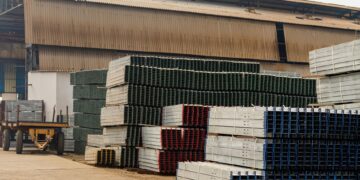
The agreement also introduces specific trade provisions altering conditions for Ukrainian steel products entering the Turkish market. Heavy industry and metallurgy remain foundational to both national economies, and the refined tariff structures established under the trade deal aim to establish clearer rules for steel supply chains. By establishing dedicated terms for raw materials, semi-finished industrial inputs, and finished manufactured goods, the framework supports integrated supply chains across Eastern Europe and Anatolia.
Expanding North American Trade Ties with Canada
While bilateral frameworks in Eastern Europe reach formal ratification, Turkey is simultaneously expanding its economic reach into North America. Canada and Turkey have formally launched talks aimed at establishing a bilateral free-trade agreement. The opening of these official negotiations represents a distinct shift toward codifying bilateral trade relationships that have historically operated under general multilateral commerce rules.
A prospective accord with Canada offers Turkish manufacturers and exporters direct access to one of North America’s premier markets, while offering Canadian enterprises expanded entry into Turkey’s industrial and logistics nexus. Formal discussions are expected to cover a wide range of commercial domains, including tariff reduction schedules, service-sector access, regulatory alignment, and institutional mechanisms for cross-border investment protection.
Practical Implications for Importers, Exporters, and Investors
Strategic Value for Industrial Exporters
For industrial manufacturers and heavy product exporters, the newly ratified agreement with Ukraine and the ongoing dialogue with Canada provide clearer roadmaps for long-term capacity planning. Industrial enterprises in steel, machinery, and defense manufacturing gain from reduced procedural overhead and standardized trade documentation. This structural clarity allows procurement executives to plan cross-border supply lines with lower administrative friction.
Supply Chain Dynamics Across Key Commodities
Agribusiness operators and commodity traders stand to gain improved market access under these trade frameworks. With explicit provisions covering grain trade, agricultural buyers and distributors can establish structured, long-term procurement contracts. The alignment of regulatory standards reduces border bottlenecks, improving the efficiency of bulk logistics and maritime transport routes across international trade corridors.
Legal and Regulatory Frameworks for Cross-Border Investment
For institutional investors and international corporate groups, finalized trade agreements reduce regulatory risk. Parliamentary ratification signals legal permanence, protecting cross-border investments against sudden regulatory shifts. Companies setting up joint ventures—particularly in high-tech defense industries like drone development or specialized steel processing—benefit from standardized dispute resolution channels and legal protections built into these bilateral pacts.
Global Strategy and Future Outlook for Turkey Free Trade Agreement Networks
The dual momentum of ratifying existing trade deals in Eastern Europe and initiating fresh dialogue with North American partners highlights Turkey’s overarching economic strategy. By cultivating a broad network of preferential trade arrangements, Ankara seeks to position itself as an indispensable manufacturing hub and logistics bridge between Europe, Asia, and the Americas.
As formal negotiations with Canada progress and the operational rules of the Ukrainian trade deal take effect, commercial entities across these markets will need to adjust their sourcing strategies to maximize tariff advantages. The continued evolution of Turkey’s trade policy indicates a sustained focus on expanding export markets, attracting foreign direct investment, and securing vital industrial raw materials through binding bilateral commitments.
Frequently Asked Questions
When did Ukraine sign and ratify its free trade agreement with Turkey?
Ukraine originally signed the free trade agreement with Turkey in 2022. The Ukrainian parliament officially ratified and approved the trade deal in a subsequent legislative session to bring the accord into legal force.
What major industries are covered under the Ukraine-Turkey trade pact?
The agreement spans a wide variety of key economic sectors, ranging from agricultural grain commodities and steel products to advanced industrial manufacturing and defense technologies such as drones.
What updates are occurring regarding trade relations between Canada and Turkey?
Canada and Turkey have formally launched official negotiations to establish a bilateral free-trade agreement aimed at lowering trade barriers and enhancing commercial cooperation.
How does the new free trade framework affect Ukrainian steel products?
The trade agreement alters tariff structures and market access conditions for Ukrainian steel products, providing clear regulatory guidelines and trade terms for metallurgical exports into Turkey.
Why is the free trade agreement considered a milestone for Turkey and Ukraine?
The deal represents a milestone because it codifies commercial cooperation across strategic economic sectors—ranging from critical food supplies like grain to high-tech defense manufacturing—creating a legally binding framework for long-term economic integration.
Sources
- Canada, Turkey formally launch talks on a free-trade agreement – Reuters
- From grain to drones, the Ukraine-Turkey free trade agreement marks a milestone in bilateral cooperation – Atlantic Council
- FTA with Turkey: what will change for Ukrainian steel products – gmk.center
- Ukrainian parliament ratifies free trade agreement with Turkey – Ukrinform
- Ukrainian parliament approves free trade deal with Turkey signed in 2022 – Turkish Minute
Related Reading
- Turkey’s Aggressive Free Trade Diplomacy: Unlocking New Markets and Tariff Advantages for Global Partners
- Turkey Opens Access to $150 Million Low-Cost Credit Line for Strategic Manufacturing FDI
- Compliance Made Easy: Türkiye’s Mandatory E-Invoicing and E-Ledger Requirements
Looking to Source or Invest in Turkey?
Navigating suppliers, regulations and market entry in Turkey can be complex for international businesses. Burç Consulting provides on-the-ground sourcing, investment feasibility and market entry support for companies working with Turkey. Get in touch with our team to discuss your project.