




























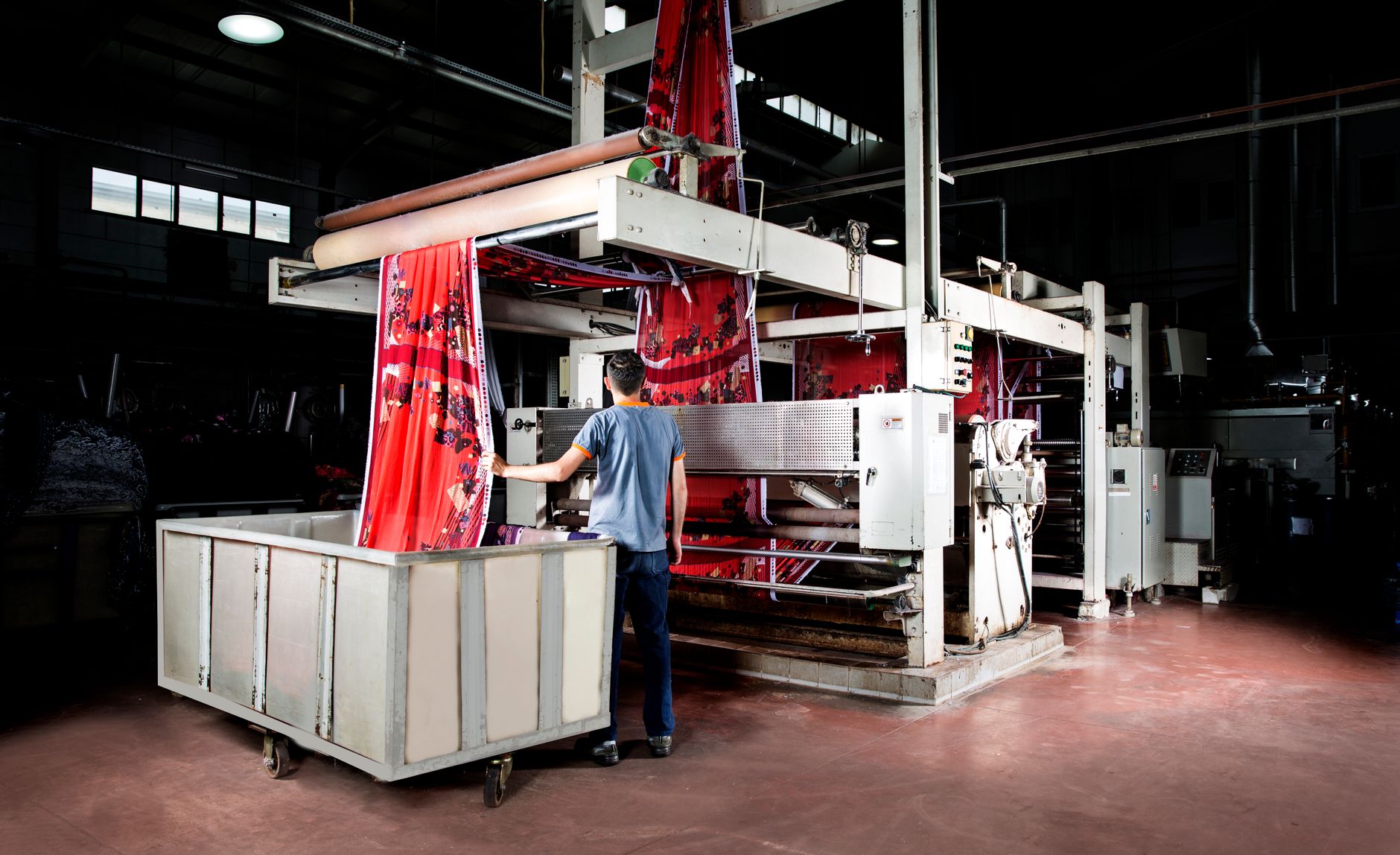
As global trade dynamics undergo profound restructuring, the turkish textile industry is executing a broad strategic realignment designed to solidify its position in international markets. Driven by a concerted push to move up the value chain, manufacturers and policymakers across the country are prioritizing innovation, high-value production, and sustainable practices over low-cost, high-volume manufacturing. This transition comes at a critical juncture as the sector balances operational headwinds, including domestic mill closures, against expanding export opportunities in rising regional markets like Eastern Europe and major trade milestones such as Texhibition Istanbul marking its tenth edition.
Texhibition Istanbul Marks Milestone as Sector Rewrites Playbook
The landmark tenth edition of Texhibition Istanbul underscores a pivotal shift in how Turkish textile suppliers present themselves on the international stage. Over its past ten iterations, the exhibition has evolved from a standard commercial trade fair into a primary platform for showcasing technical innovation, design capabilities, and high-margin fabric production. Industry stakeholders are utilizing such events to demonstrate that the sector’s competitive edge no longer relies on baseline pricing, but rather on sophisticated product development, speed to market, and specialized material creation.
This evolution reflects a deliberate effort to rewrite the operational playbook for domestic suppliers. By focusing heavily on research and development, design integration, and advanced finishing techniques, commercial exhibitions are facilitating deeper technical engagements between suppliers and international fashion brands. Rather than competing solely against low-wage apparel hubs, the focus has pivoted toward premium offerings that demand higher technical expertise and precise quality standards.
Furthermore, events like Texhibition Istanbul serve as vital benchmarks for monitoring broader structural changes across the domestic industrial landscape. The platform allows domestic weavers, knitters, and fabric producers to align their output with changing international buyer demands. This focus on integrated product offerings helps position domestic mills not simply as subcontractors, but as strategic co-design partners within global supply networks.
Moving Up the Value Chain in Reshaped Global Trade
The international trade environment for garments and fabrics is experiencing fundamental shifts, prompting the turkish textile industry to systematically reposition itself within the international supply network. As global trade policies, shipping routes, and buyer priorities undergo rapid recalibration, Turkish producers are seeking to capture greater value at every stage of the manufacturing process. Moving up the value chain requires a strategic pivot away from basic original equipment manufacturing toward complex, specialized textiles, technical fabrics, and fully integrated finished apparel services.
Global trade realignment has highlighted the vulnerabilities of extended, low-cost supply networks. International brand procurement managers increasingly prioritize supply chain agility, vertical integration, and short delivery timelines—areas where localized Turkish manufacturing ecosystems possess distinct inherent advantages. By deepening technical expertise in specialized yarn production, eco-friendly dyeing, and complex garment construction, domestic suppliers are building defensible market positions that protect against pure price competition.
Positioning the nation effectively amid these global realignments involves leveraging structural strengths in regional proximity while continuously upgrading technical capacities. As global sourcing directors seek to de-risk their procurement networks and reduce reliance on single-region sourcing, the ability to deliver high-quality, specialized goods under stringent international quality standards becomes a decisive competitive differentiator. The ongoing transformation aims to secure high-value contracts that justify higher operational standards and offset rising input costs.
Eastern Europe Emerges as Key Growth Market for Apparel
Diversification of export destinations forms a cornerstone of the market strategy for the turkish apparel sector. While traditional Western European markets remain core commercial outlets, Eastern Europe has rapidly emerged as a rising regional market offering significant growth potential. Sourcing managers and fashion retailers across Eastern European nations are increasingly turning to Turkish garment suppliers to fulfill demands for fast turnarounds, flexible order volumes, and dependable product quality.
This geographical shift is accelerated by geographical proximity and efficient overland transport routes connecting industrial centers to Eastern European hubs. Shorter transit times allow retailers in Eastern Europe to maintain leaner inventory levels, respond dynamically to seasonal consumer trends, and minimize markdown risks. The resulting commercial alignment has led to expanded trade relationships and multi-season supply agreements across various product categories, from casual wear to structured tailoring.
Targeting Eastern European buyers also helps balance export portfolios and reduces reliance on singular regional economic cycles. Manufacturers are adapting their product development and commercial outreach to match the specific market dynamics, sizing standards, and pricing strategies required by Eastern European retail networks. This market expansion demonstrates the sector’s capacity to adjust its commercial footprint dynamically in response to regional demand shifts.
Navigating the Sustainable Shift amid Industrial Restructuring
The transition toward eco-conscious production methods represents both an imperative and a challenge for domestic textile manufacturing. The industry is currently executing a sustainable shift supported by policy backing, even as it navigates structural pressures that have resulted in domestic mill closures. Managing this dual dynamic requires balancing short-term operational consolidation with long-term capital investments in eco-friendly technology, water recycling, energy efficiency, and compliant chemical management.
Mill closures reflect ongoing industrial restructuring as inefficient, high-emission, or financially undercapitalized facilities struggle to maintain margins under tightening environmental regulations and fluctuating operational costs. The facilities surviving and thriving through this consolidation phase are generally those that proactive invest in modern, sustainable machinery and international compliance certifications. Government and industry bodies are backing green transformation initiatives to ensure that surviving capacity aligns strictly with global sustainability directives.
Ultimately, the sustainable shift is vital for retaining access to top-tier international fashion brands that strictly audit their upstream supply chains. Compliance with international decarbonization goals, waste reduction targets, and circular material standards is no longer optional for export-oriented mills. By embedding sustainability directly into the manufacturing framework, the sector aims to emerge from industrial restructuring with a leaner, cleaner, and highly resilient operational base.
Strategic Implications for International Buyers and Investors
The transformation taking place across the country’s manufacturing landscape carries direct operational implications for global brand executives, procurement managers, and institutional investors. Navigating this evolving ecosystem requires a nuanced understanding of product positioning, compliance standards, and regional market integration.
Adapting Sourcing Strategies to Value-Added Supply Chains
Global brand buyers must adjust their procurement expectations when engaging with domestic suppliers. As the industrial focus shifts toward higher value-added goods, sourcing teams should look beyond basic unit cost metrics and evaluate total value delivered, including co-design capabilities, advanced material R&D, and fast-track sampling schedules. Partnering with suppliers that offer end-to-end technical solutions allows brands to reduce product development timelines and launch differentiated collections.
Evaluating Sustainability and Compliance Standards
With environmental standards tightening and policy support actively driving green practices, institutional investors and buyers must rigorously evaluate mill-level compliance. Sourcing strategies should prioritize facilities that have integrated modern water treatment, renewable energy usage, and traceable raw material inputs. Engaging with audited suppliers minimizes regulatory and reputational risks across international retail markets.
Leveraging Regional Proximity and Market Networks
Investors and brands expanding across Eastern Europe and adjacent regions can capitalize on established logistics corridors and flexible order frameworks. Utilizing local sourcing networks provides a buffer against global transport disruptions, enabling brands to maintain responsive inventory management strategies tailored to fast-evolving market conditions.
Industry Outlook
The structural transformation of the textile and garment landscape reflects a necessary transition from volume-driven output to value-led competitiveness. As trade fairs like Texhibition Istanbul demonstrate the sector’s refined focus on design and technical excellence, manufacturers are progressively securing higher-value segments within global trade flows. The rise of Eastern Europe as an expanding market highlights the success of ongoing commercial diversification efforts.
While domestic mill closures present near-term operational challenges and reflect pain points associated with industrial restructuring, the backing of sustainable production practices lays the groundwork for long-term survival and relevance. Facilities that successfully integrate green manufacturing techniques and high-spec technical capabilities are well-positioned to maintain their critical role in supplying major international fashion markets. The sector’s future trajectory will increasingly depend on its ability to uphold high compliance standards, foster technical innovation, and agilely serve evolving regional trade networks.
Frequently Asked Questions
How is the turkish textile industry moving up the value chain?
The sector is shifting its focus from low-cost, high-volume basic manufacturing toward technical textiles, specialized fabric development, integrated co-design services, and eco-friendly finishing. This shift allows suppliers to command higher margins and build long-term partnerships with international brands.
What is driving the growth of Turkish apparel exports to Eastern Europe?
Eastern Europe offers rapid geographic access, shorter transit times, and growing retail demand. Turkish manufacturers provide regional buyers with flexible order quantities, fast turnaround times, and consistent product quality, making Eastern Europe an increasingly important market.
Why are domestic mill closures occurring alongside a shift to sustainability?
Mill closures reflect industrial restructuring and economic consolidation. Older, less efficient, or undercapitalized facilities face pressure from rising operational costs and strict compliance standards, while modernized mills receive backing to adopt sustainable practices and advanced technology.
What role does Texhibition Istanbul play in the sector’s strategic strategy?
Marking its 10th edition milestone, Texhibition Istanbul acts as a premier trade platform for showcasing high-end design, innovative material developments, and sustainable fabric solutions to international buyers, helping rewrite the industry’s traditional playbook.
How do global trade realignments impact sourcing from Turkey?
As global brands seek to de-risk long-distance supply chains and implement nearshoring strategies, Turkey’s strategic location, modern production infrastructure, and speed to market make it a compelling hub for high-value sourcing.
How are sustainability initiatives backed in the apparel manufacturing sector?
Sustainability is backed through targeted industry programs, green transition frameworks, and investments in energy efficiency, zero-waste water recycling, and certified eco-friendly materials to ensure alignment with international environmental regulations.
Sources
- Texhibition Istanbul at 10 Years: Rewriting Turkey’s Textile Playbook and Reinventing Its Edge – WWD
- Türkiye’s textile industry looks to move up the value chain – Just Style
- How will Türkiye position itself as global textile trade is reshaped? – textilegence.com
- Eastern Europe emerges as rising market for Turkish apparel sector – Hürriyet Daily News
- Turkey backs sustainable shift amid new mill closures – Ecotextile News
Related Reading
- Baby & Kids Wear: Turkey’s Organic Cotton Export Hub
- Seamless Manufacturing: Turkey’s $1.3B Innerwear & Hosiery
- Turkey Knitted Apparel Nearshoring: Dominance in High-Value Exports
Looking to Source or Invest in Turkey?
Navigating suppliers, regulations and market entry in Turkey can be complex for international businesses. Burç Consulting provides on-the-ground sourcing, investment feasibility and market entry support for companies working with Turkey. Get in touch with our team to discuss your project.