


























Global dynamics across furniture trade and manufacturing are undergoing noticeable shifts driven by packaging re-engineering, changing bilateral trade relationships, energy import adjustments, and major infrastructure investments in regional manufacturing hubs. Turkish exports to Morocco have climbed to $2.2 billion as debates surrounding the current trade agreement gather momentum, while Eurostat reports that Iranian gas exports to Turkey grew by 34% in the first half of 2026, supporting industrial energy demands. Concurrently, packaging leader Mondi is replacing wooden crates for furniture shipments, and international manufacturing capacity is expanding with a planned Rs 3,500 crore mega furniture manufacturing cluster near Gudur in the Nellore district of Andhra Pradesh.
Regional Shifts in Furniture Trade and Manufacturing
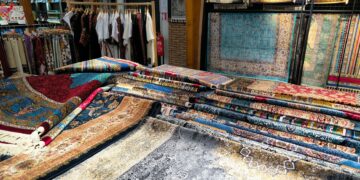
Trade flows between Turkey and North African markets have reached historic milestones, highlighted by Turkish exports to Morocco hitting $2.2 billion. This expansion reflects robust demand for Turkish finished goods and industrial outputs across North African commercial channels. However, the scale of this trade balance has prompted rising calls within Morocco to revise the existing bilateral trade deal to better align mutual economic objectives.
For manufacturers and export strategists, the ongoing trade deal discussions signal a potential shift in tariff structures, market access protocols, and import regulations. Businesses engaged in cross-border commerce are closely monitoring these policy deliberations, as any revisions to the Turkey-Morocco trade agreement could impact duty rates, supply chain timelines, and long-term procurement contracts for consumer goods and manufacturing components.
Supply Chain Innovations in Furniture Trade and Manufacturing
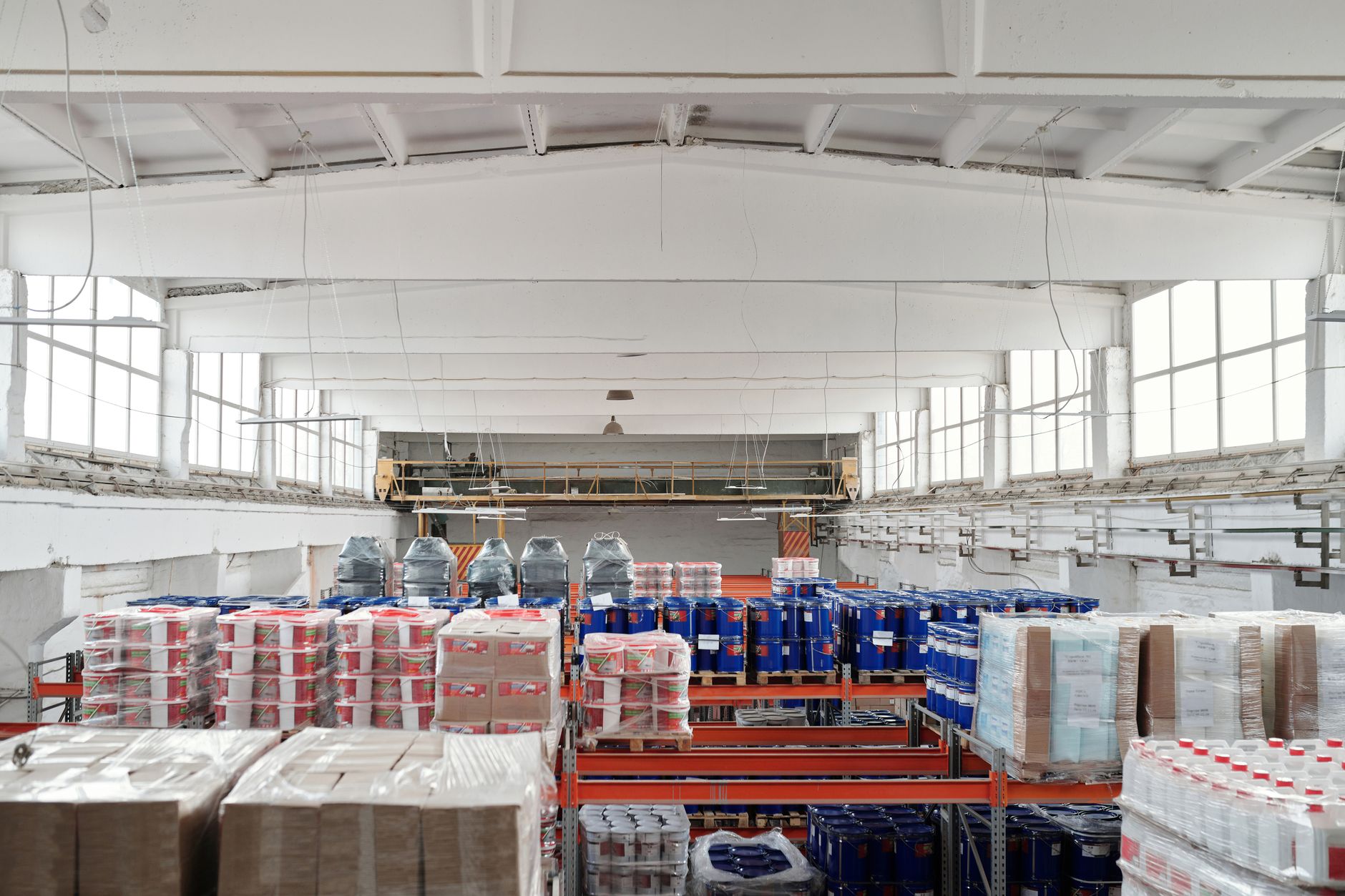
Logistics practices within the commercial sector are adapting to modern sustainability and cost requirements. Packaging specialist Mondi has initiated a process to replace traditional wooden crates for furniture shipments, introducing alternative packaging designs tailored for bulk transit. Wooden crates have historically been the standard for protecting large or fragile furniture pieces during long-distance haulage, but they carry heavy tare weight, high material consumption, and disposal challenges.
By phasing out wooden crates in favor of engineered packaging solutions, furniture manufacturers and freight forwarders can optimize transport volume and lower overall shipping weights. This packaging shift addresses long-standing logistical pain points in furniture distribution, helping reduce freight costs while providing reliable protection against product damage during international transit.
Energy Inflows and Industrial Capacity in Turkey
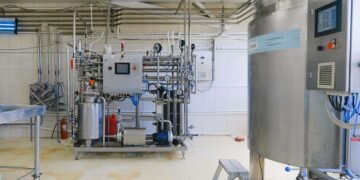
Sustaining high-volume export production requires reliable energy inputs across industrial zones. According to data released by Eurostat, Iran’s gas exports to Turkey grew by 34% during the first half of 2026. Gas supplies serve as a critical energy foundation for Turkish industrial facilities, including ceramics, glass, woodworking, and manufacturing sectors that rely heavily on consistent power for production processes.
The 34% surge in gas imports highlights Turkey’s ongoing effort to maintain sufficient fuel resources for its active export industries. Reliable pipeline gas delivery from Iran supports steady factory operations across Turkish industrial centers, helping maintain production volumes required to fulfill expanding international procurement commitments in Europe, North Africa, and neighboring regions.
Expanding Global Sourcing Hubs: The Gudur Furniture Cluster
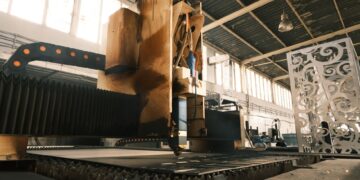
Beyond Mediterranean trade corridors, substantial investments are expanding furniture production capabilities in Asian manufacturing hubs. Development plans have been introduced for a Rs 3,500 crore mega furniture manufacturing cluster near Gudur, located in the Nellore district of Andhra Pradesh. This major infrastructure effort aims to establish an integrated hub dedicated to large-scale furniture production and allied industrial services.
The proposed Gudur furniture cluster is positioned to create concentrated manufacturing facilities, centralized material processing, and specialized logistics corridors. By aggregating raw material processing, assembly lines, and shipment handling in Andhra Pradesh, the project seeks to enhance production efficiency and attract domestic and foreign direct investment into the regional furniture sector.
Practical Implications for Global Buyers and Sourcing Directors
These concurrent global developments offer key considerations for corporate procurement managers and trade analysts:
- Trade Policy Awareness: Importers operating between Turkey and Morocco should prepare for potential adjustments in duty tariffs and regulatory checks as discussions to revise the bilateral agreement proceed.
- Packaging Modernization: Logistics teams handling furniture shipments can evaluate non-wood alternatives such as those introduced by Mondi to optimize transit weight, reduce freight overheads, and streamline container space utilization.
- Energy and Supply Stability: Increased gas inflows into Turkey provide reassurance regarding industrial continuous-run energy access, helping mitigate operational downtime risks for manufacturing plants.
- Diversified Sourcing Options: Procurement directors tracking global manufacturing capacity should monitor the development of the Rs 3,500 crore furniture manufacturing cluster near Gudur for long-term supply chain diversification.
Frequently Asked Questions
What was the total value of Turkish exports to Morocco reported recently?
Turkish exports to Morocco reached $2.2 billion, prompting growing calls from Moroccan stakeholders to revise the existing bilateral trade deal.
Why is Mondi replacing wooden crates for furniture shipments?
Mondi is replacing wooden crates with engineered packaging solutions to offer more efficient, lightweight, and modern protective packaging for transporting furniture items.
How much did Iranian gas exports to Turkey increase in H1 2026?
According to Eurostat, Iran’s gas exports to Turkey rose by 34% in the first half of 2026, helping power industrial operations across the country.
What is the investment value of the planned furniture cluster near Gudur?
The planned mega furniture manufacturing cluster near Gudur, located in the Nellore district of Andhra Pradesh, represents an investment of Rs 3,500 crore.
Which organization published the statistics regarding Iranian gas exports to Turkey?
The statistical agency Eurostat released the official trade data showing the 34% rise in Iranian gas exports to Turkey for H1 2026.
Sources
- Mondi replaces wooden crates for furniture shipments – Packaging Insights
- Iran’s gas exports to Turkey rise 34% in H1 2026: Eurostat – Iran Daily
- Turkish exports to Morocco reach $2.2 billion as calls grow to revise trade deal – HESPRESS English – Morocco News
- Furniture Cluster to come up near Andhra’s Gudur – The New Indian Express
- Rs 3,500 crore mega furniture manufacturing cluster planned near Gudur in Andhra Pradesh’s Nellore distri – The Times of India
Related Reading
- IFCO 2026: Istanbul Set to Host Europe’s Largest Fashion and Apparel Hub this February
- EMITT 2026 Moves to Istanbul Expo Center: A Strategic New Chapter for Global Tourism
- Furniture Exports: Turkey’s $12B Manufacturing Goal by 2030
Looking to Source or Invest in Turkey?
Navigating suppliers, regulations and market entry in Turkey can be complex for international businesses. Burç Consulting provides on-the-ground sourcing, investment feasibility and market entry support for companies working with Turkey. Get in touch with our team to discuss your project.