



























Turkish suppliers are facing a pivotal transition as shifting international trade regulations, evolving tariff policies, and heightened corporate oversight reshape global procurement networks. Recent developments across industrial manufacturing, renewable energy infrastructure, raw material trade, and consumer apparel highlight both new commercial agreements and emerging operational challenges for companies operating within Turkey. As international trade frameworks adapt, business leaders and procurement officers are evaluating how these systemic changes affect risk management and regional manufacturing integration.
Regulatory Pressure and Trade Policies Impacting Turkish Suppliers
European policy proposals are creating notable shifts in cross-border trade expectations, causing significant discussion among industrial exporters and commercial trade groups. The emerging Made in EU initiative has raised widespread concerns among Turkish suppliers that rely on sustained integration with European markets. Because Turkey has long served as a vital manufacturing and nearshoring hub for European businesses, any institutional movement toward prioritizing localized European Union production could alter established commercial channels, supply contract structures, and regional production volumes across key export categories.
Simultaneously, broader international commercial trends demonstrate that global trade policy continues to dictate procurement strategies across multiple industry sectors. Recent economic data analyzing international trade patterns reveals the monumental impact that tariffs exert on sourcing decisions, overall cost structures, and broader supply chain management. High tariff barriers and shifting trade rules force buying organizations to continually re-examine their vendor selection, transit logistics, and landed cost models, placing added emphasis on how non-EU manufacturing partner countries structure their export operations.
For manufacturing entities located in Turkey, navigating this shifting landscape requires balancing competitive pricing against potential regulatory hurdles. As trade mechanisms evolve, Turkish suppliers must address evolving rules of origin, potential tariff adjustments, and changing buyer preferences driven by regional industrial policy directives within key destination markets.
Corporate Accountability and Labor Compliance at Turkish Manufacturing Facilities
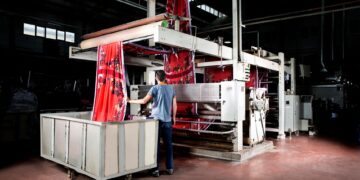
Beyond regulatory and tariff dynamics, international buyers are maintaining rigorous scrutiny over workplace governance and labor relations within their vendor bases. Global retail fashion giants H&M and Inditex are currently facing allegations regarding union-busting activities at a Turkish supplier facility. These claims highlight the ongoing challenges multinational corporations experience when enforcing social compliance standards and labor rights policies across multi-tiered international supply chains.
Labor rights compliance and freedom of association remain critical components of corporate social responsibility audits for multinational brand operations. When allegations of anti-union behavior arise at manufacturing facilities, international buyers face immediate pressure from stakeholders, trade unions, and regulatory bodies to investigate vendor practices. Such incidents underscore the strict governance mechanisms that major global brands enforce to maintain corporate standards, mitigate operational risks, and safeguard brand equity.
To maintain long-term relationships with major multinational clients, suppliers must demonstrate transparent labor relations and proactive adherence to international workplace guidelines. Industrial enterprises operating in Turkey are increasingly required to provide verifiable proof of fair workplace practices, structured labor negotiations, and comprehensive audit compliance to prevent commercial disruptions and maintain supply contract status with tier-one global brands.
Raw Material Procurement and Clean Energy Manufacturing Partnerships
The operational landscape for heavy industry and energy infrastructure in Turkey is simultaneously undergoing strategic realignment. In raw material procurement, data indicates that Turkey’s pig iron imports are concentrating among a smaller pool of international suppliers. Within this narrowing vendor landscape, Russia has further strengthened its lead as the primary origin point for Turkish pig iron imports, reinforcing strategic supply dependencies for regional metallurgical and steelmaking operations.
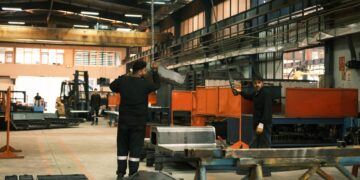
In contrast to raw material supply consolidation, the renewable energy equipment sector is seeing targeted international investment and manufacturing integration. Chinese wind turbine manufacturer Goldwind has secured an agreement to source turbine towers produced in Turkey from manufacturer CS Wind. This partnership underscores Turkey’s growing role as a localized production hub for heavy green-technology components, leveraging local manufacturing capabilities to serve regional clean energy developments.
These combined trends illustrate a dual dynamic within Turkey’s industrial sector. While primary industrial processing remains dependent on concentrated foreign sources for raw inputs like pig iron, high-value manufacturing segments—such as wind turbine tower production—continue to attract major multinational clean energy contracts and international supply chain integration.
Practical Implications for Global Buyers and Industrial Investors
The converging factors of tariff volatility, regulatory trade shifts, compliance scrutiny, and material sourcing concentration require international buyers and corporate investors to adapt their procurement strategies when doing business in Turkey. Organizations must establish multi-layered risk management protocols to maintain reliable operations while meeting international standards.
Managing Supply Chain Compliance and ESG Risks
To avoid supply chain disruptions associated with workplace disputes or brand compliance violations, international procurement managers must implement rigorous site auditing and independent labor oversight mechanisms. Establishing continuous engagement with manufacturing leadership and local worker representatives helps ensure that vendor operational policies align with global Environmental, Social, and Governance (ESG) mandates, minimizing risk exposure for foreign buying entities.
Navigating Tariff Structures and Material Sourcing Concentration
Corporate procurement strategies must also account for shifting raw material dependencies and international trade tariffs. Industrial buyers utilizing steel products or heavy machinery components manufactured in Turkey should monitor raw material input origins, such as concentrated pig iron supply routes. Diversifying material inputs, monitoring international trade policy updates, and reviewing potential tariff exposure enable corporate buyers to build resilient procurement models capable of absorbing sudden regulatory or trade shocks.
Strategic Outlook for Turkish Suppliers and Global Buyers
Looking ahead, the position of Turkish suppliers within global value chains will depend heavily on their ability to navigate complex trade policies while upholding international operational standards. Although initiatives like the Made in EU plan present regulatory questions for regional exporters, Turkey’s competitive manufacturing baseline, geographic location, and established industrial capacity continue to present strategic advantages for global buyers seeking reliable nearshoring partners.
Commercial success for manufacturers operating in Turkey will increasingly require dual focus: maintaining compliance with global corporate governance and labor standards, while developing high-value industrial partnerships in growing markets like renewable energy infrastructure. Organizations that successfully align their operations with international regulatory expectations, secure stable material supply lines, and demonstrate transparent workplace governance will remain well-positioned within the global sourcing landscape.
Frequently Asked Questions
Why are Turkish suppliers concerned about the proposed Made in EU plan?
Turkish suppliers are concerned because the Made in EU initiative emphasizes localized European production and content, which could create trade barriers or reduce export access for non-EU manufacturing partners that traditionally supply European markets.
What labor compliance claims are currently affecting fashion brands operating in Turkey?
Major retail fashion brands H&M and Inditex are facing union-busting allegations linked to operations at a Turkish supplier, emphasizing the heightened international scrutiny surrounding workplace governance and labor rights in apparel supply chains.
How are pig iron import trends shifting for Turkish industrial buyers?
Turkey’s pig iron imports are becoming increasingly concentrated among fewer global suppliers, with Russia expanding its lead as the dominant exporter supplying the Turkish market.
What recent agreement was made in Turkey’s renewable energy equipment sector?
Chinese wind turbine manufacturer Goldwind has reached an agreement to source Turkey turbine towers directly from component manufacturer CS Wind to support clean energy infrastructure production.
What impact do international tariffs have on overall sourcing strategies?
Data indicates that trade tariffs exert a monumental impact on international sourcing by altering landed component costs, driving vendor reallocation, and requiring procurement managers to continuously adapt their global supply chain configurations.
How can global companies mitigate procurement risks when working with suppliers in Turkey?
International companies can manage risk by conducting regular third-party compliance audits, monitoring regulatory trade developments, auditing raw material input chains, and maintaining transparent labor governance standards across all vendor facilities.
Sources
- H&M, Inditex Face Union-Busting Claims at Turkish Supplier – WWD
- Turkey’s pig iron imports concentrate on fewer suppliers as Russia strengthens lead – Steel Orbis
- Made in EU plan raises concerns for Turkish suppliers – hurriyetdailynews.com
- What the Data Reveals About Tariffs’ Monumental Impact on Sourcing – and the Industry – members.asicentral.com
- Goldwind to source Turkey turbine towers from CS Wind – Wind Power Monthly
Related Reading
- Turkey Plastic Houseware: $1.7B Exports & Resilience
- Innerwear & Hosiery: Turkey’s Seamless Tech, $1.3B Exports
- IFCO 2026: Istanbul Set to Host Europe’s Largest Fashion and Apparel Hub this February
Looking to Source or Invest in Turkey?
Navigating suppliers, regulations and market entry in Turkey can be complex for international businesses. Burç Consulting provides on-the-ground sourcing, investment feasibility and market entry support for companies working with Turkey. Get in touch with our team to discuss your project.