







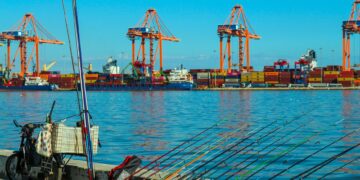
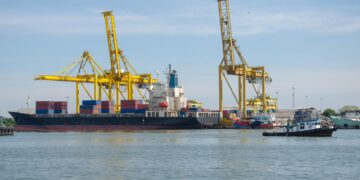














Türkiye is rapidly expanding its position as a global freight crossroad, marked by significant infrastructure investments, strategic bilateral partnerships, and high-value industrial defense commitments. A milestone $750 million loan approved by the Asian Development Bank (ADB) for a new railway line, alongside new bilateral transport agreements with Egypt and Saudi Arabia, highlights how the Türkiye logistics hub is solidifying its role as an essential alternative corridor for international trade. Simultaneously, defense contractor STM has initiated the steel-cutting ceremony for a second logistics support ship for Portugal, underscoring the nation’s multi-faceted industrial and maritime export capabilities.
Multilateral Financing and Rail Connectivity Enhancements
International development institutions are backing Türkiye’s drive to upgrade its domestic and transit infrastructure. The Asian Development Bank has formally approved a $750 million loan dedicated to financing a new railway line. This major capital injection aims to improve overall transport efficiency, reduce bottleneck risks, and increase capacity for long-distance cargo movement across critical commercial corridors. The funding demonstrates global institutional confidence in the nation’s long-term transport infrastructure strategy.
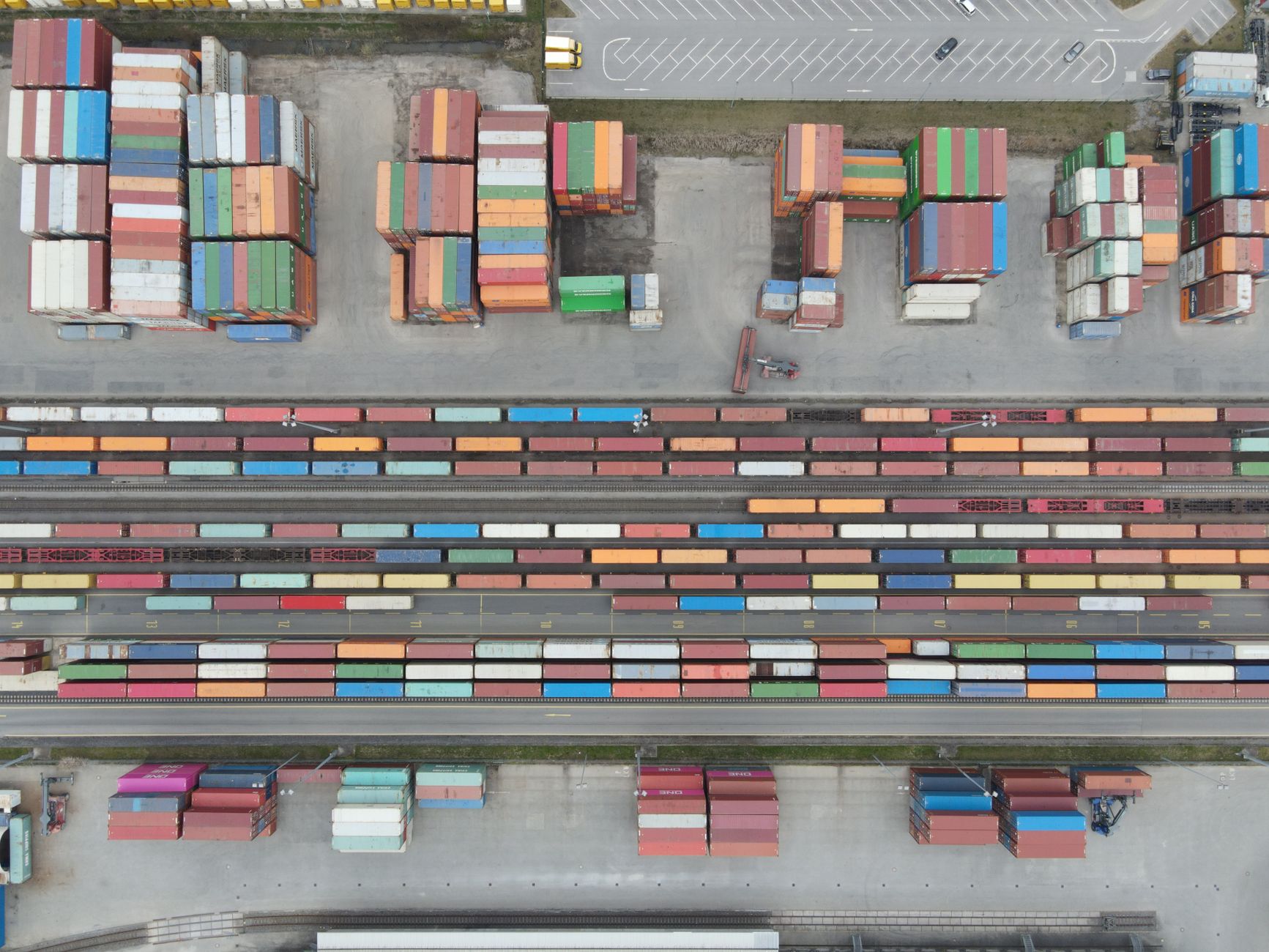
By expanding high-capacity rail lines, the project is designed to enhance connectivity between major production centers, ports, and international border crossings. Rail logistics play a vital role in shifting bulk freight away from congested highway routes onto more sustainable, cost-effective electrified rail systems. Improved rail infrastructure allows logistics operators to offer predictable transit schedules and higher throughput for time-sensitive cargo moving between regional markets.
The ADB-funded railway project forms part of a larger national framework to build integrated multi-modal supply chains. When completed, the upgraded rail network will seamlessly interface with maritime terminals and cross-border land routes, providing seamless intermodal freight solutions. This systematic expansion ensures that Türkiye’s internal transport spine can handle growing volumes of international transit trade driven by shifts in global commercial corridors.
How Bilateral Agreements Strengthen the Türkiye Logistics Hub
To complement domestic rail investments, Turkish authorities are actively expanding international trade partnerships across neighboring regions. Turkey and Egypt have signed a targeted agreement to deepen cooperation along strategic transport corridors. This bilateral partnership focuses on facilitating cross-border transit, streamlining border procedures, and synchronizing logistical services connecting Mediterranean and Middle Eastern trade routes.
In a parallel diplomatic move, Turkey and Saudi Arabia have signed multiple memoranda of understanding (MoUs) dedicated to transport and logistics cooperation. These agreements establish a framework for joint efforts in developing integrated freight networks, improving supply chain efficiency, and harmonizing regulatory structures between the two nations. Cooperation with Saudi Arabia opens streamlined pathways for goods movement between Türkiye, the Arabian Gulf, and broader regional markets.
Together, these agreements reflect a coordinated strategy to build diplomatic and operational bridges across key economic regions. By aligning transport policies with major regional players like Egypt and Saudi Arabia, the Türkiye logistics hub secures critical links along strategic corridors. These partnerships enable shippers to leverage direct, reliable, and standardized operational routes when moving cargo across Europe, Asia, North Africa, and the Middle East.
Diversification of Regional Supply Chains and Alternative Trade Corridors
Global supply chain disruptions and shifting geopolitical dynamics have compelled international businesses to seek resilient, flexible routing options. Türkiye has emerged as a premier alternative trade hub, offering geographic advantages and well-developed logistics infrastructure that connect major global economies. The establishment of stable, alternative transport corridors helps insulate global trade networks from localized maritime chokepoints and unexpected geopolitical friction.
For international buyers, manufacturers, and logistics planners, the availability of alternative trade corridors in Türkiye provides vital operational flexibility. Multimodal freight options—combining rail, maritime shipping, and road transit—allow companies to dynamically re-route shipments based on cost, speed, and reliability constraints. The availability of fully integrated transit networks reduces exposure to single-route dependencies and mitigates supply chain risks.
This emerging status as an alternative trade hub also attracts foreign direct investment into warehouse infrastructure, assembly operations, and regional distribution centers. Investors recognize that operating within a flexible logistics platform offers superior access to diverse destination markets. As global companies continue to optimize their nearshoring and multi-hub strategies, Türkiye’s centralized position and expanding transit capabilities provide a competitive advantage.
Expanding Industrial and Marine Expertise in Defense Logistics
STM’s Progress on Naval Support Vessels
The strength of Türkiye’s broader logistics capabilities is matched by its specialized marine manufacturing and defense export sectors. Defense technology company STM recently achieved a major project milestone by holding the steel-cutting ceremony for a second logistics support ship commissioned by Portugal. This event marks steady progress in fulfilling high-profile international defense contracts and highlights the sophisticated production capabilities of the country’s shipbuilding industry.
Logistics support ships perform vital military and humanitarian roles, enabling sustained operations through overseas supply, refueling, and transport capabilities. Delivering specialized vessels to NATO partners like Portugal reflects the high technical standards, operational efficiency, and international competitiveness of Turkish naval engineering and shipbuilding yards.
Broader Industrial and Logistics Integration
The defense shipbuilding sector operates within the same industrial ecosystem that supports commercial maritime and transport infrastructure. Expertise in manufacturing advanced logistics vessels directly benefits the broader industrial sector by fostering specialized supply chains, skilled labor, and advanced engineering practices. This dual capability—excelling in both commercial transport corridors and high-tech defense logistics manufacturing—demonstrates the comprehensive nature of the country’s industrial growth.
Strategic Outlook for the Türkiye Logistics Hub
The combination of major multilateral project financing, strong bilateral diplomatic agreements, and sophisticated industrial vessel manufacturing establishes a solid foundation for continued growth. As the ADB-funded railway project moves forward, the enhanced rail infrastructure will provide the physical throughput required to support growing freight volumes. Increased rail capacity directly reinforces the commitments made in recent trade agreements with regional partners.
Looking ahead, the operationalization of bilateral MoUs with Saudi Arabia and Egypt will likely yield streamlined customs protocols, increased commercial freight frequencies, and shared investments in corridor infrastructure. These systemic improvements are expected to consolidate transit trade, making the nation an indispensable bridge for cross-continental supply chains.
As global trade patterns continue to evolve toward regional resilience and multi-hub distribution models, Türkiye is uniquely positioned to capitalize on these shifts. Continued capital investment in transport assets, backed by international development banks and reinforced by strategic international partnerships, ensures that the Türkiye logistics hub will remain a cornerstone of international commerce for years to come.
Frequently Asked Questions
Q: How does the ADB loan support the Türkiye logistics hub?
A: The $750 million loan from the Asian Development Bank finances a new railway line designed to expand domestic freight capacity, relieve transport bottlenecks, and enhance connectivity across strategic international trade corridors.
Q: What agreements were signed between Turkey, Egypt, and Saudi Arabia?
A: Turkey signed an agreement with Egypt to cooperate on strategic transport corridors, and signed multiple MoUs with Saudi Arabia to deepen collaboration in transport, freight efficiency, and logistics infrastructure.
Q: Why is Türkiye emerging as an alternative trade and logistics hub?
A: Türkiye offers a strategic geographic location connecting Europe, Asia, and Africa, backed by robust multimodal infrastructure, alternative freight routing options, and modern transit networks that help businesses build resilient supply chains.
Q: What is the significance of STM’s steel-cutting ceremony for Portugal?
A: STM’s steel-cutting ceremony marks the official start of construction for the second logistics support ship built for Portugal, demonstrating Türkiye’s advanced naval shipbuilding capabilities and growing defense export sector.
Q: How do integrated rail networks benefit international buyers and logistics providers?
A: Expanded rail infrastructure provides predictable freight schedules, lower transit costs, reduced reliance on road haulage, and seamless connection to maritime ports, enabling faster and more reliable international cargo movements.
Sources
- STM Holds Steel-Cutting Ceremony for Second Portuguese Logistics Support Ship
- Türkiye emerges as key alternative trade and logistics hub
- Egypt and Turkey sign agreement to enhance cooperation on strategic transport corridors
- ADB Approves $750 Million Loan for New Railway Line Enhancing Türkiye’s Transport and Logistics Connectivity
- Turkey, Saudi Arabia sign transport, logistics cooperation MoUs
Related Reading
- Turkish Salmon Exports Break Records, Surpassing $520 Million in 2025
- Building for 2030: Türkiye’s Infrastructure Boom Prioritizes Green Logistics
- Tax-Free Trading: Why Türkiye’s 19 Free Zones are Perfect for Global Exporters
Looking to Source or Invest in Turkey?
Navigating suppliers, regulations and market entry in Turkey can be complex for international businesses. Burç Consulting provides on-the-ground sourcing, investment feasibility and market entry support for companies working with Turkey. Get in touch with our team to discuss your project.