OEM vs ODM Manufacturing in Turkey: Full Guide
Evaluate the commercial, technical, and legal trade-offs between OEM and ODM production in Türkiye to determine the right operational model for your supply chain.
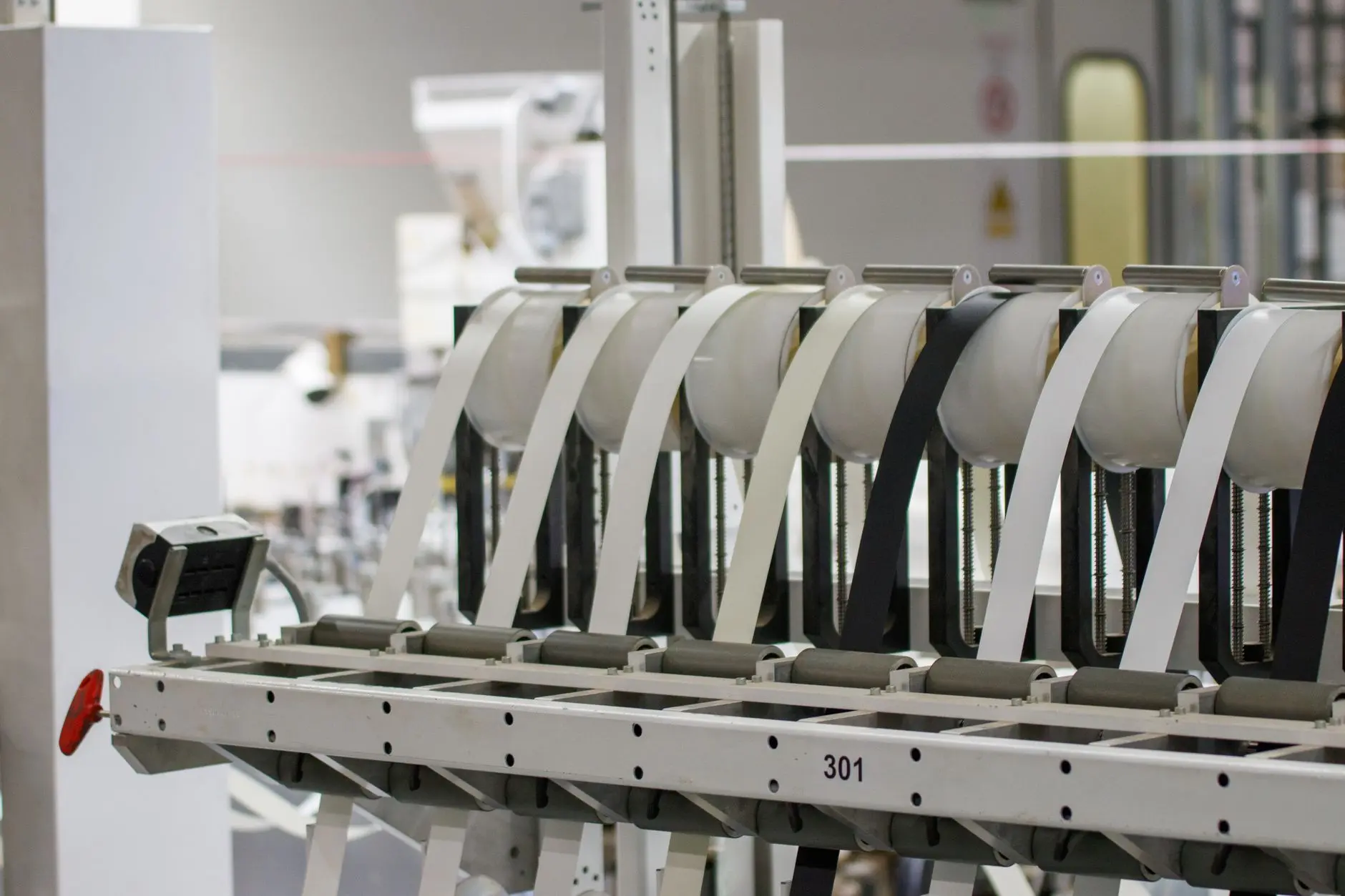
Choosing between Original Equipment Manufacturing (OEM) and Original Design Manufacturing (ODM) determines your product development budget, intellectual property posture, and speed to market when sourcing from Türkiye. OEM is the preferred route for companies holding proprietary engineering drawings, custom tooling, and strict technical specifications who require high-precision build-to-print fabrication. Conversely, ODM provides immediate market access by leveraging a Turkish supplier's existing design catalogue, off-the-shelf tooling, and certified product platforms with white-label modifications.
Key takeaways
- Model definition: OEM requires the buyer to supply complete designs, engineering tolerances, and tooling investment, whereas ODM relies on the manufacturer's pre-existing research, development, and standard tooling.
- Capital allocation: OEM demands higher upfront Non-Recurring Engineering (NRE) costs and longer validation phases, while ODM lowers entry capital at the expense of exclusive design ownership.
- Intellectual property: OEM contracts must explicitly protect buyer-owned blueprints and dedicated molds under Turkish law, while ODM arrangements necessitate clear agreements on brand licensing and regional exclusivity.
- Sector alignment: Türkiye maintains deep OEM capacity in automotive components, industrial machinery, and contract electronics, alongside sophisticated ODM design ecosystems in home appliances, apparel, and furniture.
Understanding OEM vs ODM in the Turkish Industrial Context
Türkiye's manufacturing ecosystem bridges European technical standards and competitive industrial scale. Located within extensive Organized Industrial Zones (OSBs) across cities like Istanbul, Bursa, Kocaeli, Izmir, and Gaziantep, Turkish factories service both global industrial conglomerates and fast-moving retail brands. Navigating this landscape requires understanding how local suppliers handle product development, component sourcing, and intellectual property.
How OEM operates in Türkiye
Under an OEM arrangement in Türkiye, your company operates as the product architect. You deliver a comprehensive Technical Data Package (TDP), including 3D CAD files, 2D engineering drawings with geometric dimensioning and tolerancing (GD&T), a defined Bill of Materials (BOM), and rigorous quality acceptance criteria. The Turkish manufacturer acts purely as an execution partner, supplying factory floor space, machinery, raw material procurement, machining, assembly, and testing.
Because the buyer carries the engineering risk, OEM projects involve extensive sample iterations, including Production Part Approval Processes (PPAP), First Article Inspections (FAI), and dedicated tooling fabrication. Turkish OEM suppliers, particularly those serving Western European supply chains, operate under strict quality management systems such as ISO 9001, IATF 16949 (automotive), and ISO 13485 (medical devices).
Related guide:Private Label Manufacturing in Turkey: Sourcing Guide
How ODM operates in Türkiye
In an ODM engagement, the Turkish manufacturer owns the underlying product architecture, tooling, and baseline engineering. The factory acts as an integrated R&D house and production facility, developing finished or semi-finished goods that foreign buyers can rebrand. You select a base product from the supplier's existing portfolio and negotiate modifications ranging from simple aesthetic updates (cosmetic colors, custom packaging, and brand labeling) to moderate structural changes (housing variations, custom firmware, or material grade adjustments).
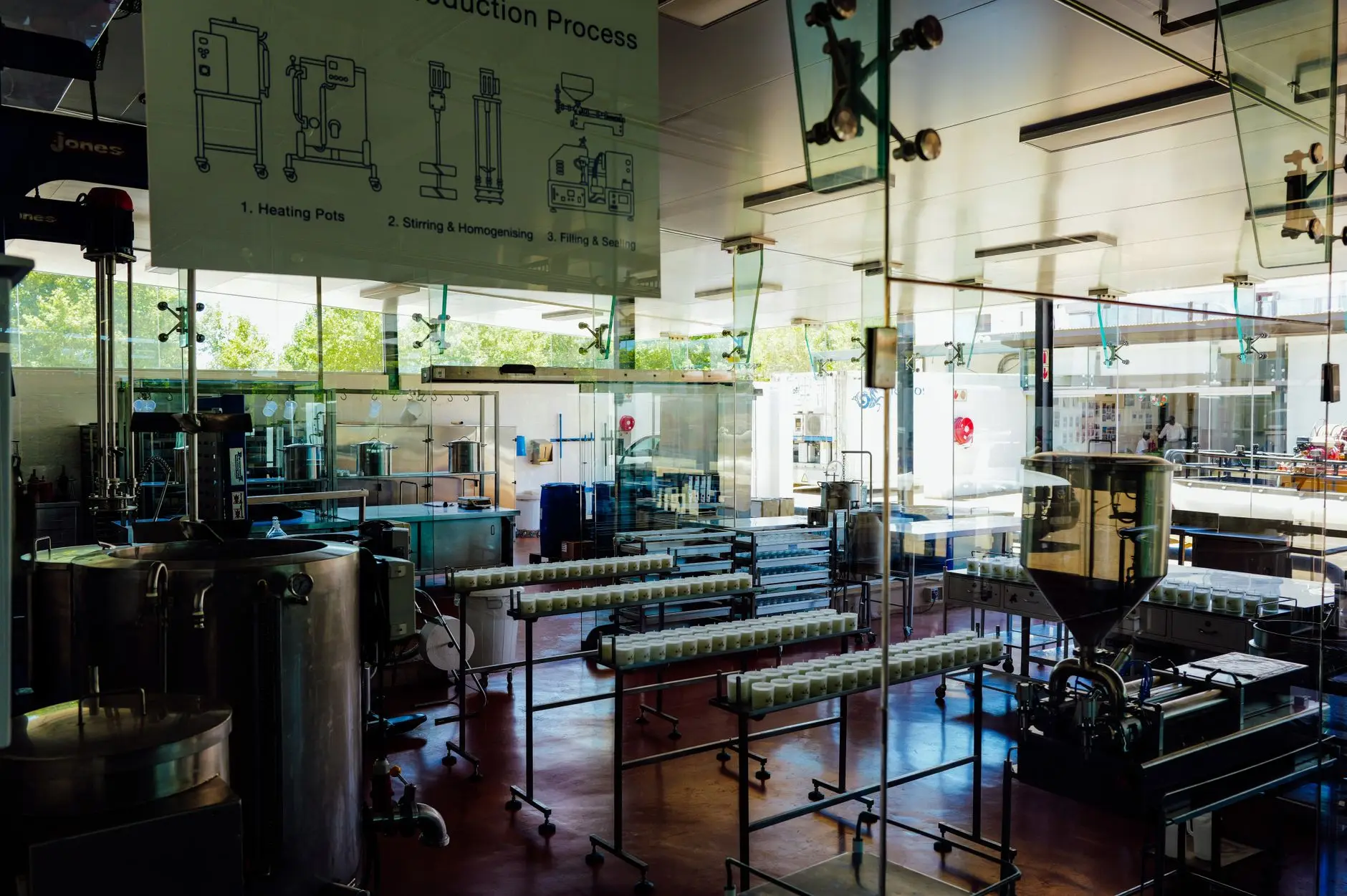
ODM drastically compresses lead times because structural tooling, regulatory testing, and supply chain channels for raw materials are already validated. This model is prominent in Türkiye's home appliances, consumer electronics, fast fashion, home textiles, and personal care sectors, where domestic manufacturers invest heavily in internal design studios and certified testing laboratories.
Comparing Costs, Lead Times, and Minimum Order Quantities
Financial and operational requirements differ substantially between OEM and ODM engagements in Türkiye. Budgeting accurately requires accounting for tooling amortization, minimum order quantities (MOQs), and the development runway.
Capital expenditure and tooling costs
OEM projects require substantial upfront capital for Non-Recurring Engineering (NRE) services, custom stamping dies, injection molds, or assembly fixtures. In Türkiye, mold-making is technically advanced and cost-competitive relative to Western Europe, but high-cavitation steel molds remain a major capital expense. Buyers retain ownership of these assets, meaning the molds must be registered, tagged, and maintained under clear contractual terms.
ODM projects minimize upfront tooling costs because the supplier amortizes existing molds across multiple buyers or production runs. Foreign buyers typically pay low setup fees, which primarily cover custom packaging plates, silk-screening screens, or minor CNC fixture adjustments. However, unit costs for ODM products can be higher than high-volume OEM production runs, as the manufacturer embeds their R&D margins into the per-unit price.
Minimum Order Quantities (MOQs)
MOQs in Türkiye vary by production model and sector:
- OEM MOQs: Driven primarily by raw material batch minimums, machine setup times, and packaging runs. If your custom product uses standard Turkish steel, aluminum, or standard plastic resins, factories may accept moderate trial batches. If your specification requires proprietary chemical blends, specialized alloys, or custom-dyed yarns, MOQs rise to match the minimum production runs of upstream material mills.
- ODM MOQs: Driven by packaging lines and assembly changeover schedules. Because ODM factories source standard raw materials continuously for multiple clients, they can offer lower MOQs for standard catalog items. Higher MOQs apply only when you request custom casing colors, non-standard finishings, or specialized retail packaging.
Development timelines and speed to market
OEM timelines from initial drawing submission to commercial production typically span several months to over a year, depending on tooling complexity and regulatory certifications. The development path requires tooling design, trial shots (T1, T2 samples), dimension verification, lab compliance testing, and pilot assembly runs.
ODM projects move from selection to shipment rapidly. Since the foundational product is already engineered and safety-certified (such as carrying standard CE marks or RoHS compliance), the timeline focuses on custom branding, packaging design, and trial assembly. Initial production orders can often ship within a few weeks to a few months following sample sign-off.
Sector Strengths: Where OEM and ODM Excel in Türkiye
Industrial concentration in Türkiye dictates which manufacturing model provides the highest operational efficiency. Different industrial clusters possess distinct technical maturity levels for OEM and ODM operations.
Automotive components and industrial machinery: OEM stronghold
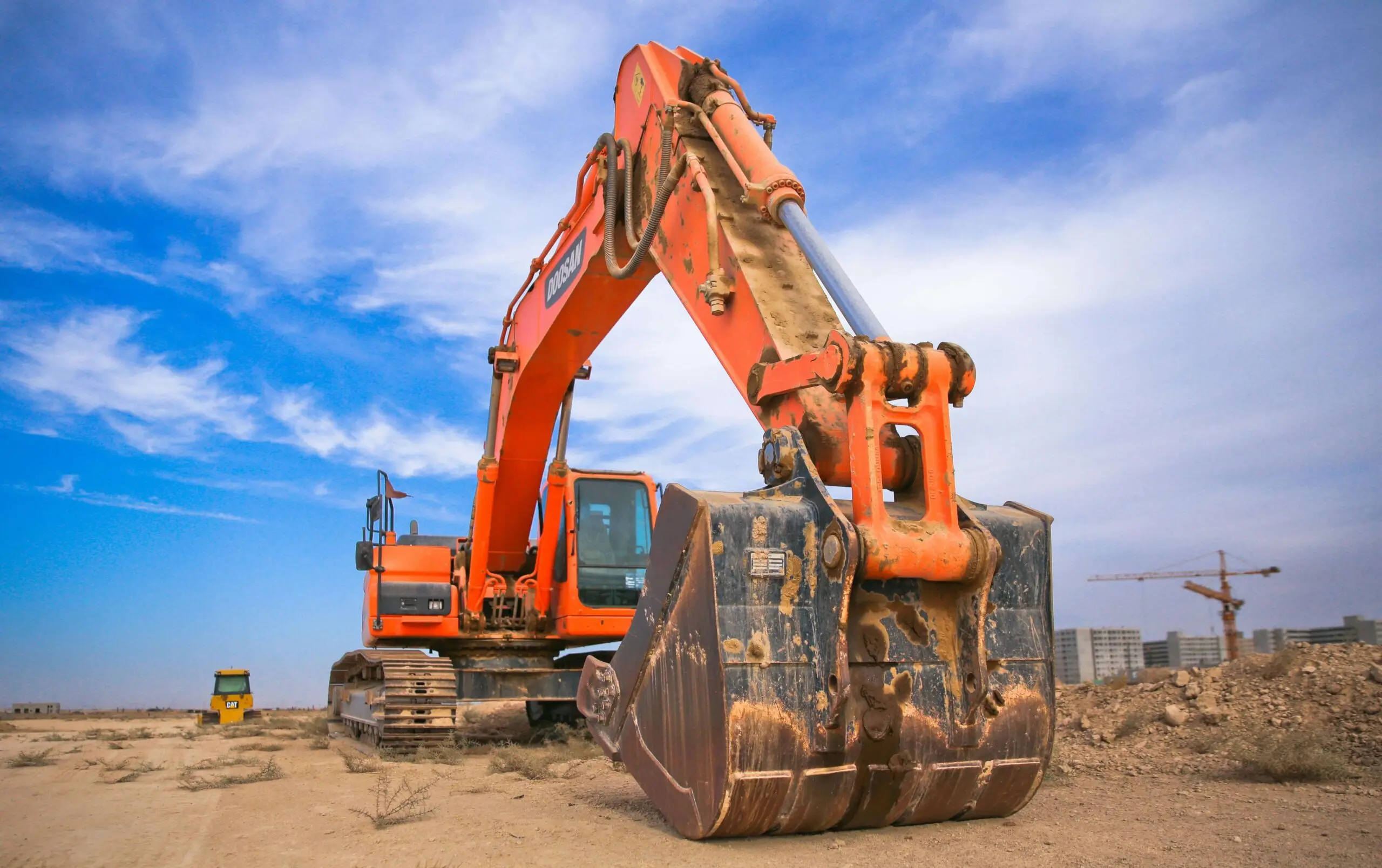
The Marmara and Central Anatolia regions (Bursa, Kocaeli, Sakarya, Ankara, Konya) form one of the world's leading automotive and precision machining hubs. These factories function primarily as Tier 1 and Tier 2 OEM partners to global vehicle and equipment brands. Sourcing custom cast parts, precision CNC-machined components, sheet metal stamping, forged hardware, or custom hydraulic assemblies from Türkiye is almost exclusively an OEM undertaking. Suppliers possess deep expertise in executing tight tolerances, PPAP documentation, and buyer-directed material specifications.
Apparel, textiles, and footwear: Dynamic ODM and Private Label
Türkiye's textile ecosystem, centered in Istanbul, Bursa, Denizli, and Izmir, operates world-class ODM services alongside traditional contract sewing (Cut-Make-Trim or OEM). Turkish design houses track global fashion trends and develop comprehensive seasonal collections. Foreign retailers can select ready-to-produce garments, specify fabrics (such as organic Turkish cotton or recycled synthetics), apply custom tech packs, and brand the items. For technical activewear or specialized protective apparel, hybrid models exist where buyers supply performance specifications while the factory handles pattern development.
White goods and consumer electronics: Mixed OEM/ODM platforms
Türkiye is one of Europe's largest production bases for major domestic appliances (MDAs) and consumer displays, anchored by large industrial groups in Manisa, Istanbul, and Çorlu. Here, the ODM model is exceptionally sophisticated. Foreign consumer brands frequently select base platforms for refrigerators, washing machines, ovens, or television sets, customizing user interfaces, aesthetic door panels, energy efficiency ratings, and exterior trim. Concurrently, these same industrial giants offer contract OEM manufacturing for multinational corporations requiring contract assembly according to exact client schematics.
Plastics, packaging, and furniture
In plastic injection molding and commercial packaging, Turkish suppliers offer vast catalogues of standard bottles, closures, and industrial crates on an ODM basis. For custom industrial housings, buyers supply their own tooling under an OEM model. The Turkish furniture sector (located heavily in Kayseri, Inegöl, and Istanbul) functions largely on an ODM basis for residential and hospitality markets, offering extensive catalogues with options for custom upholstery, hardware variations, and private-label flat-pack distribution.
Intellectual Property, Tooling Rights, and Contractual Safeguards
Managing legal risk requires clear contractual boundaries, particularly when deciding who owns the design, who owns the physical production equipment, and how trade secrets are enforced under the Turkish legal framework.
Protecting designs and trade secrets under Turkish law
Türkiye is a member of the World Intellectual Property Organization (WIPO) and a signatory to the Patent Cooperation Treaty (PCT), the Madrid Protocol for trademarks, and the Hague Agreement for industrial designs. The Turkish Industrial Property Code (Law No. 6769) provides robust statutory protection for patents, utility models, registered designs, and trademarks.
Foreign buyers must register their trademarks and structural designs with the Turkish Patent and Trademark Office (TÜRKPATENT) before initiating production. Relying solely on foreign registrations leaves your design vulnerable. In an OEM context, comprehensive Non-Disclosure, Non-Use, and Non-Circumvention (NNN) agreements governed by Turkish law and enforceable in local courts are essential to prevent suppliers from using proprietary tooling or blueprints for third-party production.
Tooling and mold ownership protocols
Tooling disputes represent one of the most common friction points in cross-border OEM manufacturing. If you pay for custom injection molds, progressive stamping dies, or specialized assembly jigs, the contract must establish unambiguous ownership:
- Asset tagging: The contract should mandate that the factory permanently affix metal plates to the tooling identifying your company as the exclusive legal owner.
- Bailment agreements: Tooling should be held by the factory under a clear bailment or custodial clause, permitting its use strictly for your production orders.
- Right of extraction: Specify an unconditional right to inspect, audit, and retrieve the tooling upon demand, settling any outstanding undisputed production balances.
- Maintenance and wear: Define the factory's responsibility for routine preventive maintenance, storage in climate-controlled areas, and cycle-count tracking to anticipate tooling refurbishment.
ODM exclusivity and brand licensing risks
The primary legal risk in ODM manufacturing is market conflict. If an ODM supplier develops an attractive, high-performing product, they retain the right to sell that identical physical design to your direct competitors unless you contractually secure exclusivity. Exclusivity agreements in Türkiye generally require performance commitments, such as maintaining specific quarterly purchasing volumes. Ensure that your agreement defines the geographic scope of exclusivity (e.g., North America, the European Union, or specific member states) and explicitly bars the supplier from selling the product under any brand within those designated territories.
Supplier Due Diligence and Capability Assessment
Selecting the right production partner requires verifying whether a factory's declared OEM or ODM capabilities match their actual shop-floor reality. Foreign buyers should take concrete steps to confirm capabilities before committing capital.
Verifying corporate standing and industrial capacity
Do not rely exclusively on digital marketing portals or intermediary claims. Legitimate manufacturing entities in Türkiye are registered with their regional Chamber of Commerce (Ticaret Odası) and Chamber of Industry (Sanayi Odası), such as the Istanbul Chamber of Industry (İSO) or the Aegean Region Chamber of Industry (EBSO). Request the supplier's official Capacity Report (Kapasite Raporu). This state-sanctioned document, issued by the Union of Chambers and Commodity Exchanges of Türkiye (TOBB), details the factory's physical machinery inventory, floor space, registered worker count, and certified annual throughput capacity, verifying whether the supplier is a genuine manufacturer or an unequipped broker.
Evaluating engineering vs. catalog capabilities
To determine if a factory can successfully execute an OEM project, audit their engineering department. Qualified OEM suppliers employ in-house design engineering teams proficient in software like SolidWorks, AutoCAD, or Siemens NX, and maintain dedicated quality assurance laboratories equipped with Coordinate Measuring Machines (CMM), optical comparators, and material spectrometers.
For ODM projects, assess the factory's product development lifecycle. Ask to review their product roadmap, existing patent portfolio at TÜRKPATENT, and testing infrastructure. A reliable ODM partner should have standard technical datasheets, full safety and regulatory documentation, and established relationships with international testing and certification houses.
Regulatory Compliance and Export Logistics
Türkiye's geographic location and trade infrastructure provide distinct commercial advantages for exporting to European, Middle Eastern, and North American markets. Understanding regulatory protocols ensures seamless border clearance.
The EU-Türkiye Customs Union advantage
Türkiye has operated under a Customs Union agreement with the European Union since 1995 for industrial goods. Manufactured industrial products originating in Türkiye or released for free circulation there enter the EU tariff-free when accompanied by an A.TR movement certificate. This framework makes Türkiye an attractive OEM/ODM alternative to East Asian manufacturing hubs for companies serving European consumers, reducing import duties and transit times.
Standards and certifications
Products manufactured in Türkiye can easily be certified to international regulatory frameworks. The Turkish Standards Institution (TSE) works closely with European standardisation bodies (CEN and CENELEC). When executing OEM or ODM projects destined for global markets, verify that the supplier's standard components, raw materials, and finished goods conform to relevant standards, such as CE directives, REACH chemical compliance, RoHS restrictions, or UL requirements for North America.
Checklist: Choosing and Setting Up Your Turkish Manufacturing Model
- Define your internal IP assets: Audit whether you possess fully engineered 2D/3D CAD files and a validated BOM (directing you to OEM) or if you are seeking a pre-engineered product ready for branding (directing you to ODM).
- Establish capital and volume parameters: Calculate your total available budget for upfront tooling and NRE costs versus your target unit economics and target order quantities.
- Register intellectual property locally: Apply for trademark and, where applicable, industrial design protection directly with TÜRKPATENT prior to sending detailed drawings or brand assets to prospective suppliers.
- Validate supplier industrial capacity: Request the company's official TOBB Capacity Report and Chamber of Industry registration to confirm equipment ownership and workforce size.
- Execute bilingual agreements: Draft comprehensive manufacturing contracts—including NNN, tooling bailment, and quality assurance agreements—with dual-language clauses governed by Turkish law or international arbitration.
- Audit the production facility: Conduct an on-site or third-party engineering audit focusing on quality management workflows (ISO/IATF), incoming material inspection, and testing capabilities.
- Execute structured prototyping: For OEM, commission prototypes and progress systematically through FAI and PPAP stages. For ODM, order production-grade golden samples with complete packaging, labeling, and user documentation.
- Agree on quality and acceptance criteria: Define formal Acceptable Quality Limit (AQL) standards, pre-shipment inspection protocols, and liability terms for defective units before releasing initial production deposits.
Common Mistakes Foreign Companies Make and How to Avoid Them
Navigating the Turkish manufacturing landscape requires avoiding several operational and contractual missteps that can compromise delivery, product quality, or legal standing.
Assuming Western contracts are automatically enforceable
Many foreign buyers issue standard domestic purchase order terms or boilerplate English-language contracts that designate foreign courts without considering local enforcement realities. While Turkish courts recognize foreign judgments under specific reciprocal conditions, enforcing a foreign court ruling can be time-consuming. It is more effective to draft contracts with clear dispute resolution clauses, often naming Turkish commercial courts or recognized arbitration bodies (such as the Istanbul Arbitration Centre - ISTAC), prepared alongside legal counsel well-versed in Turkish commercial law.
Failing to secure formal mold and tooling bailment
In OEM projects, foreign buyers sometimes pay for molds through standard commercial invoices without executing a separate tooling bailment agreement. If a commercial dispute arises, an unscrupulous supplier might withhold the tooling on the factory floor, claiming possessory liens or disputing ownership. Always execute an explicit tooling agreement that includes serial-numbered asset tagging, designated storage obligations, maintenance records, and an unfettered extraction clause.
Neglecting ODM market exclusivity terms
A frequent error in ODM sourcing is assuming that customizing a product's color, packaging, or brand graphics grants exclusive distribution rights. Without an executed exclusivity agreement, the Turkish manufacturer remains legally free to sell the identical base design to competing brands in your home market. Always negotiate explicit territorial and channel exclusivity tied to realistic, milestone-based purchasing volumes.
Overlooking raw material traceability
Türkiye sources raw materials domestically and imports specialized inputs from Europe, Asia, and the Middle East. For OEM projects with strict metallurgical, chemical, or sustainability specifications, buyers must stipulate raw material origin and demand mill test certificates (such as EN 10204 3.1 certification for metals). In sectors like textiles, insist on certified documentation for raw fibers, such as OEKO-TEX or GOTS certificates, to verify provenance before production starts.
Frequently asked questions
What is the core difference between OEM and ODM manufacturing in Türkiye?
In OEM manufacturing, the foreign buyer provides the complete engineering design, technical specifications, and tooling capital, while the Turkish factory handles fabrication. In ODM, the Turkish supplier owns the underlying product design, tooling, and intellectual property, allowing the buyer to purchase ready-made products with custom branding and cosmetic adjustments.
Can a Turkish factory handle both OEM and ODM production?
Yes, many mid-sized and large Turkish industrial manufacturers operate hybrid business models, maintaining an R&D department that designs private-label ODM products while concurrently offering contract OEM manufacturing services for foreign firms that provide their own tooling and blueprints.
How are tooling and mold ownership legally secured in Türkiye?
Tooling ownership is secured by executing an explicit tooling bailment contract under Turkish law, registering payments via identifiable invoices, permanently tagging the physical molds with metal asset plaques indicating your ownership, and establishing an absolute right to audit and retrieve the tooling upon demand.
Are lead times faster with OEM or ODM in Türkiye?
ODM lead times are significantly faster because baseline engineering, factory tooling, and regulatory certifications are already complete, typically allowing production within weeks. OEM lead times require several months to a year to account for mold manufacturing, sample iterations, and technical validations.
Do products made in Türkiye enter the European Union duty-free?
Under the EU-Türkiye Customs Union, most non-agricultural industrial goods manufactured in or released for free circulation in Türkiye enter the European Union free of customs duties when accompanied by a properly certified A.TR movement document.
How do I verify that a Turkish supplier is a direct manufacturer and not a trading agent?
Request the supplier's official Capacity Report (Kapasite Raporu) issued by the Union of Chambers and Commodity Exchanges of Türkiye (TOBB) through their local Chamber of Industry, which details the company's verified machinery list, factory footprint, and registered workforce.
Is it necessary to register my trademark in Türkiye if I am only manufacturing for export?
Yes, registering your trademark with the Turkish Patent and Trademark Office (TÜRKPATENT) is essential. Without local trademark registration, your goods can be vulnerable to bad-faith registrations or customs export detentions if a third party registers your brand name domestically.
More on this topic: Sourcing from Turkey: Manufacturers, Suppliers and Production