Turkish Textile Exports Near $7.2B as Sourcing Evolves
Nine-month export data reveals sustained global demand for Turkish textiles, giving international buyers and brands a strategic anchor amidst broader macroeconomic shifts.
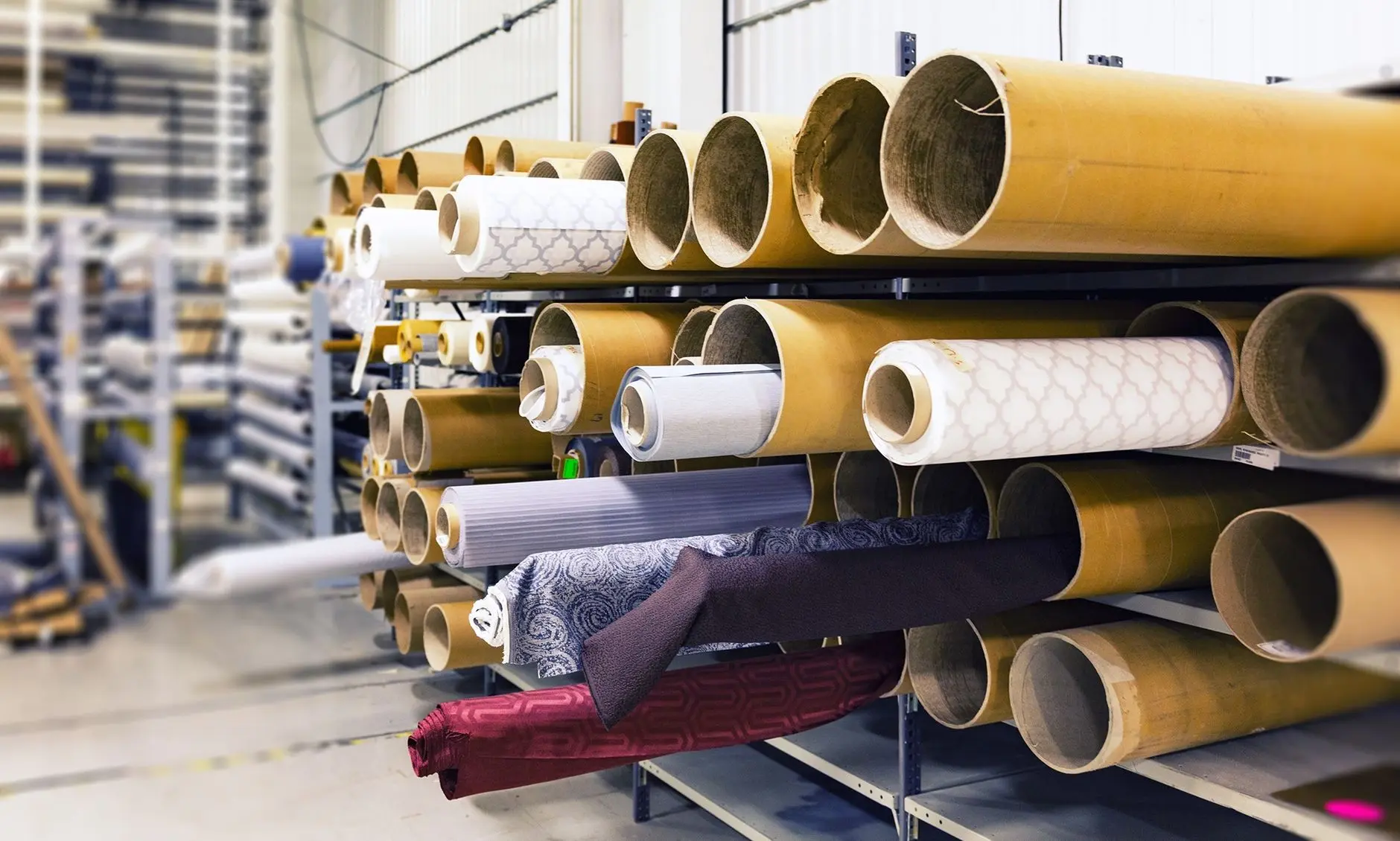
Türkiye's textile industry exported nearly $7.2 billion worth of goods during the first nine months of the year, according to trade data reported by Hürriyet Daily News. The figures, covering the January-to-September period, underscore the resilient position of Turkish mills, yarn producers, and fabric manufacturers within international supply chains despite persistent cost headwinds and changing procurement dynamics across Europe and North America.
Key takeaways
- Sustained export volume: Shipments reached approximately $7.2 billion between January and September, confirming steady demand for upstream and midstream textile inputs.
- Cost environment stabilising: Türkiye’s year-end consumer inflation expectations have settled around 29.6 percent according to market surveys, establishing clearer baseline parameters for production planning and pricing discussions.
- Strategic sourcing appeal: Shorter lead times, proximity to European distribution centers, and flexible production runs continue to support Turkish suppliers over long-haul Asian competitors.
Examining the $7.2 billion milestone in Turkish textile exports
Generating roughly $7.2 billion across three quarters reflects the structural weight of the sector within Türkiye's broader manufacturing base. While the global apparel sector has experienced cautious inventory replenishment over the past year, Turkish textile suppliers have managed to maintain consistent flow across woven fabrics, knitwear inputs, technical yarns, and finished textile accessories. The performance highlights the industry's ability to maintain client relationships in core export destinations across the European Union, the United Kingdom, and the United States.
Rather than relying purely on basic bulk commodities, manufacturers in hubs like Bursa, Denizli, Gaziantep, and Istanbul have increasingly defended their market share by specializing in technical textiles, sustainable fabric alternatives, and rapid turnaround batches. The $7.2 billion export volume demonstrates that international sourcing teams continue to view Türkiye not merely as a marginal supplier for emergency restocking, but as a central production node capable of handling both core and seasonal orders.
The export figures also indicate that supply chain friction in other manufacturing regions—ranging from maritime freight disruptions around key maritime passages to tariff uncertainties—has encouraged procurement managers to keep substantial purchasing volumes close to European consumer markets. For Turkish textile producers, preserving volume during an extended period of conservative consumer spending in Europe represents a noteworthy achievement in capacity utilization.
Macroeconomic backdrop: Inflation expectations and production pricing
A critical consideration for any international company buying from Türkiye is the operational cost environment inside the country. According to survey data reported by Hürriyet Daily News, domestic market participants see Türkiye’s year-end inflation expectations holding steady at approximately 29.6 percent. While this remains elevated compared to developed economies, the leveling off of inflation projections marks a distinct contrast to the extreme volatility experienced in preceding years.
For manufacturing facilities, a predictable inflation trajectory enables more reliable forward budgeting. Labor, domestic transport, and auxiliary inputs are directly tied to local price indices. When inflation expectations stabilise, factory managers are better equipped to quote long-term contracts in euros or US dollars without adding excessive risk premiums to shield against runaway domestic operational expenses.
At the same time, foreign buyers must monitor the relationship between domestic inflation and foreign exchange adjustments. When domestic production costs increase while foreign exchange rates move more slowly, Turkish manufacturers experience margin pressure on export orders denominated in foreign currency. This dynamic has driven local suppliers to tighten operational efficiencies, invest in energy-saving machinery, and negotiate structured price escalators in multi-season purchasing agreements.
What it means for foreign buyers and investors
For international procurement executives, retail brand managers, and direct importers, the robust delivery of turkish textile exports signals that Türkiye remains a reliable manufacturing partner capable of maintaining production schedules under complex macroeconomic circumstances. However, doing business successfully requires understanding the evolving commercial landscape.
First, price negotiations should factor in local cost realities. Sourcing teams seeking bottom-dollar commodity pricing will find steep competition from low-wage hubs in South Asia. Türkiye's competitive advantage lies in speed-to-market, compliance with European sustainability standards, and flexibility with Minimum Order Quantities (MOQs). Buyers should focus negotiations on product innovation, technical specifications, and delivery reliability rather than purely transactional price compression.
Second, foreign firms considering joint ventures, contract manufacturing partnerships, or direct investment into Turkish processing units will find a mature, deeply integrated ecosystem. From cotton ginning and synthetic fiber extrusion to advanced dyeing and finishing operations, Türkiye offers one of the few fully vertical textile value chains located adjacent to the EU single market. The capacity of Turkish producers to hit $7.2 billion in nine months proves that capital invested in local facilities benefits from active, well-established international sales channels.
Optimizing procurement strategies when sourcing Turkish textiles
To capitalize on the stability of the sector while managing operational risks, purchasing directors should consider adjusting their procurement playbooks across several operational areas.
Establishing transparent currency indexation
Given the domestic inflation environment noted in recent economic surveys, setting up transparent, transparently indexed pricing mechanisms can prevent abrupt supplier strain mid-production. Structuring contracts with clear review periods or indexing price adjustments to standardized raw material indexes—such as international cotton or polyester benchmarks—allows both buyer and vendor to share external market risk equitably.
Auditing environmental and traceability credentials
With the European Union moving forward on digital product passports and strict corporate sustainability due diligence directives, international brands must ensure their Tier 2 and Tier 3 fabric suppliers comply with environmental mandates. Turkish mills have invested heavily in wastewater treatment, OEKO-TEX certification, Global Organic Textile Standard (GOTS) verification, and rooftop solar installations to cut carbon footprints, making them attractive partners for brands facing mandatory ESG reporting.
Leveraging nearshoring lead times
Transit times from Turkish production centers to European logistics hubs range from three to seven days via road freight or short-sea shipping routes. Sourcing departments can use this geographical proximity to carry lower buffer inventory, test new product lines with smaller initial orders, and reorder high-demand styles during the retail season, significantly reducing post-season inventory markdowns.
Outlook for the Turkish textile manufacturing ecosystem
Looking ahead toward the close of the annual trade cycle, the sector is positioned to finish the year with healthy top-line totals, supported by sustained demand from regional apparel brands. With year-end inflation expectations anchoring near 29.6 percent, manufacturers and their foreign counterparts can conduct planning for upcoming spring and summer collections with greater pricing visibility than was possible during earlier inflationary spikes.
Longer-term performance will depend on the ability of Turkish exporters to defend margins through higher value-added outputs. As competitors in Asia improve their logistics and sustainability credentials, Türkiye’s textile leadership will increasingly depend on specialized fabrics, functional sportswear textiles, and circular recycling technologies. For international buyers, maintaining active vendor ties in Türkiye provides a vital hedge against global shipping volatility and an essential gateway to rapid-response manufacturing.
Sources
- Turkish textile sector exports nearly $7.2 billion in January-September — Hürriyet Daily News
- Türkiye’s year-end inflation expectations hold steady at 29.6 percent: Survey — Hürriyet Daily News
Frequently asked questions
What was the total value of Turkish textile exports in the first nine months of the year?
Turkish textile exports reached nearly $7.2 billion between January and September, according to trade data published by Hürriyet Daily News.
How does Türkiye's domestic inflation affect textile purchasing prices?
With market surveys showing year-end inflation expectations around 29.6 percent, domestic production costs such as wages and utilities remain elevated, prompting manufacturers to price foreign-currency contracts carefully to protect their operating margins.
Why do European apparel brands source fabrics and materials from Türkiye?
European brands choose Türkiye primarily for its geographical proximity, short transport times, high-quality production standards, and vertically integrated textile mills that can handle both small and large production runs efficiently.
Can foreign companies negotiate long-term fixed-price contracts with Turkish mills?
While possible, many manufacturers prefer contracts that include clear raw material review mechanisms or semi-annual pricing adjustments to account for fluctuations in energy, raw fiber costs, and local operational inputs.
Which textile segments contribute most heavily to Türkiye's export numbers?
The export total encompasses a broad range of products, including cotton yarns, knitted and woven fabrics, home textile inputs, and technical fabrics used in specialized industrial and apparel applications.
Does Türkiye offer certified sustainable textiles for international buyers?
Yes, many Turkish textile producers hold international environmental certifications such as GOTS, OEKO-TEX, and Recycled Claim Standard (RCS), aligning with incoming European ESG and supply chain due diligence requirements.