Turkey Foreign Investment Shifts as Rates Cut to 36%
A policy rate reduction to 36% alongside expanding bilateral trade outreach in Luxembourg and regional hubs reshapes conditions for foreign direct investors and cross-border traders.
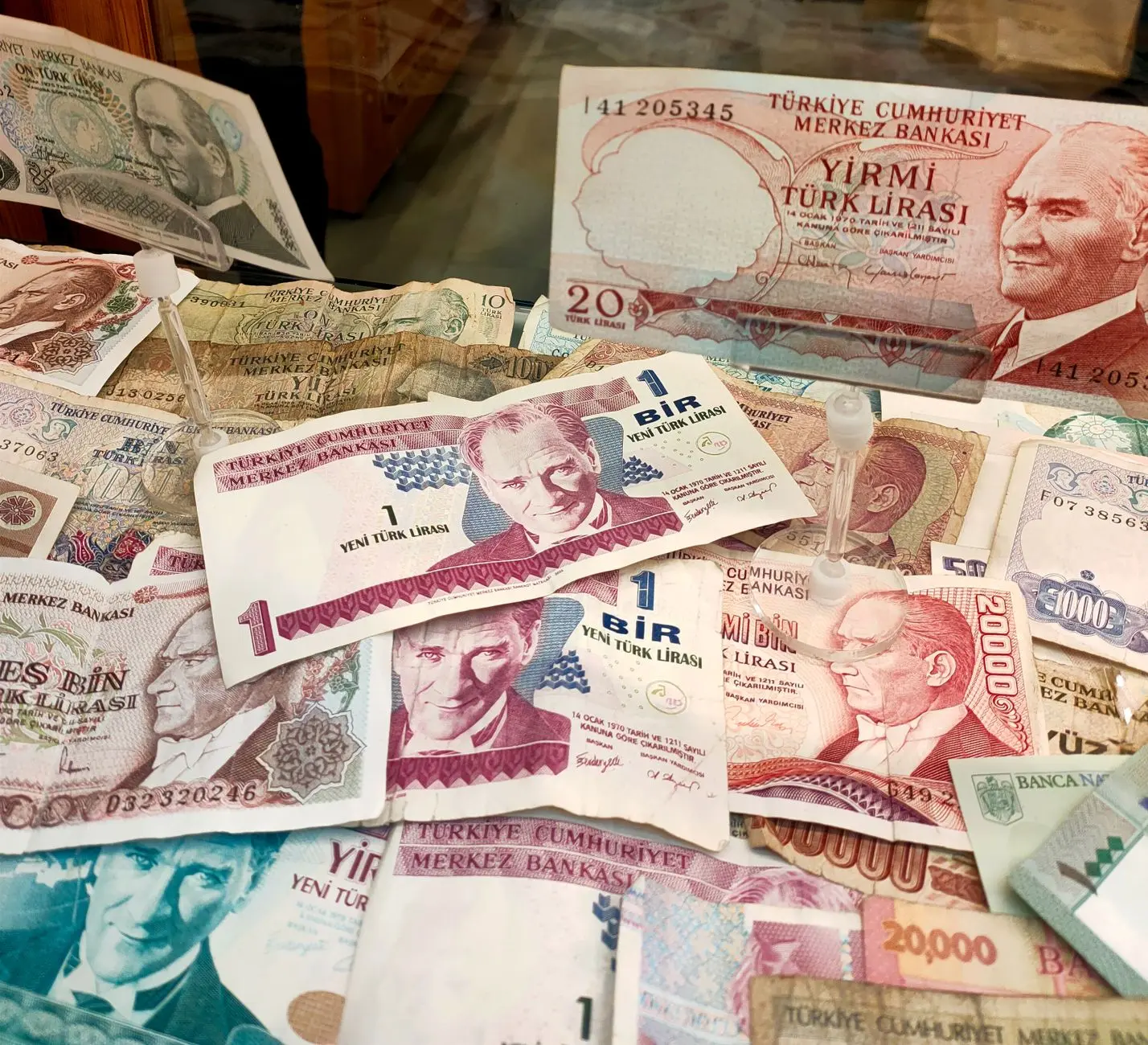
Türkiye’s central bank has lowered its benchmark policy rate to 36 percent, initiating a fresh phase in the country’s monetary cycle that carries direct implications for cross-border capital, foreign exchange volatility, and local borrowing costs. At the same time, commercial networks are actively positioning for new flows: the Turkish Chamber of Commerce in Luxembourg is expanding initiatives to channel Western European capital into Turkish enterprises, while regional commercial delegations, including representatives from Balkh, are holding talks in Türkiye to solidify emerging trade corridors. For multinational firms evaluating turkey foreign investment, this conjunction of shifting monetary parameters and widening trade diplomacy creates a distinct operational backdrop that demands disciplined financial planning.
Key takeaways
- The central bank’s policy rate cut to 36 percent alters currency dynamics against the U.S. dollar, impacting forward hedging and operational margins for international companies.
- European institutional engagement remains active, with bilateral chambers in Luxembourg seeking structured financial and industrial partnerships with Turkish firms.
- Regional trade delegations continue exploring commercial agreements, highlighting Türkiye’s role as a manufacturing and logistics hub between Central Asia, the Middle East, and Europe.
Monetary easing and foreign exchange dynamics under the 36% benchmark
The decision to ease benchmark borrowing costs down to 36 percent marks a notable calibration by Turkish monetary authorities, as reported by EBC Financial Group. After months of maintaining elevated rates to curb domestic price pressures and support the lira, the adjustment reflects policymakers' efforts to balance inflation deceleration with the financing requirements of industrial producers and commercial enterprises. International analysts closely monitor how this interest rate trajectory will influence USD/TRY valuations, as interest rate differentials have served as the core anchor for foreign portfolio flows and commercial credit stabilization.
For foreign corporate treasuries, the easing cycle directly influences the pricing of currency hedging mechanisms, non-deliverable forwards, and local banking credit lines. A reduction to 36 percent signals that while monetary policy remains restrictive in absolute terms, the margin protecting the lira from real exchange rate volatility is narrowing. Financial managers sourcing components or deploying capital in Türkiye must consequently assess how domestic inflation targets align with central bank yield curves to prevent exchange rate fluctuations from eroding export and procurement margins.
Moreover, the cost of working capital within the domestic banking sector is directly tied to this benchmark. Turkish manufacturing suppliers reliant on local lira financing have confronted steep borrowing expenses throughout the tightening cycle. An incremental relaxation of the policy rate offers potential balance-sheet relief to domestic component suppliers, subcontractors, and original equipment manufacturers, potentially moderating the pressure to pass domestic financing expenses onto foreign purchasers.
Guide:Turkish Citizenship by Investment 2026: Complete Guide
Expanding bilateral corridors: From Luxembourg to Central Asian hubs
Parallel to monetary adjustments, international commercial engagement continues to diversify across both established European financial centers and regional frontier markets. In Western Europe, the Turkish Chamber of Commerce is moving to establish stronger economic and financial bridges with Luxembourg, according to the Luxembourg Times. As a premier hub for investment funds, private equity structuring, and cross-border finance within the European Union, Luxembourg offers Turkish enterprises structured access to European capital, while providing European institutional investors regulated avenues to participate in Turkish industrial, tech, and logistics assets.
This European outreach is counterbalanced by sustained commercial interest along eastern trade corridors. According to reporting by TOLOnews, a trade delegation from Balkh recently visited Türkiye to engage in talks on trade facilitation and commercial partnerships. Regional delegations of this nature reflect persistent demand for Turkish manufactured goods, construction materials, and agricultural processing technology across Central and South Asia, reinforcing the country’s standing as an indispensable intermediary supply hub.
Together, these dual-track engagements illustrate how Turkish commercial diplomacy operates across complementary tiers. While European institutional linkages via Luxembourg focus on capital structuring, green financing, and advanced value-chain integration, regional delegations from developing markets focus on direct commodity purchasing, logistics transit, and bilateral distribution networks. This structural diversification provides international businesses investing in Türkiye with dual market access: sophisticated European capital channels on one side and growing export destinations on the other.
What it means for foreign buyers, importers, and investors
For international buyers and procurement executives sourcing from Türkiye, the 36 percent policy rate environment presents distinct commercial variables. In the short term, changes in the USD/TRY exchange rate can influence export pricing structures. Suppliers negotiating long-term purchasing agreements often balance raw material import costs—frequently denominated in hard currency—with local manufacturing overhead paid in lira. Buyers should maintain clear currency adjustment clauses within supply contracts to ensure price transparency as monetary conditions adjust.
For direct investors considering manufacturing facilities, joint ventures, or corporate acquisitions, the prevailing interest rate environment changes capital allocation calculations. While debt financing via local commercial lenders remains relatively expensive at a 36 percent benchmark, lowering borrowing costs from previous peaks alters enterprise valuation models. Cross-border investors deploying hard currency retain significant purchasing power when acquiring industrial assets, modernizing operational machinery, or funding Greenfield facility expansions.
Importers and overseas distributors can also leverage the expanded institutional network being built by organizations like the Turkish Chamber of Commerce in Luxembourg. European businesses seeking verified manufacturing partners in Türkiye often encounter hurdles regarding legal due diligence, cross-border payments, and environmental standards compliance. Bilateral business chambers facilitate vetted partner introductions, regulatory guidance, and dispute mediation mechanisms that reduce market-entry risks for medium-sized enterprises entering the Turkish supply ecosystem.
Managing risk and optimizing capital structure in Türkiye
Navigating the current macroeconomic landscape requires foreign entities to deploy sophisticated financial and operational strategies. Simply monitoring headline exchange rates is insufficient; executives must understand how monetary shifts interact with domestic supplier health and trade logistics.
Structuring trade payments and currency exposure
Foreign importers frequently debate whether to invoice transactions in euros, U.S. dollars, or Turkish lira. With the policy rate at 36 percent, suppliers may display differing appetites for currency denomination. Maintaining contracts denominated in hard currency protects overseas buyers from unexpected price renegotiations driven by domestic lira depreciation. Conversely, buyers with local legal entities in Türkiye can explore selective lira-denominated invoicing paired with rolling forward hedging to take advantage of favorable spot rate differentials.
Evaluating supply chain credit stability
High benchmark interest rates impose substantial financial costs on small and medium-sized enterprises (SMEs) that form the foundation of Türkiye’s tier-two and tier-three manufacturing supplier base. Foreign companies placing large purchase orders should evaluate the debt structures and liquidity buffers of their key suppliers. Utilizing letters of credit, advance payments secured by performance bonds, or structured trade finance facilities can alleviate working-capital pressure on local producers and ensure uninterrupted delivery schedules.
Outlook for turkey foreign investment and monetary policy
The progression of the central bank’s monetary path will remain closely watched by foreign investors throughout upcoming quarterly policy reviews. If headline inflation continues along its projected decelerating path, financial markets anticipate further measured downward rate recalibrations. However, central bank officials have repeatedly signaled that policy normalization will remain data-contingent, with monetary firmness reintroduced if domestic demand or foreign exchange stability faces renewed disruption.
On the commercial front, the initiatives spearheaded by chambers of commerce in European financial capitals and incoming regional delegations demonstrate that cross-border business appetite remains resilient. As multinational corporations continue reconfiguring their global supply networks away from high-risk, single-origin logistics models, Türkiye’s geographical proximity to Europe, skilled labor capacity, and sophisticated industrial base keep it prominently positioned for continued international capital deployment.
Sources
- Turkey Cuts Rates to 36%: What Does It Mean for USD/TRY? — EBC Financial Group
- Balkh Trade Delegation Promotes Trade and Investment in Türkiye — TOLOnews
- Turkish Chamber of Commerce aims to build stronger business ties to Luxembourg — Luxembourg Times
Frequently asked questions
What was the recent central bank interest rate decision in Türkiye?
The central bank lowered its benchmark policy interest rate to 36 percent, initiating an easing phase aimed at aligning borrowing costs with declining inflation trends.
How does a rate cut to 36% affect the USD/TRY exchange rate?
A lower benchmark interest rate compresses real yield differentials, which can put pressure on the Turkish lira against the U.S. dollar if domestic inflation does not decline at a commensurate pace.
Why are bilateral chambers in Luxembourg expanding ties with Türkiye?
The Turkish Chamber of Commerce in Luxembourg aims to connect European investment capital, fund managers, and multinational corporations with commercial and industrial investment opportunities across Türkiye.
What implications does the 36% policy rate have for foreign sourcing contracts?
Foreign buyers must closely manage currency volatility clauses, as shifting exchange rates and domestic borrowing costs influence suppliers' production margins and pricing structures.
Are regional trade delegations still actively engaging with Turkish markets?
Yes, regional business delegations, including groups from Balkh, continue to visit Türkiye to establish bilateral purchasing agreements and explore transit and trade logistics corridors.
How should foreign companies protect their capital when investing in Türkiye?
Investors should utilize structured hard-currency trade finance, establish comprehensive currency risk-hedging strategies, and conduct thorough balance-sheet due diligence on local suppliers and joint-venture partners.
More on this topic: Turkish Citizenship by Investment: Routes, Costs and Process