Turkish Ceramic Tiles Modernize for Export
Turkish tile producers are reinterpreting traditional ceramic forms to capture higher-value export contracts across international hospitality and residential projects.
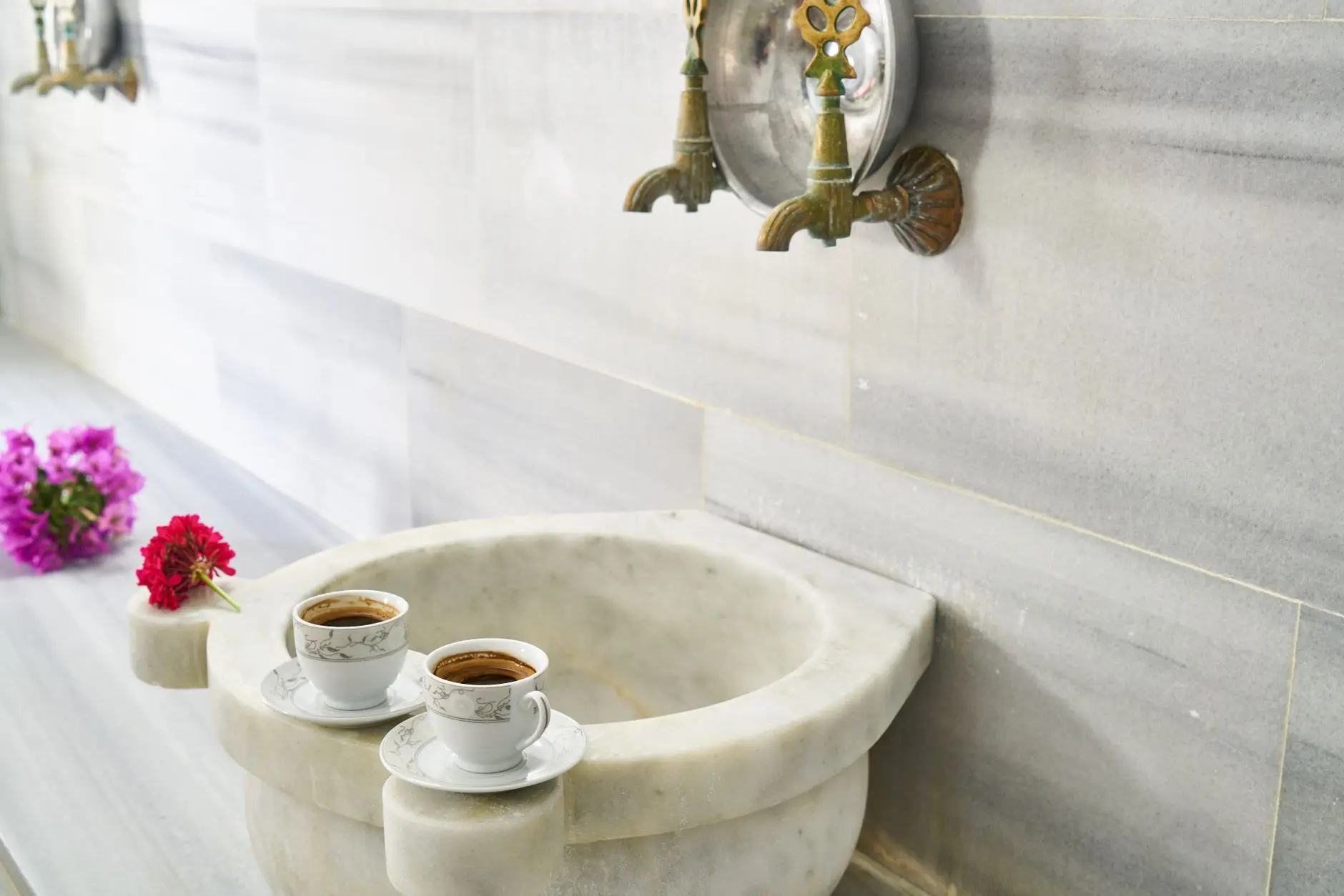
Producers of Turkish ceramic tiles are modernizing historical craftsmanship to meet growing international demand for distinctive, high-specification interior finishes, according to reporting by Arabian Business. As foreign architects, hospitality groups, and residential developers look beyond generic mass-market surfaces, workshop-based and industrial artisans across Türkiye are transforming century-old decorative traditions into contemporary architectural collections designed for export markets.
Key takeaways
- Turkish ceramic tile producers are pairing legacy decorative motifs with modern geometric forms to target high-end architectural and commercial procurement.
- The transition enables foreign buyers to source bespoke, premium wall and floor coverings that offer higher margins than commoditized ceramic products.
- Reliable sourcing requires international importers to balance craft-led production lead times against industrial quality consistency and international standards.
The Evolution of Turkish Ceramic Tiles in Global Architecture
Türkiye holds an established position in global ceramics manufacturing, supported by abundant local clay deposits, feldspar reserves, and an integrated supply chain spanning kilns, glaze chemistry, and firing machinery. Historically celebrated for intricate Iznik patterns and glazed earthenware used in imperial architecture, the country's craft community is now deliberately recalibrating those traditional vocabularies. As highlighted by Arabian Business, contemporary tilemakers are reshaping conventional patterns into minimalist relief profiles, tactile glazes, and modern colorways that integrate cleanly into luxury interior schemes.
This aesthetic pivot addresses a clear opening in the global building materials sector. While large-scale industrial plants continue to churn out porcelain slabs and basic subway tiles, design-led international developers increasingly seek surfaces that provide narrative and texture. Boutique studios and mid-sized factories in Türkiye are bridging this gap, combining hand-pressed shaping techniques with modern gas-fired kilns to produce pieces that retain handmade charm while meeting commercial durability thresholds.
The push also reflects commercial necessity. Facing intense price competition in basic ceramic grades from large Asian manufacturers, Turkish ceramic tiles are being repositioned upstream. By elevating the design quotient, producers avoid pure cost-per-square-meter battles, instead competing in architectural specifications where aesthetic originality commands premium pricing.
Guide:OEM vs ODM Manufacturing in Turkey: Full Guide
Industrial Scale Meets Atelier Flexibility
A key strength supporting this shift is Türkiye’s dual-track manufacturing landscape. The country maintains major industrial ceramic hubs in regions such as Çanakkale, Bilecik, and Kütahya, capable of high-volume porcelain extrusion and automated digital printing. Alongside these industrial complexes sits an extensive network of specialized ateliers and regional workshops that maintain deep technical knowledge of underglaze painting, reduction firing, and bespoke molds.
International contract purchasers increasingly leverage this hybrid structure. Rather than choosing between fully artisanal studios with limited volume or rigid industrial conglomerates that demand massive minimum order quantities, buyers can partner with specialized Turkish facilities capable of intermediate run lengths. These operations can execute custom glazes, atypical geometric formats, and three-dimensional tile profiles while maintaining container-scale fulfillment schedules.
Furthermore, proximity to major European and Middle Eastern logistics corridors gives Turkish producers a practical shipping advantage over competitors further east. Fragile ceramic cargo benefits from shorter overland and short-sea transit times, reducing breakages and allowing project managers to schedule phased deliveries aligned with commercial construction timelines.
What It Means for Importers Sourcing Turkish Ceramic Tiles
For international procurement directors, interior design consultancies, and commercial developers, the modernization of Turkish ceramic tiles provides a direct alternative to higher-priced Western European decorative ceramics. Specifiers can achieve custom textures and artistic finishes at price points that preserve project margins, particularly in boutique hospitality, luxury retail, and upscale residential developments.
However, engaging with design-forward Turkish tilemakers requires structured procurement protocols. Artisanal and semi-industrial producers often operate with variable production cycles, especially when formulating bespoke glazes or hand-pressing complex relief patterns. Foreign buyers must establish clear agreements covering color variance tolerances, glaze crazing thresholds, and water absorption benchmarks prior to volume sign-off.
Contract terms should also explicitly address packaging and transit protection. Decorative tiles featuring three-dimensional relief or delicate terracotta bodies require specialized crating, corner protection, and moisture-controlled container packing to prevent damage during sea and road freight. Clear master service agreements that define sample approval sign-offs and batch testing standards are critical to successful sourcing partnerships.
Managing Sourcing Protocols: Quality, Compliance, and Logistics
Dimensional Tolerances and Glaze Calibration
Design-led tiles often celebrate slight irregularities, but commercial installation requires dependable dimensional stability. Importers must verify whether suppliers adhere to ISO 13006 or EN 14411 standards for ceramic tiles, particularly regarding surface flatness, straightness of sides, and rectangularity. Establishing master control samples for glaze hue and gloss level helps prevent noticeable discrepancies across distinct production batches.
Minimum Order Quantities and Lead Times
Bespoke collections typically entail longer tooling lead times than off-the-shelf industrial lines. Sourcing teams should anticipate four to eight weeks for mold fabrication, prototype sampling, and initial kiln trials. Minimum order quantities (MOQs) at specialized Turkish workshops are generally lower than those demanded by automated mega-factories, offering flexibility for tailored real estate schemes, though unit costs will correlate closely with batch size.
Logistics Corridors and Customs Facilitation
Türkiye's customs union with the European Union simplifies the movement of industrial and ceramic goods into European markets, eliminating customs tariffs when accompanied by an A.TR movement certificate. Shipments destined for the Gulf Cooperation Council (GCC) benefit from established maritime links operating from ports such as Gemlik, Izmir, and Istanbul, providing direct access to regional transit hubs.
Outlook for the Decorative Ceramic Sector
The convergence of architectural design and traditional craftsmanship is set to deepen across Türkiye's ceramic landscape. As commercial buyers demand materials with cultural provenance and tactile character, producers that master both artistic authenticity and rigorous quality control will capture an expanding share of international specification budgets. Sustained success will depend on the industry's ability to maintain competitive energy management in kiln operations and comply with emerging international sustainability standards while continuing to revitalize centuries of craft knowledge.
Sources
- The Turkish Tilemakers Giving Tradition a New Shape — Arabian Business
Frequently asked questions
What makes Turkish ceramic tiles appealing to international developers?
They combine historical artisan aesthetics, hand-glazed finishes, and innovative relief geometries with competitive pricing and established commercial production capabilities.
Are decorative Turkish tiles suitable for heavy commercial foot traffic?
Suitability depends on the tile classification; floor applications require vitreous or porcelain bodies with appropriate PEI abrasion ratings, which buyers must specify alongside decorative requirements.
How does Türkiye's location benefit European and Middle Eastern tile buyers?
Proximity allows shorter shipping transit times via road freight and regional sea routes, lowering breakages, reducing inventory holding requirements, and simplifying site delivery schedules.
What trade documentation is required to import tiles from Türkiye into the EU?
Goods moving into the EU generally require an A.TR movement certificate alongside standard commercial invoices, packing lists, and conformity declarations to claim duty-free status under the customs union.
Can foreign buyers commission custom tile shapes and glaze formulations?
Yes, many mid-sized Turkish workshops and specialized manufacturers readily accommodate bespoke mold development and custom glaze matching for commercial contract volumes.
How should buyers manage color and texture variations in handmade tiles?
Buyers should agree upon accepted color range samples (light to dark limits) and define allowable variation standards in written purchase contracts prior to batch production.
More on this topic: Sourcing from Turkey: Manufacturers, Suppliers and Production