Turkey Green Energy Investment Mobilizes International Funds
Multilateral development banks and global partners are expanding green financing to support industrial decarbonization and renewable energy expansion across Türkiye.
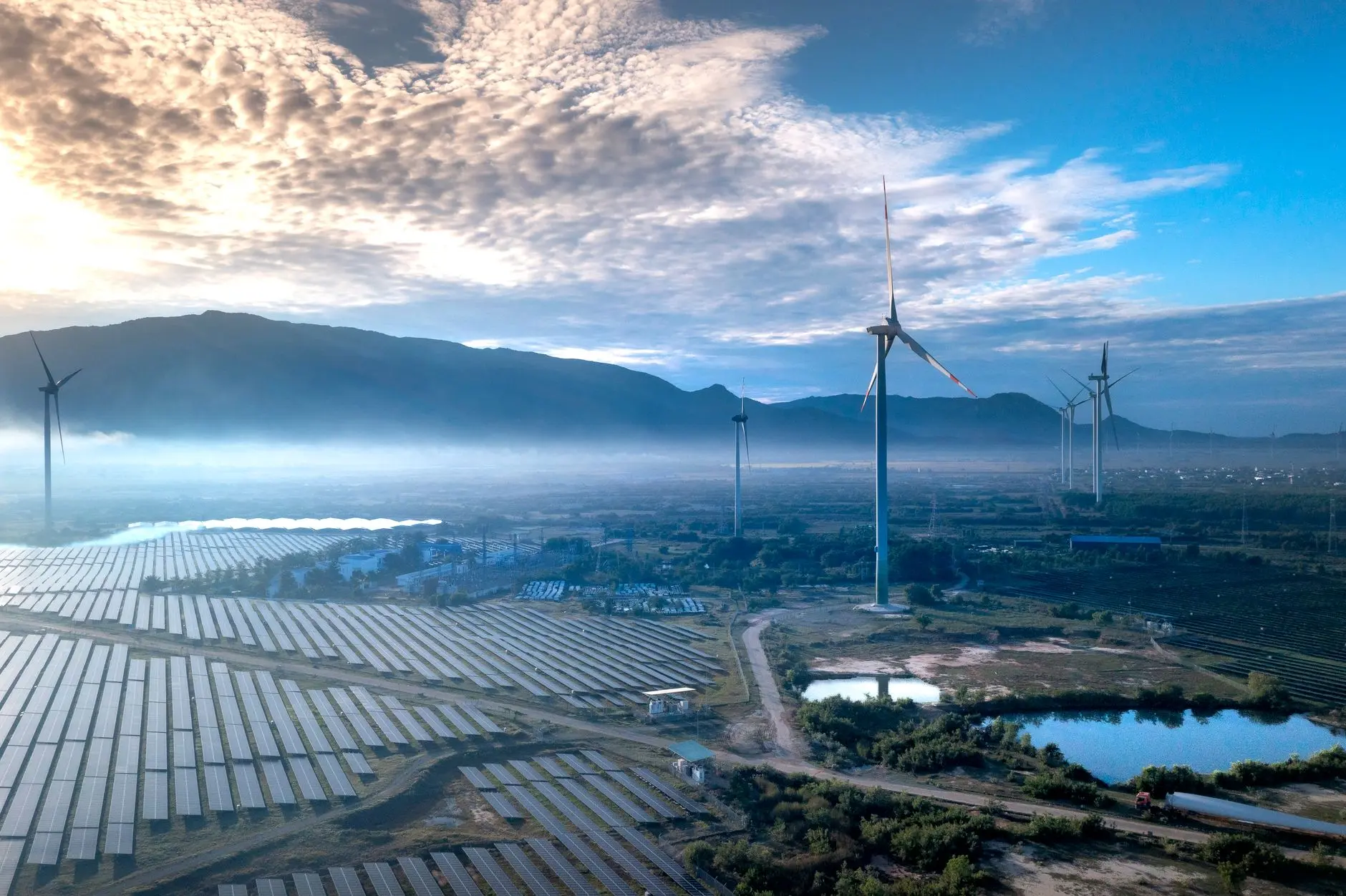
International financial institutions are ramping up funding for green projects in Türkiye, aiming to accelerate the nation's energy transition and assist heavy industries in meeting modern environmental targets. The Asian Development Bank (ADB) and the European Bank for Reconstruction and Development (EBRD) are spearheading major financing initiatives geared toward industrial decarbonization and clean energy deployments across the country. These financial commitments provide international companies and investors with clear channels to participate in Türkiye's expanding sustainable infrastructure ecosystem.
Key takeaways
- Multilateral institutions including the ADB and EBRD are committing significant capital to Turkish industrial decarbonization and clean energy projects.
- Cross-border investment partnerships with emerging markets like Brazil are projected to reach $440 million by 2026.
- Türkiye is simultaneously pushing the European Union to ensure its automotive and manufacturing sectors maintain fair access under upcoming regional sourcing rules.
Multilateral Banks Expand Green Financing for Türkiye
According to reports from Hürriyet Daily News, the Asian Development Bank is providing fresh financing to back industrial decarbonization initiatives across Türkiye. This support focuses on aiding carbon-intensive manufacturing sectors in adopting cleaner operational practices, upgrading machinery, and reducing overall greenhouse gas emissions. The funding comes at a pivotal juncture as Turkish exporters face mounting pressure from international buyers to reduce supply chain emissions.
Simultaneously, the EBRD has highlighted Türkiye as a key market within its recent investment round-ups covering Central and Eastern Europe, the Southern and Eastern Mediterranean, and Egypt. Industry news outlets energynews.pro and PV Tech report that the bank has finalized major clean energy operations involving key global industry entities such as Luxcara. These transactions reflect a growing reliance on blended finance and multilateral backing to derisk large-scale solar, wind, and sustainability projects in the region.
Expanding Global Energy Partnerships and Trade Protections
Beyond traditional Western capital, bilateral trade and investment avenues in clean energy are actively broadening. Reports from Yeni Şafak English indicate that energy investments between Türkiye and Brazil are projected to reach $440 million by 2026. This burgeoning relationship highlights how Turkish firms are leveraging South-South cooperation to expand technology exchange, secure renewable assets, and diversify their foreign direct investment base in green technologies.
While securing green finance, Turkish policymakers are also working to defend the international competitiveness of domestic manufacturers. Anadolu Ajansı reported that Türkiye has officially urged the European Union to safeguard its automotive sector's access to the European market under proposed 'Made in EU' policies. Because Turkish vehicle plants are tightly integrated into European supply networks under the existing Customs Union, securing unhindered trade access is vital for preserving the momentum of sustainable manufacturing investment in the country.
What it means for foreign buyers, importers and investors
For international corporations sourcing manufactured goods from Türkiye, the influx of green energy investment provides a direct path toward lowering scope 3 supply chain emissions. Facilities that tap into ADB and EBRD decarbonization loans can modernize production lines faster, offering foreign importers sustainably produced industrial components, textiles, and automotive assemblies that comply with international ESG requirements.
For foreign energy investors and engineering firms, these developments signal strong multilateral backing that lowers financial risks. International firms specializing in renewable technology, grid storage, and energy management can find expanding market opportunities within Türkiye's industrial zones. Furthermore, clear regulatory alignment between Turkish industrial policy and global environmental standards creates a more predictable framework for direct equity investments.
Navigating Industrial Transformation and Energy Regulations
As international funding flows into Turkish green projects, foreign enterprises operating in or partnering with local factories should monitor how decarbonization targets are implemented on the ground.
Integrating Clean Energy in Supply Chains
Foreign buyers can collaborate with their Turkish manufacturing partners to leverage sustainability incentives. Local producers utilizing green credits offer long-term price stability and reduced vulnerability to future carbon tariffs when exporting to major consumer markets.
Cross-Border Investment Alignment
With strategic capital entering from both multilateral development banks and foreign partners, international investors have opportunities to participate in joint ventures focused on renewable power generation, energy efficiency, and commercial clean technology deployment.
Sources
- Turkey, Brazil energy investments can be $440m by 2026 — Yeni Safak English
- EBRD ROUND-UP: Bank invests in Central and Eastern Europe, Türkiye and Egypt — PV Tech
- EBRD announces three clean energy operations involving Luxcara, Turkey and Egypt — energynews.pro
- ADB to support Türkiye’s industrial decarbonization with financing — Hürriyet Daily News
- Türkiye urges EU to safeguard auto industry access under 'Made in EU' plan — Anadolu Ajansı
Frequently asked questions
How does turkey green energy investment benefit foreign companies?
It provides low-carbon manufacturing options, improved supply chain compliance with ESG standards, and investment opportunities in renewable energy projects supported by multilateral institutions.
Which institutions are financing Türkiye's industrial decarbonization?
Major multilateral lenders such as the Asian Development Bank (ADB) and the European Bank for Reconstruction and Development (EBRD) are actively providing financing for clean energy and decarbonization projects.
What is the expected timeline for Türkiye-Brazil energy investments?
Bilateral energy investments between Türkiye and Brazil are projected to reach up to $440 million by 2026, driven by renewable energy and cross-border technology initiatives.
Why is Türkiye requesting EU trade safeguards for its automotive industry?
Türkiye seeks to ensure that its domestic vehicle and auto parts manufacturers maintain full market access under EU 'Made in EU' initiatives, protecting integrated automotive supply chains.
Are green energy investments expanding to Turkish manufacturing facilities?
Yes, financing from international banks directly targets industrial decarbonization, helping factories upgrade infrastructure, improve energy efficiency, and lower overall operational emissions.