Turkey Energy Investment: $100B Grid Plan Unveiled
Türkiye targets $100B in power grid upgrades by 2040, while domestic energy developers scale clean energy investments across Southeastern Europe.
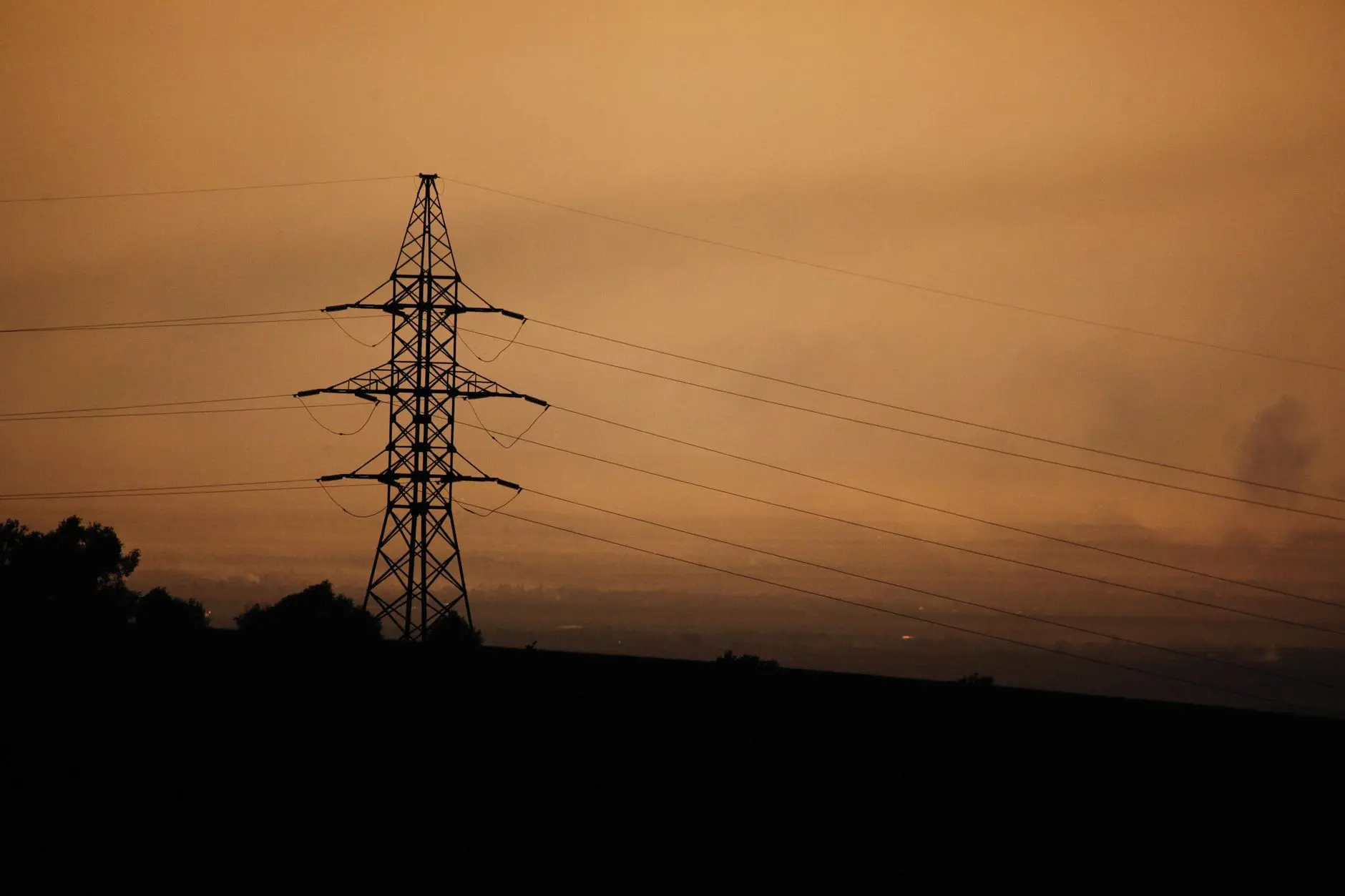
Türkiye has outlined a major strategic roadmap for its power sector, targeting $100 billion in cumulative investments for power grid modernization and infrastructure through 2040. As reported by Daily Sabah and Anadolu Ajansı, the long-term energy vision seeks to fortify transmission networks to absorb growing renewable capacity and keep pace with industrial electricity demand. Simultaneously, Turkish energy developers are extending their footprint across Southeastern Europe, expanding solar and energy storage plans in Romania and deepening commercial presence in markets like Albania.
Key takeaways
- Türkiye’s 2040 energy strategy foresees $100 billion allocated specifically to power grid expansion, transmission upgrades, and network integration.
- Turkish project developers are broadening their international footprint, boosting solar and storage ventures in Romania and expanding investments in Albania to $3.5 billion across 800 companies.
- Foreign manufacturers, engineering contractors, and technology suppliers gain substantial opportunities in high-voltage equipment, grid management systems, and co-investment projects.
Unveiling Türkiye's $100 Billion Grid Strategy to 2040
Türkiye’s Ministry of Energy and Natural Resources is preparing to roll out a comprehensive energy vision extending to 2040, centered around a $100 billion overhaul of the nation’s electrical grid infrastructure. Details reported by Daily Sabah, Caspian Post, and Hürriyet Daily News indicate that the strategy prioritizes grid resilience, system flexibility, and high-capacity transmission corridors. Modernizing the grid is widely seen as a prerequisites for accommodating increased wind and solar capacity without compromising power reliability for industrial hubs.
As Türkiye accelerates its energy transition, structural bottlenecks in transmission lines present operational risks for heavy industry and utility-scale renewable generators alike. The government's roadmap aims to systematically resolve network constraints, integrate high-voltage direct current lines, and install advanced monitoring technologies across the national network according to reports from Anadolu Ajansı. This massive capital commitment reflects Türkiye’s positioning as both a major energy consumer and a regional energy bridge connecting Eastern Europe, the Caucasus, and the Middle East.
Regional Footprint: Turkish Energy Capital Expands in Romania and Albania
Alongside domestic infrastructure upgrades, Turkish industrial and energy firms are actively expanding across Southeastern Europe to capture growing market opportunities. In Romania, Turkish investors are scaling up development plans for utility-scale solar installations integrated with battery energy storage systems, according to reporting by The Romania Journal. Romanian market conditions have attracted Turkish developers seeking to leverage their construction and technical capabilities under the European Union's green transition frameworks.
Further south in the Balkans, Turkish capital continues to consolidate its foothold. Total Turkish direct investment in Albania has reached $3.5 billion, supported by approximately 800 Turkish companies operating across construction, infrastructure, energy, and commercial trade sectors, as reported by Türkiye Today. This cross-border expansion illustrates how Turkish energy players are transforming into regional project developers, creating integrated supply chains across the Black Sea and Balkan corridors.
What it means for foreign investors and equipment suppliers
For international energy technology providers and equipment manufacturers, Türkiye's $100 billion power grid target represents a massive long-term commercial pipeline. The scale of network modernizations will require substantial procurement of high-voltage transformers, switchgear, grid automation software, subsea cables, and battery storage management systems. Foreign vendors specializing in smart grid hardware and artificial intelligence-driven grid optimization are well-positioned to partner with state transmission utilities and private engineering conglomerates.
International financial institutions and private equity firms investigating a turkey energy investment will find an increasingly structured domestic market seeking co-financing and technology transfers. At the same time, multinational companies establishing manufacturing operations in Türkiye can expect improved power supply reliability and cleaner energy mixes as transmission upgrades facilitate higher renewable power intake across industrial zones.
Strategic Pillars of the National Energy Vision
High-Voltage Transmission and Grid Integration
A primary objective of the $100 billion grid investment is expanding transmission bandwidth from power generation centers in Central and Eastern Anatolia to high-demand industrial centers in Marmara and Western Türkiye. Modernizing sub-stations and integrating digital control units will allow grid operators to balance intermittent renewable generation effectively.
Cross-Border Energy Interconnection and Storage
Grid upgrades are closely aligned with plans to deepen interconnection links with neighboring European and regional power grids. Investing in large-scale energy storage systems—both domestically and via outbound projects in markets like Romania—ensures energy security while creating commercial arbitrage opportunities for private grid operators.
Outlook for Türkiye's Energy Sector
The 2040 energy vision establishes a robust framework for long-term power sector growth, emphasizing grid modernizations as the foundation for broader industrial decarbonization. As domestic power networks undergo multi-billion-dollar upgrades, cross-border investments by Turkish firms in Southeastern Europe will likely foster deeper trade links, expanded technical partnerships, and growing foreign direct investment across the regional energy spectrum.
Sources
- Türkiye’s New Energy Strategy Targets $100B Grid Investment — Caspian Post
- Türkiye to unveil 2040 energy vision foreseeing $100B investment | Daily Sabah — Daily Sabah
- Türkiye plans $100 billion investment in power grids — Hürriyet Daily News
- Turkish investment in Albania hits $3.5B with some 800 firms on the ground — Türkiye Today
- Turkish Investors Boost Solar and Storage Plans in Romania — The Romania Journal
- Türkiye envisages $100B investment in power grid under 2040 energy strategy — Anadolu Ajansı
Frequently asked questions
What is Türkiye's new grid investment target under the 2040 strategy?
Türkiye’s 2040 energy strategy targets $100 billion in total investments dedicated to upgrading and expanding national power grid infrastructure.
Which outlets reported on Türkiye's $100 billion energy strategy?
The strategy was reported by major outlets including Daily Sabah, Anadolu Ajansı, Hürriyet Daily News, and Caspian Post.
How active are Turkish energy investors in Romania?
According to reports from The Romania Journal, Turkish developers are boosting project pipelines focused on utility-scale solar power generation and battery energy storage systems in Romania.
What is the scale of Turkish business presence in Albania?
Turkish direct investment in Albania has climbed to $3.5 billion, with roughly 800 Turkish companies operating on the ground across various sectors according to Türkiye Today.
What opportunities does the $100B grid plan create for foreign companies?
The plan creates significant opportunities for international providers of smart grid technology, high-voltage electrical hardware, energy storage systems, and specialized engineering services.