Turkey Green Energy Investment Expands with Climate Hub
Türkiye advances transport decarbonization, climate finance in Istanbul, and solar expansion, despite diplomatic questions over energy deals.
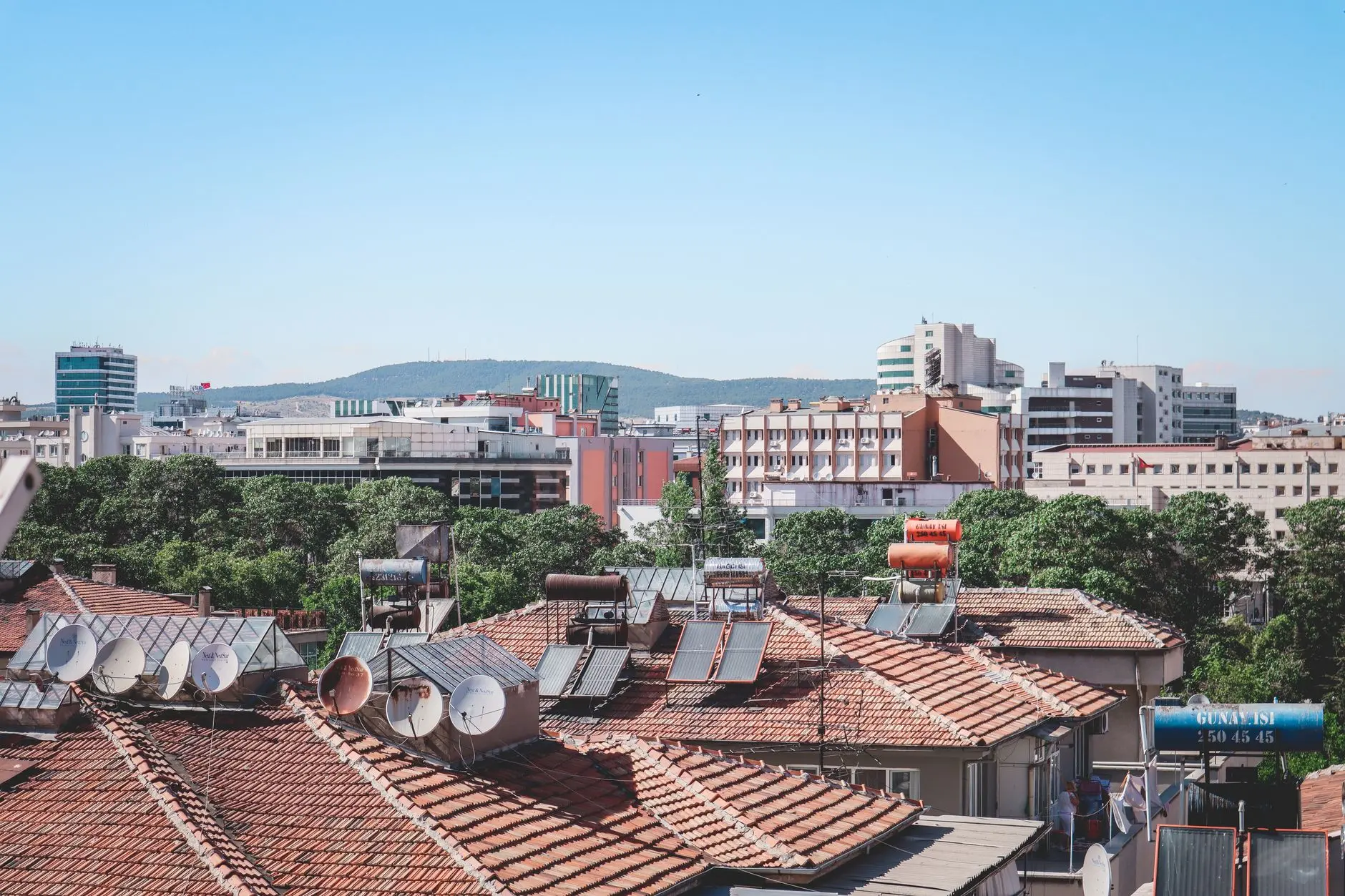
Türkiye Advances Green Transition with New Infrastructure and Finance Goals
Türkiye is expanding its sustainable energy portfolio through new policy frameworks, corporate certifications, and international climate engagements. Recent steps include dedicated plans to decarbonize the transport sector between 2026 and 2030, alongside initiatives to open idle farmland and water surfaces for renewable energy generation. Simultaneously, Istanbul is positioning itself as a regional climate finance hub aimed at funding sustainable infrastructure projects across the nation.
Key takeaways
- Transport and solar expansion: Türkiye has introduced a 2026-2030 initiative targeting transport decarbonization while unlocking idle land and water surfaces for solar installations.
- Climate finance positioning: Istanbul is slated to serve as a regional hub for climate finance to channel funding into domestic green transition efforts.
- Corporate and geopolitical factors: Defense contractor Aselsan earned a Green Transformation Center Certificate, while analysts monitor potential U.S. geopolitical responses to Turkish energy arrangements involving China.
Decarbonization Initiatives and Agricultural Land Use
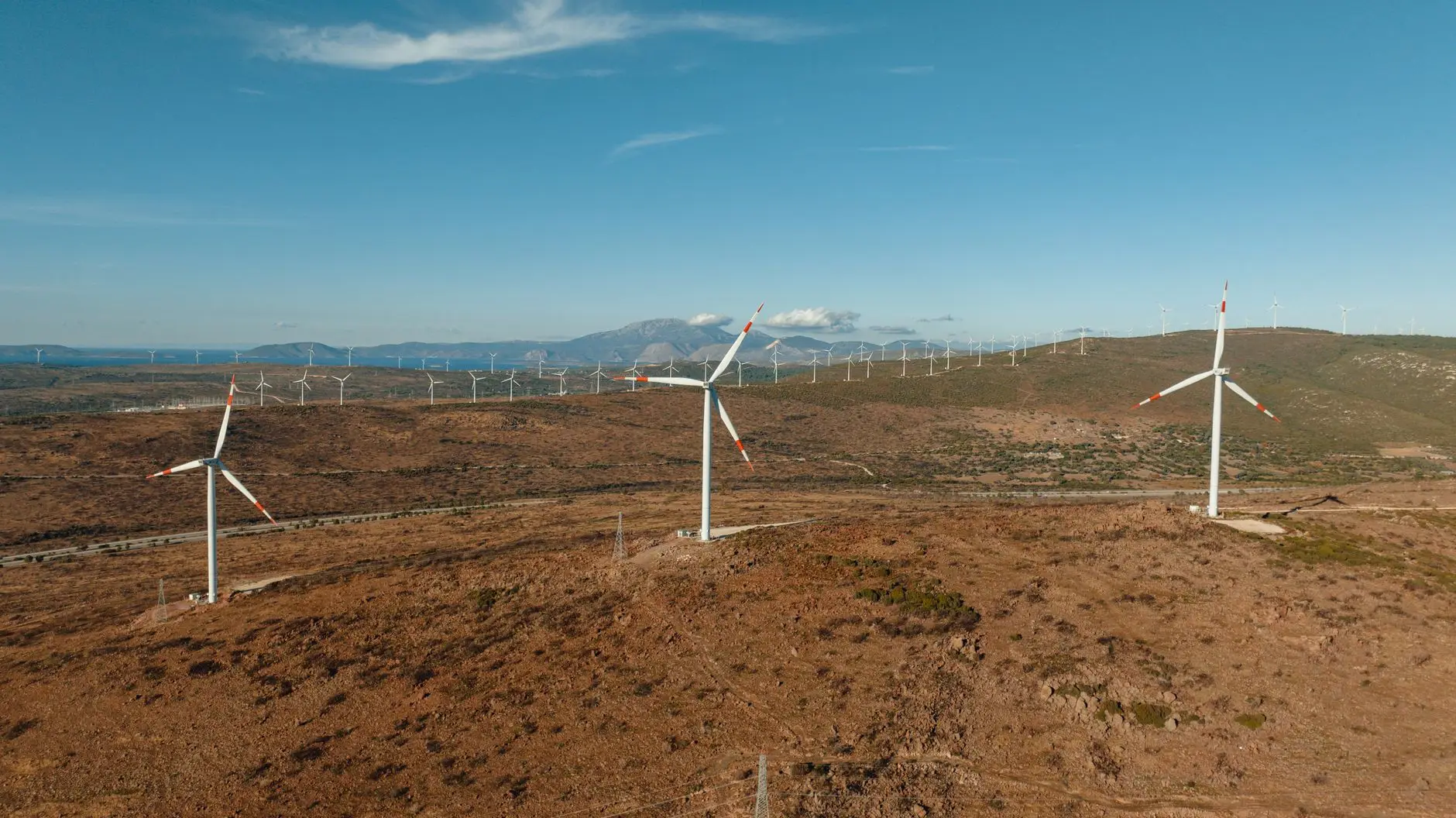
According to Anadolu Ajansı, Türkiye has launched a targeted green initiative designed to decarbonize its transport sector between 2026 and 2030. This initiative outlines specific goals to curb emissions across logistics networks, public transit, and freight channels. Concurrently, Daily Sabah reported that the government plans to utilize idle farmland and floating water surfaces to host renewable energy assets, particularly photovoltaic installations. By leveraging unused agricultural zones and water reservoirs, authorities aim to expand generation capacity without competing with active agricultural operations.
Corporate entities in Türkiye are also aligning with federal sustainability standards. As reported by ssbulten.com.tr, defense and electronics enterprise Aselsan received a Green Transformation Center Certificate from the Turkish Ministry of Industry and Technology. This certification underscores ongoing structural audits and energy-efficiency overhauls within high-value manufacturing segments, signaling broader regulatory expectations for major industrial operators across the country.
International Climate Hub Ambitions and Geopolitical Dynamics
Istanbul is actively positioning itself as a central hub for regional climate finance, according to Hürriyet Daily News. By building a dedicated financial architecture, the city seeks to attract international funds, green bonds, and private equity to accelerate Türkiye's energy transition. The international visibility of Türkiye's sustainability agenda was highlighted during a domestic climate summit that brought more than 120 state and local leaders from the United States, as reported by UA.NEWS via Deutsche Welle.
Guide:Turkey Priority Investment Incentives 2026 Explained
However, Türkiye's broader energy expansion carries potential diplomatic considerations. Analysis from the Middle East Forum noted discussions regarding whether Türkiye's energy cooperation agreements with China could trigger diplomatic scrutiny from the United States, drawing comparisons to earlier tensions surrounding Türkiye's purchase of Russia's S-400 defense system. Balancing international funding, technology sourcing, and diplomatic relations remains a vital aspect of Türkiye's long-term infrastructure strategy.
What it means for foreign investors and international companies
For multinational corporations and foreign investors, expanded turkey green energy investment offers emerging avenues in clean tech, transport engineering, and renewable project supply chains. Companies providing specialized solar equipment, smart-grid technology, and floating photovoltaic solutions stand to benefit from the opening of idle agricultural land and water bodies. Furthermore, as Istanbul develops its regional climate finance framework, international private equity firms and green bond issuers may find structured mechanisms to fund large-scale infrastructure projects.
Foreign commercial buyers sourcing from Turkish industrial partners should also take note of rising environmental standards. Initiatives like Aselsan's certification suggest that Turkish manufacturers are steadily updating their operational footprints to comply with global decarbonization expectations, which can help international brands lower their Scope 3 supply chain emissions when doing business in Türkiye.
Strategic Execution and Project Readiness
Navigating Türkiye’s evolving green ecosystem requires clear understanding of local land-use regulatory framework and green finance access.
Land and Water Surface Allocation
Using idle farmland and water bodies for renewable energy requires specific permits from agricultural and water authorities. Foreign developers looking to deploy floating solar or rural PV arrays must evaluate local zoning rules and grid interconnection capacities before committing capital.
Access to Green Financing
With Istanbul establishing itself as a regional finance hub, international developers can leverage green bonds and sustainable syndicated loans. Working with local institutions allows foreign entities to tap into structured capital intended for transport decarbonization and industrial retrofits.
Outlook for Türkiye's Green Transition
Türkiye's target of decarbonizing transport by 2030 and expanding renewable generation across non-traditional land areas sets a structured roadmap for national decarbonization. While foreign diplomatic developments regarding energy partnerships require ongoing monitoring, the simultaneous expansion of local green finance tools and industrial sustainability certifications demonstrates a clear trajectory toward a lower-carbon economy.
Sources
- Will Turkey’s China Energy Deal Cause U.S. Blowback Akin to Its S-400 Russia Purchase? — Middle East Forum
- Türkiye to use idle farmland, water surfaces for renewable energy | Daily Sabah — Daily Sabah
- Türkiye launches green initiative to decarbonize transport sector in 2026-2030 — Anadolu Ajansı
- More than 120 US state and local leaders arrive at climate summit in Türkiye — Deutsche Welle — UA.NEWS
- Istanbul to become regional climate finance hub driving Türkiye’s green transition — Hürriyet Daily News
- Aselsan receives Green Transformation Center Certificate from Turkish Industry Ministry — ssbulten.com.tr
Frequently asked questions
What is Türkiye's plan for transport decarbonization?
According to Anadolu Ajansı, Türkiye launched a green initiative targeting transport sector decarbonization for the 2026-2030 period to lower emissions across freight and transit networks.
How is Türkiye expanding renewable energy land availability?
Daily Sabah reported that Türkiye plans to utilize idle farmland and bodies of water for renewable energy generation, such as floating and ground-mounted solar installations.
What role will Istanbul play in green financing?
Hürriyet Daily News reported that Istanbul is aiming to become a regional climate finance hub to mobilize private and institutional capital for sustainable infrastructure projects.
Why did Aselsan receive a Green Transformation Center Certificate?
As reported by ssbulten.com.tr, the Turkish Ministry of Industry and Technology awarded the certificate to Aselsan in recognition of its industrial sustainability and energy transformation efforts.
Are there diplomatic risks tied to Türkiye's energy deals?
The Middle East Forum highlighted debate over whether Turkish energy deals involving China might generate diplomatic friction with the U.S., similar to previous discussions over defense procurement.
More on this topic: Turkey Investment Incentives: Regions, Free Zones and Support