Turkey Real Estate for Gulf Investors: Cities and Process
A practical guide for Gulf investors looking at Turkish real estate, covering top cities, yield drivers, legal frameworks, and step-by-step acquisition.

Real estate in Türkiye offers Gulf investors a strategic blend of high-growth urban markets, lifestyle assets, and commercial yield potential situated at the crossroads of Europe, Asia, and the Middle East. Navigating this market successfully requires a clear understanding of local municipal dynamics, legal requirements for foreign buyers, currency considerations, and yield profiles across different asset classes.
Key takeaways
- Istanbul dominates commercial and high-density residential investments, while coastal regions like Antalya and Izmir appeal more to lifestyle and holiday rental buyers.
- Foreign buyers must navigate specific legal clearances regarding military zones, land registry checks, and title deed (Tapu) transfers.
- Rental yields vary significantly between short-term holiday rentals and long-term urban residential or commercial leases, influenced by inflation dynamics and local demand.
- Working with independent legal and financial advisors is essential to verify property titles, zoning laws, and tax obligations before committing capital.
Top Turkish Cities and Regions for Gulf Real Estate Investment
Choosing the right location depends entirely on whether your investment strategy focuses on capital appreciation, steady rental income, or personal use. Türkiye's diverse geography presents distinct regional advantages.
Istanbul: The Economic and Commercial Hub
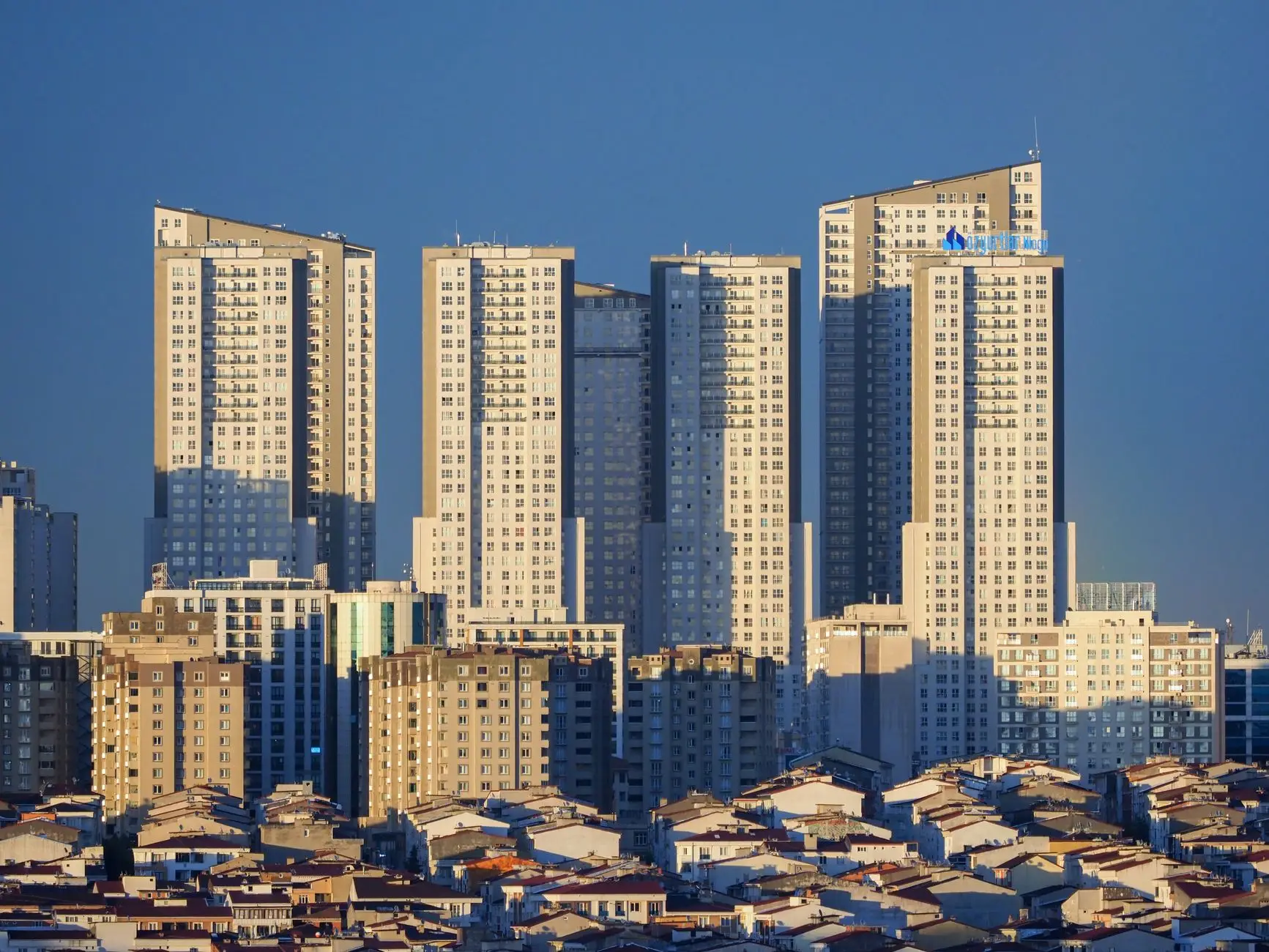
As Türkiye’s financial and demographic powerhouse, Istanbul attracts the highest volume of foreign capital. Prime districts on the European side offer robust liquidity and strong corporate tenant demand, making them ideal for long-term capital preservation. Peripheral expansion zones and transportation hubs feature large-scale residential complexes that appeal to investors seeking entry-level price points with future infrastructure-driven appreciation potential.
Antalya and the Mediterranean Coast
Antalya and its surrounding coastal districts are primary destinations for lifestyle property and tourism-driven real estate. These markets feature high seasonal demand for short-term holiday rentals. Investors here focus on coastal apartments and villas, where yields are closely tied to tourism performance, flight connectivity, and seasonal occupancy rates.
Related guide:Best Cities to Invest in Turkey: 2026 Property ROI Report
Ankara and Bursa: Industrial and Administrative Centers
Ankara, as the political capital, and Bursa, as a major manufacturing and automotive center, offer a different investment profile. Real estate demand in these cities is driven by local professionals, civil servants, and industrial workers rather than tourism. This creates stable, predictable long-term rental demand with lower price volatility compared to coastal or mega-city hubs.
Understanding Yields, Valuations, and Asset Classes
Property performance in Türkiye depends heavily on the chosen asset class and management strategy. Investors must weigh gross yields against operating costs, management fees, and potential currency fluctuations.
Residential vs. Commercial Real Estate
Residential properties generally offer higher liquidity and easier exit strategies, appealing to a broad pool of local and foreign buyers. However, commercial real estate—such as retail units, offices, and warehouses leased to established corporate tenants—often provides more stable, inflation-adjusted long-term yields. Commercial leases in Türkiye are frequently structured with predictable indexation mechanisms, protecting returns against macroeconomic shifts.
Calculating True Rental Yields
Gross rental yields can look attractive on paper, but investors must factor in maintenance fees (site management dues known as "aidat"), property taxes, insurance, and vacancy periods. Short-term rentals offer higher revenue potential but incur higher operational overhead, including cleaning, platform commissions, and local tourism licensing requirements.
The Legal and Regulatory Framework for Foreign Buyers
Foreign nationals from most Gulf nations are legally permitted to acquire real estate in Türkiye, provided they adhere to specific national security and zoning regulations.
Land Registry and Military Clearances
Before a title deed (Tapu) can be transferred at the General Directorate of Land Registry and Cadastre, the property must pass standard clearance checks. Properties located within military zones, strategic security areas, or certain rural boundaries may be restricted. Your legal representative should verify these clearances prior to signing any binding purchase agreements or paying substantial deposits.
Valuation Reports and Corporate Ownership
An independent valuation report by a licensed assessor is mandatory for all property transactions involving foreign buyers. This report determines the official baseline value for the transaction. While many investors purchase in their personal names, establishing a Turkish company (corporation or limited liability company) to hold real estate is a common strategy for commercial portfolios or multiple assets, streamlining tax management and future asset transfers.
Step-by-Step Acquisition Process
Executing a real estate transaction in Türkiye follows a structured legal and administrative procedure. Following each step methodically protects your capital and ensures clear ownership rights.
- Define your investment criteria, budget, and preferred asset class with independent advisors rather than relying solely on promotional marketing materials.
- Conduct thorough due diligence on the specific property, checking municipal zoning records, checking for any encumbrances, mortgages, or outstanding utility debts on the Tapu.
- Obtain a Turkish tax identification number, which is required to open a local bank account and register the property transaction.
- Open a bank account in Türkiye to facilitate secure funds transfer, ensuring compliance with capital movement regulations and obtaining official foreign exchange documents where necessary.
- Sign a formal, bilingual sales contract with the seller or developer, detailing payment schedules, handover dates, and penalty clauses for default.
- Commission the mandatory independent real estate valuation report to establish the legal purchase baseline.
- Complete the formal title deed transfer at the local Land Registry Office, accompanied by a sworn translator if you do not speak Turkish fluently, and settle all remaining taxes and fees.
Taxation, Ongoing Costs, and Exit Strategies
Managing ongoing operational costs and understanding exit taxation are critical components of a successful investment lifecycle in Türkiye.
Taxes and Fees at Purchase
The primary transaction cost is the title deed fee (Tapu harcı), which is shared equally by buyer and seller under law, though negotiation practices vary. Additional costs include notary fees, valuation report fees, and municipal property taxes. Real estate agency commissions are regulated but should be clearly agreed upon in writing beforehand.
Capital Gains and Rental Income Taxation
Rental income is subject to progressive income tax rates, and property owners must file annual tax declarations. For capital gains, the tax treatment depends on the holding period and whether the property is held individually or through a corporate entity. Consulting a certified public accountant in Türkiye ensures compliance with current tax brackets and allowable deductions.
Common Mistakes Foreign Investors Make
Avoidable errors can erode investment returns or lead to legal complications. Awareness of typical pitfalls is your best defense.
One frequent mistake is failing to conduct independent legal due diligence, relying instead on verbal assurances from developers or agents. Always verify zoning permissions and encumbrances directly through official registries. Another error is underestimating ongoing operational costs, such as high site management fees in luxury residential towers that can eat into rental margins. Finally, foreign investors sometimes neglect currency management, failing to hedge against exchange rate volatility when pricing long-term leases or planning their eventual capital repatriation.
Frequently asked questions
Can any Gulf national buy property in Türkiye?
Citizens from most Gulf Cooperation Council countries are legally permitted to purchase residential and commercial real estate in Türkiye, subject to general reciprocity rules and security clearances.
Is a local bank account required to buy property in Türkiye?
Yes, opening a local bank account is necessary to transfer funds securely, obtain the required foreign exchange documents, and pay transaction fees and taxes.
How long does the title deed transfer process take?
Once all documents, valuations, and military clearances are secured, the actual title deed transfer at the Land Registry Office can often be completed within a few days.
What ongoing taxes apply to property ownership in Türkiye?
Owners must pay an annual municipal property tax, cleaning taxes, and income tax on any rental earnings, alongside building insurance.
Are properties sold in Turkish Lira or foreign currency?
While contracts can reference foreign currencies for stability, Turkish regulations govern actual payment mechanisms, and many transactions involve conversion into Turkish Lira through official banking channels.
Can foreign buyers secure mortgages in Turkish banks?
Mortgage financing for non-residents is limited and subject to stringent lending criteria, meaning the vast majority of foreign buyers purchase with cash or structured developer payment plans.
What is the role of the independent valuation report?
The mandatory valuation report establishes the true market value of the property for official records, preventing undervaluation and ensuring compliance with regulatory standards.
More on this topic: Turkey Real Estate Investment: Cities, Prices and Rules