Best Cities to Invest in Turkey Real Estate
A comprehensive guide analyzing top Turkish cities for residential, commercial, and industrial property investments based on yield, infrastructure, and growth.
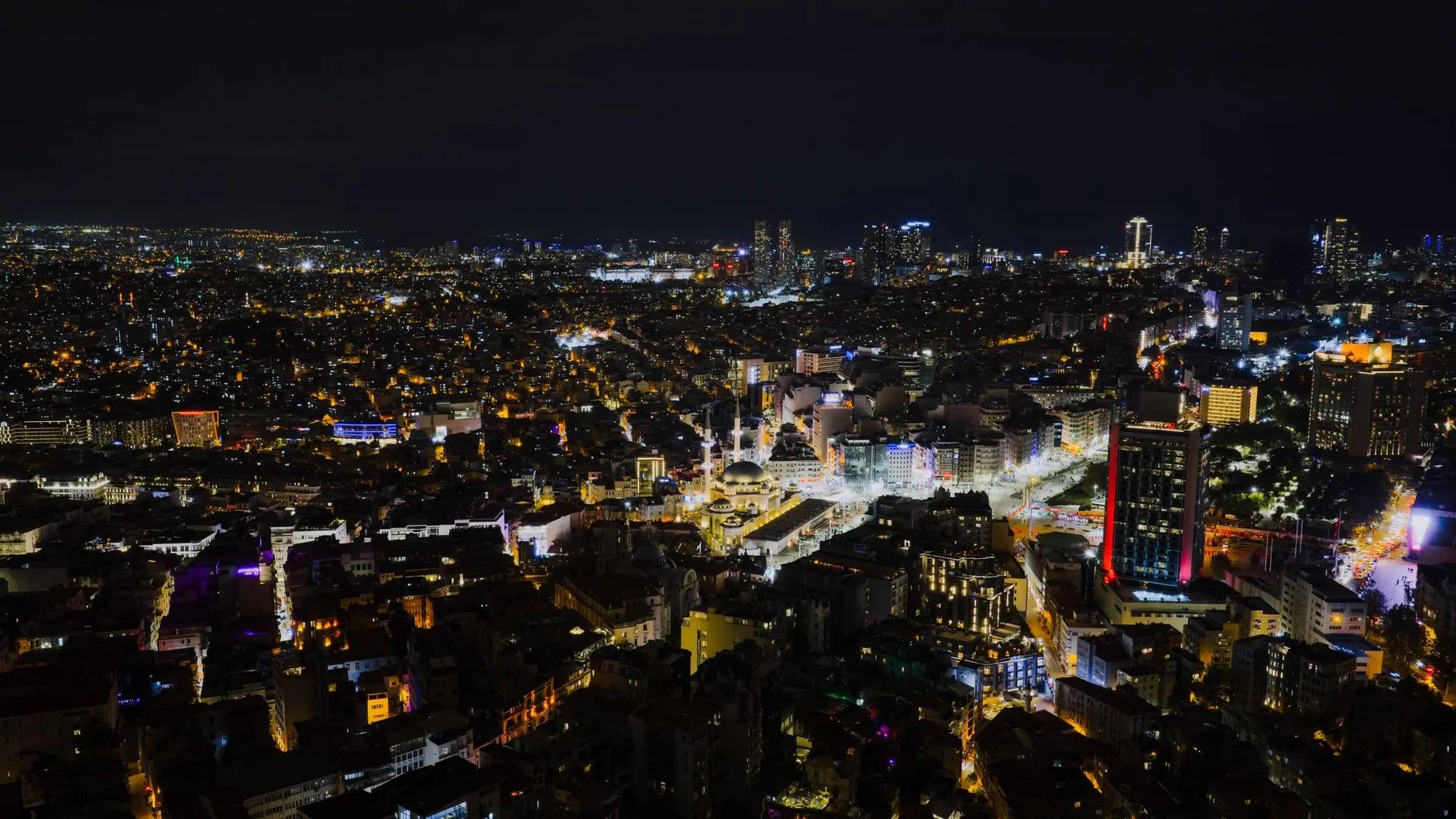
Foreign investors targeting the Turkish property market must balance geographical advantages, capital appreciation potential, and localized rental demand across diverse metropolitan centers. While Istanbul remains the dominant hub for corporate headquarters and high-value residential developments, regional centers like Antalya, Izmir, Ankara, and Bursa offer distinct structural advantages for hospitality, logistics, and industrial portfolios. Selecting the best location requires matching your asset class strategy with local regulatory frameworks, infrastructure pipelines, and foreign ownership regulations.
Key takeaways
- Asset class dictates location: Istanbul and Ankara lead in corporate offices and prime residential rentals; Antalya and Mugla dominate tourism hospitality; and Kocaeli, Bursa, and Izmir anchor manufacturing and industrial logistics.
- Infrastructure drives long-term returns: Proximity to major transport corridors, deep-water ports, high-speed rail networks, and Organized Industrial Zones (OSBs) significantly reduces vacancy risk and enhances capital gains.
- Zoning and legal restrictions vary by municipality: Foreign nationals face specific land acquisition caps, military clearance zones, and neighborhood quotas that require thorough due diligence through the General Directorate of Land Registry and Cadastre (Tapu ve Kadastro Genel Mudurlugu).
- Currency and tax considerations impact net yields: Rental yields, value-added tax exemptions for non-residents, title deed transfer taxes, and municipal valuation baseline rules differ materially between metropolitan municipalities and regional districts.
Strategic Factors Shaping Real Estate Investment in Türkiye
Türkiye's geographical position between European, Asian, and Middle Eastern markets makes its real estate sector attractive to corporate entities, private equity funds, and individual investors. However, evaluating where to deploy capital requires looking beyond surface-level purchase prices. Sophisticated foreign buyers analyze several fundamental drivers before committing funds to specific metropolitan areas.
Urban Growth and Demographic Tailwinds
Türkiye maintains a young, expanding domestic population coupled with sustained urbanization. Major metropolitan centers experience continuous internal migration driven by employment opportunities, higher education institutions, and centralized commercial services. This internal demand creates a resilient baseline for residential leasing and retail occupancy, insulating investors against international tourism cyclicality or broader macroeconomic fluctuations.
Logistics Infrastructure and Trade Corridors
State-led investments in national infrastructure have transformed regional connectivity over the past two decades. The expansion of expressways, modern cargo-ready bridge crossings, high-speed passenger rail, and modern logistics ports has connected secondary cities to international export corridors. Real estate developments situated along these multi-modal freight routes command higher valuations, particularly in industrial distribution warehousing and flex-office developments.
Related guide:Best 5 Turkish Cities for Real Estate for Foreigners
Regulatory Parameters for Non-Resident Buyers
Foreign investors must navigate statutory parameters under Turkish land registry laws. Non-Turkish natural persons may acquire real estate up to statutory aggregate land limits nationally, and cannot exceed a fixed percentage of private land in any individual district. Furthermore, certain zones adjacent to strategic infrastructure, defense facilities, or agricultural preserves carry acquisition prohibitions. Working with independent legal counsel to inspect the property registry record (tapu kutugu) at the local title deed office is a prerequisite for any capital transfer.
Istanbul: The Commercial Engine and Mixed-Use Heavyweight
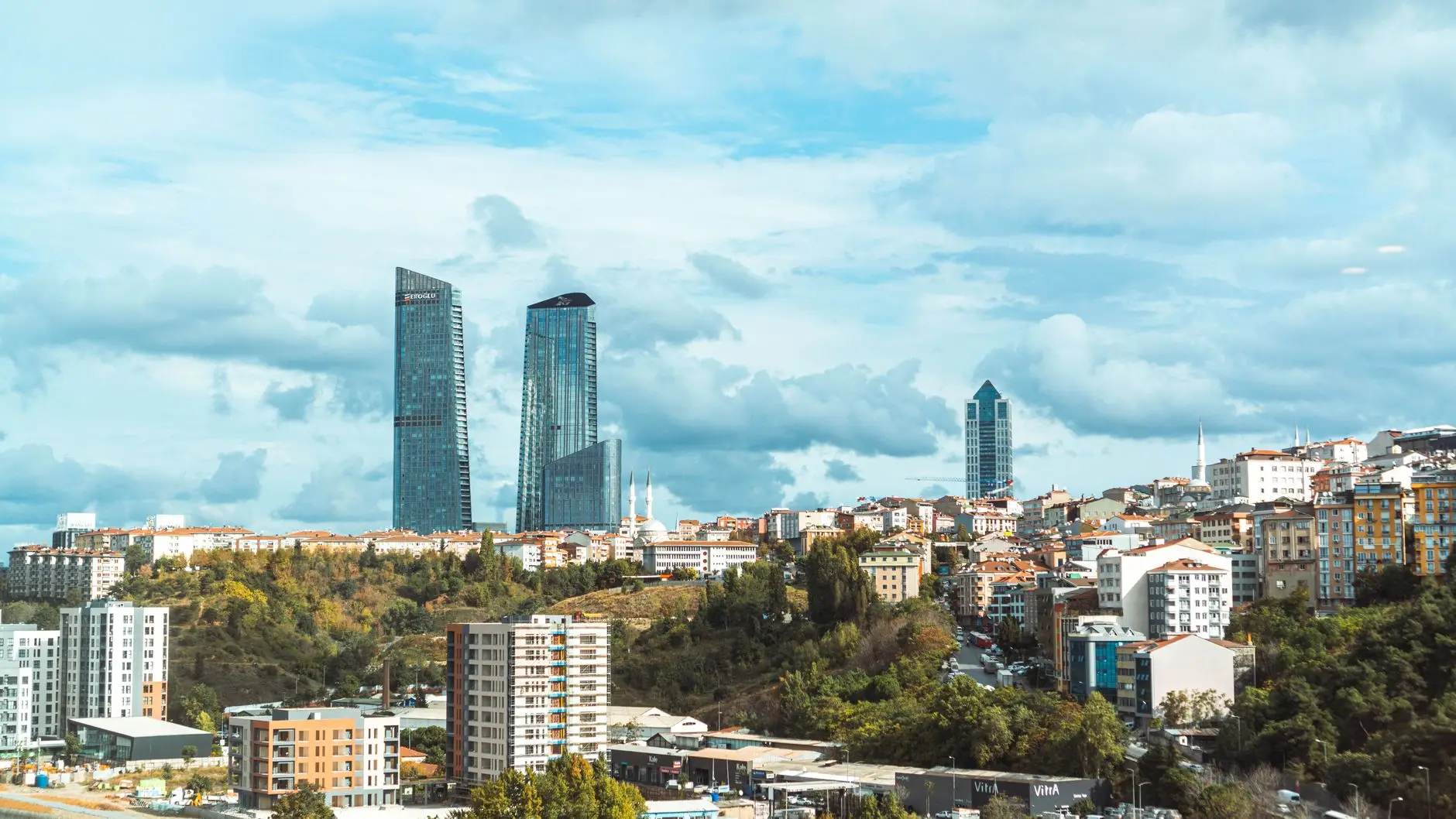
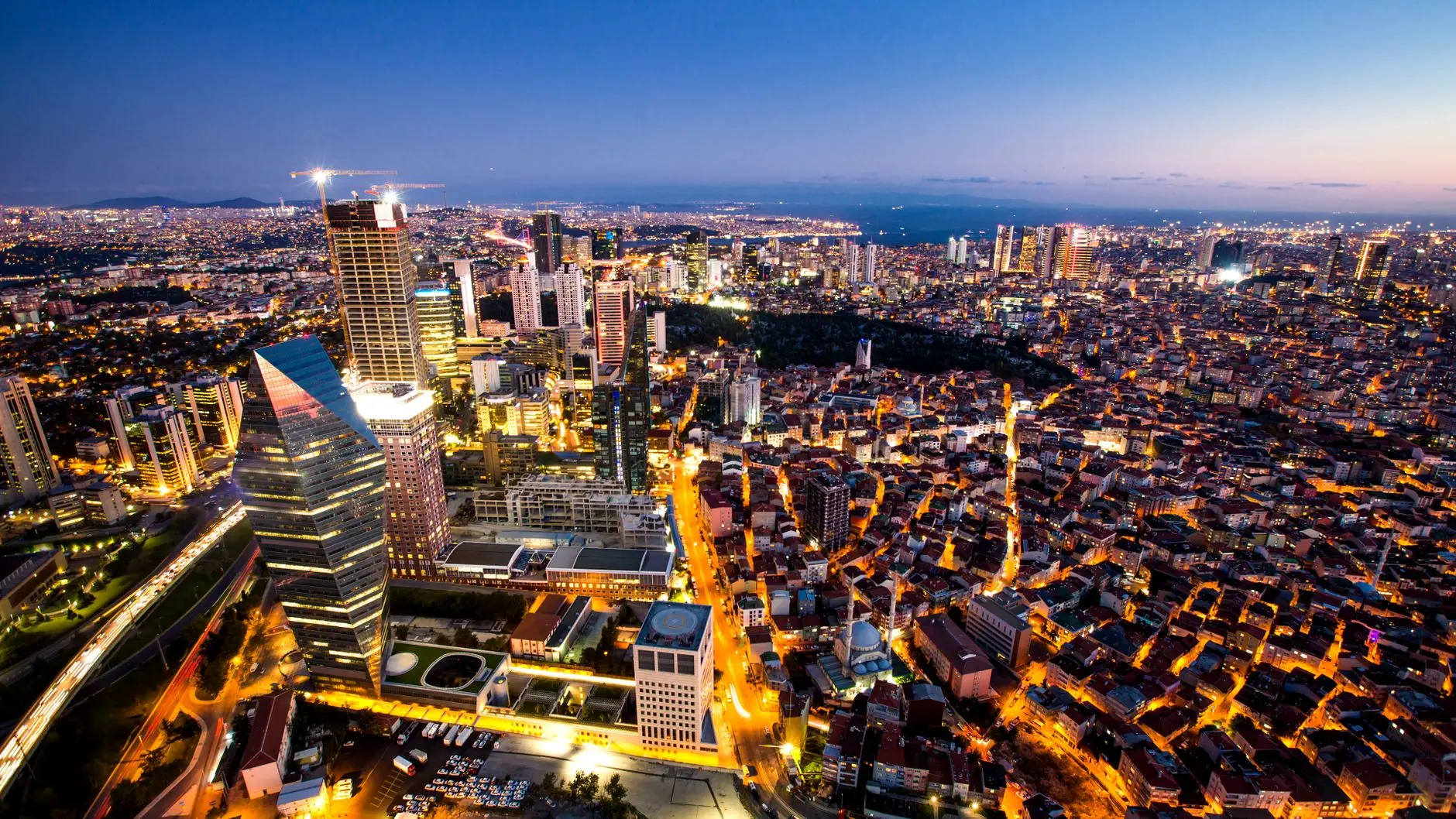
Istanbul accounts for the largest share of foreign real estate transactions in Türkiye, driven by international corporate offices, regional headquarters, and diversified residential demand. The city spans two continents, offering distinct investment dynamics across its European and Asian sides.
Prime Commercial and Financial Districts
The European side houses established central business districts (CBD) such as Levent, Maslak, and the emerging corridors along the basin express highway. These districts are primary targets for Grade-A office buildings, institutional corporate leasing, and branded residences. Concurrently, the Asian side—anchored by the Atasehir financial district—has seen massive consolidation of public and private banking headquarters, generating long-term demand for modern commercial space, executive serviced apartments, and institutional-grade retail centers.
High-Yield Residential Submarkets
Residential investors in Istanbul split into two categories: those pursuing stable rental yields from local working professionals, and those seeking capital appreciation in master-planned regeneration zones. Established central neighborhoods (such as Sisli, Besiktas, and Kadikoy) provide defensive, low-vacancy portfolios, though entry prices per square meter are the highest in the country. Outer suburban corridors offer lower cost bases and larger footprint residential compounds, but rely more heavily on ongoing transit expansions to sustain occupancy rates.
Antalya and the Mediterranean Basin: Tourism, Expatriates, and Short-Term Rentals
Antalya is the primary destination for foreign buyers seeking lifestyle real estate, short-term vacation rental portfolios, and hospitality-adjacent assets. The province attracts sustained demand from European, Middle Eastern, and Central Asian nationals.
Key Investment Pockets: City Center vs. Coastal Resorts
The investment profile changes significantly across Antalya's geography. Central districts like Konyaalti and Muratpasa cater to both year-round domestic tenants and long-stay expatriates, generating balanced 12-month rental cash flow. Conversely, coastal resort submarkets such as Alanya, Belek, and Kemer depend on seasonal tourism. Properties in these resort pockets frequently deliver higher gross margins during peak summer months via short-term lease models, though investors must factor in winter vacancy and specialized property management costs.
Regulatory Shifts in Short-Term Leases
Foreign investors entering the Mediterranean residential market must account for Türkiye's legislative framework governing tourist rentals. Properties rented for periods under one hundred days require operational permits from the Ministry of Culture and Tourism, unanimous consent from building co-owners in shared residential blocks, and compliance with guest registration systems. These requirements make dedicated serviced-apartment developments or managed holiday communities more operationally viable than single-unit purchases in typical residential buildings.
Ankara: Institutional Stability and Commercial Tenancies
As the nation's capital, Ankara offers a stable, low-volatility real estate market driven by government ministries, foreign diplomatic missions, research universities, and defense-industry industrial clusters. Ankara is often overlooked by individual lifestyle buyers, making it an attractive hunting ground for institutional and corporate investors seeking dependable yields.
Diplomatic and Corporate Office Demand
Districts such as Cankaya, Gaziosmanpasa, and Cayyolu represent the traditional diplomatic and executive corridor. Modern Grade-A office assets and luxury residential developments in these areas benefit from multi-year lease agreements signed by corporate tenants, non-governmental organizations, and embassy personnel. Default rates are historically lower than in speculative development hubs, and leases are frequently structured with clear contractual indexation mechanisms.
Innovation and Defense Technology Clusters
Western and northern Ankara have grown rapidly into advanced technology and industrial manufacturing centers. The presence of specialized defense contractors, state research institutions, and engineering universities has created demand for flex-industrial spaces, business parks, and mid-market residential housing for technical professionals. These submarkets offer steady occupancy rates anchored by stable public and private enterprise budgets.
Izmir and the Aegean Corridor: High-Tech Manufacturing and Lifestyle Migration
Izmir, Türkiye's third-largest city, combines export-focused industrial infrastructure with a high quality of life that attracts domestic corporate migration from Istanbul. Its port capacity and connectivity across the Aegean make it a critical node for European trade.
Urban Transformation and Commercial Centers
Central Izmir districts such as Bayrakli and Bornova have emerged as the city's modern business core, characterized by newly built office towers, mixed-use retail developments, and modernized infrastructure. The ongoing urban transformation of older industrial waterfronts has opened tracts for high-density, institutional-quality residential and commercial assets.
Industrial Zones and Port Logistics
Beyond the urban core, areas like Aliaga to the north and Torbali to the south host extensive manufacturing ecosystems, petrochemical complexes, and export processing zones. Aliaga's deep-water port infrastructure makes it an ideal location for heavy industrial storage, dry bulk terminals, and logistics parks. For foreign investors looking beyond residential assets, Izmir's industrial real estate market provides competitive yields backed by export-earning corporate tenants.
Bursa, Kocaeli, and the Marmara Industrial Belt: Logistics and Warehousing
Investors focused on manufacturing facilities, warehousing, and supply-chain logistics typically concentrate on the eastern Marmara corridor, primarily Bursa and Kocaeli. These provinces form the industrial backbone of Türkiye, housing the nation's automotive, textile, chemical, and heavy machinery production.
Kocaeli: Gateway to the Marmara Logistics Network
Bordering Istanbul to the east, Kocaeli encompasses Gebze, one of the dense industrial concentrations in the region. Properties inside or adjacent to specialized Organized Industrial Zones (OSBs) enjoy high tenant retention, access to the national highway grid, and deep freight terminal integration via the Gulf of Izmit. Institutional investors often target built-to-suit logistics warehouses here, leasing them to international courier operators, third-party logistics (3PL) providers, and multi-national manufacturers.
Bursa: Automotive Hub and Diversified Manufacturing
Bursa combines deep manufacturing expertise with agricultural and tourism assets. As Türkiye's primary automotive cluster, industrial demand in Bursa remains consistent. In the residential sector, Bursa attracts foreign buyers due to its historic thermal tourism, proximity to winter resort infrastructure at Uludag, and direct ferry links to Istanbul. Properties in Nilufer and Mudanya appeal to regional investors seeking suburban residential communities with modern amenities.
Comparative City Profiles for Foreign Buyers
When selecting a target market, foreign companies and private investors should align their investment mandate with the operational strengths of each city:
- Istanbul: Best for regional headquarters, high-density mixed-use developments, corporate office leases, and capital appreciation across urban renewal districts.
- Antalya: Best for hospitality properties, managed holiday homes, short-term lease strategies, and international expatriate residential purchases.
- Ankara: Best for institutional commercial leases, government and diplomatic tenancies, defense technology business parks, and low-volatility rental portfolios.
- Izmir: Best for lifestyle residential assets, coastal logistics facilities, and clean-tech manufacturing operations.
- Kocaeli & Bursa: Best for manufacturing plant acquisitions, dry and cold storage logistics warehousing, and industrial park land developments.
Practical Real Estate Acquisition Checklist
- Define investment scope and target asset class: Determine whether the strategy focuses on capital gains, industrial logistics yields, long-term residential leasing, or short-term vacation rentals.
- Engage independent legal counsel: Retain an independent Turkish real estate attorney to verify title deeds, liens, mortgages, and rights of way before signing any preliminary contract or paying a deposit.
- Verify municipal zoning and planning status: Check the master zoning plan (imar plani) with the relevant local municipality to confirm permissible building density, usage classifications (residential vs. commercial), and planned public infrastructure.
- Commission an independent property valuation: Obtain a valuation report from a certified valuation institution licensed by the Capital Markets Board (SPK), mandatory for transactions involving foreign buyers.
- Obtain a Turkish Tax Number and open a corporate/personal bank account: Register with the local tax office (Vergi Dairesi) and establish banking relationships to execute traceable fund transfers.
- Obtain a Foreign Exchange Purchase Certificate (DAB): Comply with central bank regulations by exchanging foreign currency into Turkish Lira via an authorized Turkish bank specifically for the property acquisition.
- Inspect the land registry records at the Title Deed Office: Ensure no statutory neighborhood quotas for foreign residents have been breached in the chosen district.
- Execute the title transfer and register ownership: Complete the formal conveyance at the General Directorate of Land Registry and Cadastre and obtain the official title deed (tapu).
Common Mistakes Foreign Investors Make in Türkiye
Cross-border real estate acquisitions carry structural risks that can erode expected yields or complicate liquidity. Foreign buyers should be aware of several recurring pitfalls:
Overlooking District Quota Caps
To preserve demographic balance, the Ministry of Interior establishes residency caps in specific neighborhoods, restricting new foreign residency permits once a designated percentage is reached. While a foreign national may still legally hold the property title deed in a closed neighborhood, neither they nor a foreign tenant may obtain a new residence permit tied to that address. Investors who fail to check the current status of restricted neighborhoods with the Presidency of Migration Management (Goc Idaresi Baskanligi) often face severe leasing bottlenecks.
Relying Solely on Developer Guarantees
In high-density development markets, some developers offer multi-year guaranteed rental returns. Investors must scrutinize whether these guarantees are backed by operational escrow accounts, third-party corporate guarantees, or simply priced into an inflated initial purchase price. Once the contractual guarantee expires, properties with inflated entry prices often struggle to achieve matching yields in the open domestic rental market.
Neglecting Currency Translation Protocols
Foreign buyers must adhere strictly to Central Bank of the Republic of Türkiye (TCMB) foreign exchange regulations. Property purchases by non-residents require a Doviz Alim Belgesi (DAB), certifying that foreign currency was converted to Turkish Lira through an authorized intermediary bank for the exact purchase amount. Failing to secure the DAB prior to the official title deed transfer renders the transaction non-compliant with title registry standards.
Ignoring Ongoing Maintenance and Commercial Condominium Fees
Modern residential and commercial compounds offer extensive amenities, but these facilities come with recurring maintenance dues (aidat). In high-rise mixed-use towers, high operational fees can compress net yields, particularly during unexpected vacancy periods. Investors must review the site management operational budget (isletme projesi) and historic fee increases before finalizing acquisitions.
Frequently asked questions
Can foreign companies directly own real estate in Türkiye?
Yes, foreign legal entities incorporated under the laws of their home country can acquire real estate in Türkiye under specific conditions, primarily when operating within special industrial zones, energy projects, or when established as a Turkish-incorporated subsidiary company.
What is the minimum holding period to avoid capital gains tax on Turkish property?
Individual property owners are exempt from capital gains tax on the disposal of real estate if the asset is held continuously for more than five calendar years from the date of the title deed registration. Corporate entities follow different commercial tax rules.
Are property valuation reports mandatory for foreign buyers?
Yes, all real estate transactions involving a foreign party require an official valuation report prepared by an expert licensed by the Capital Markets Board (SPK) to determine the fair market value prior to the title transfer.
Can a foreign buyer acquire agricultural land in Türkiye?
Foreign natural persons can acquire agricultural land, but they are legally required to submit an agricultural development project to the Ministry of Agriculture and Forestry within two years of purchase, or face mandatory liquidation of the asset.
How does the Foreign Exchange Purchase Certificate (DAB) work?
A foreign buyer must transfer foreign currency (such as USD or EUR) to an authorized Turkish bank, which sells the currency to the Central Bank of Türkiye and issues a DAB stating the investor's details, property details, and Lira conversion sum before the title transfer.
Which Turkish city currently yields the highest commercial logistics returns?
Kocaeli and the peripheral industrial districts of Bursa and Izmir generate the strongest commercial logistics yields due to sustained demand from export-oriented manufacturers and international logistics providers.
Do foreign real estate owners have to pay property taxes locally in Türkiye?
Yes, property owners pay an annual municipal real estate tax (Emlak Vergisi) directly to the local district municipality, calculated based on the property's assessed value and metropolitan classification.
More on this topic: Turkey Real Estate Investment: Cities, Prices and Rules