Turkey Urban Development Drives Real Estate Growth
Türkiye highlighted climate-resilient cities and sustainable urban reconstruction at COP31, opening strategic avenues for international infrastructure and real estate investors.
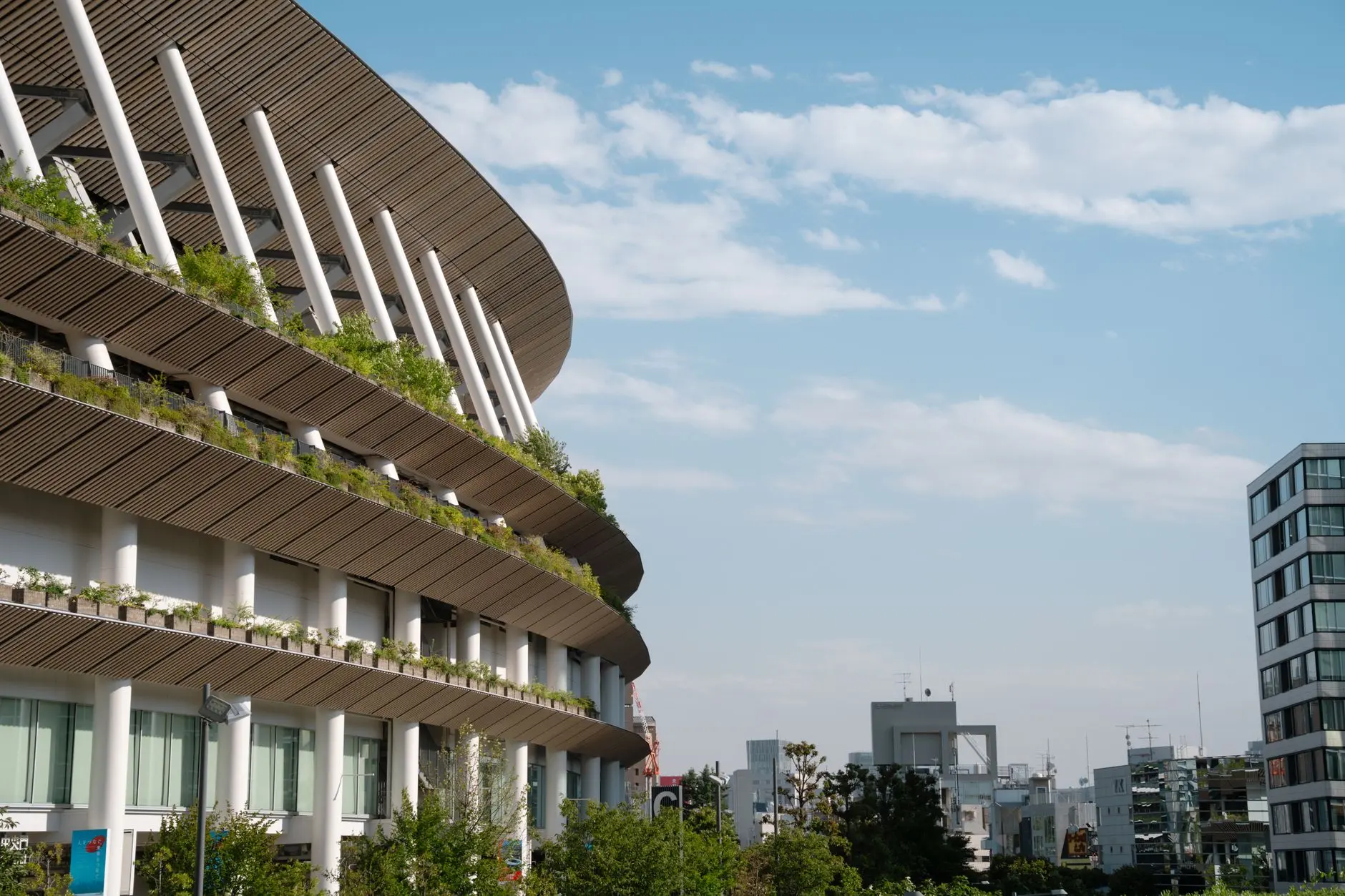
Türkiye placed climate-resilient infrastructure and sustainable urban reconstruction at the forefront of its international engagements during the COP31 climate summit. International discussions at the Türkiye pavilion showcased national initiatives designed to future-proof cities against climate risks and natural disasters, presenting critical openings for commercial developers, green tech providers and global investors monitoring Türkiye urban development.
Key takeaways
- Türkiye used the COP31 summit platform to spotlight green building frameworks, climate-adaptive infrastructure and resilient urban regeneration.
- Collaborative panels brought together regional entities, including Azerbaijan's Garabagh Revival Fund, highlighting cross-border experience in post-disaster rebuilding and sustainable master planning.
- For international investors, the national pivot toward resilient cities unlocks growing demand for energy-efficient construction materials, specialized engineering and institutional real estate capital.
Scaling climate resilience across municipal infrastructure
Urban resilience has become a core policy priority for Turkish authorities following recent major seismic events and mounting climate-induced weather extremes. At COP31, Turkish representatives emphasized comprehensive urban strategies aimed at reducing structural vulnerability, decarbonizing municipal energy grids and upgrading water management systems, as reported by Daily Sabah. The initiative reflects a broader administrative push to ensure existing metropolises and secondary industrial hubs can withstand severe environmental disruption.
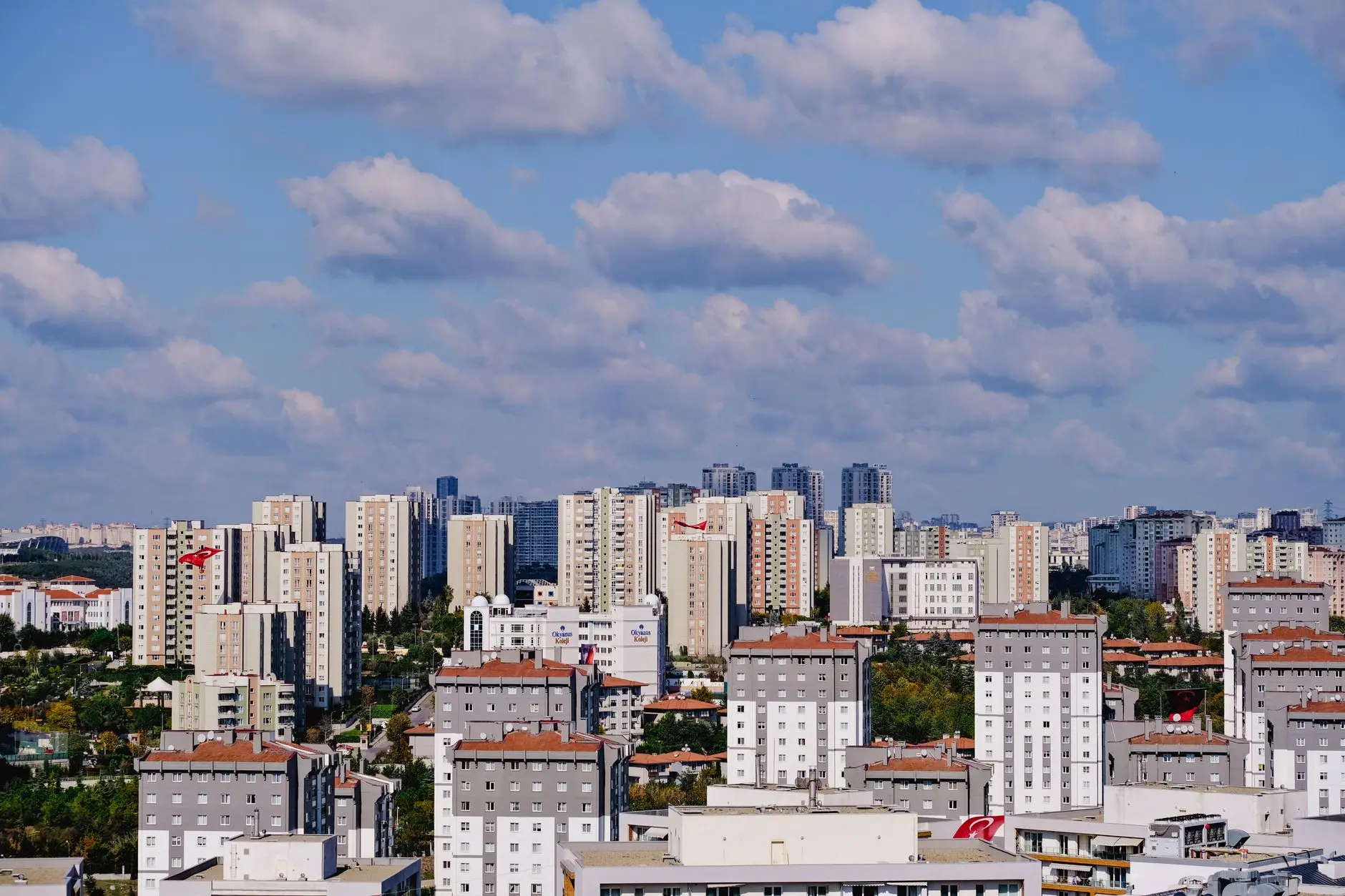
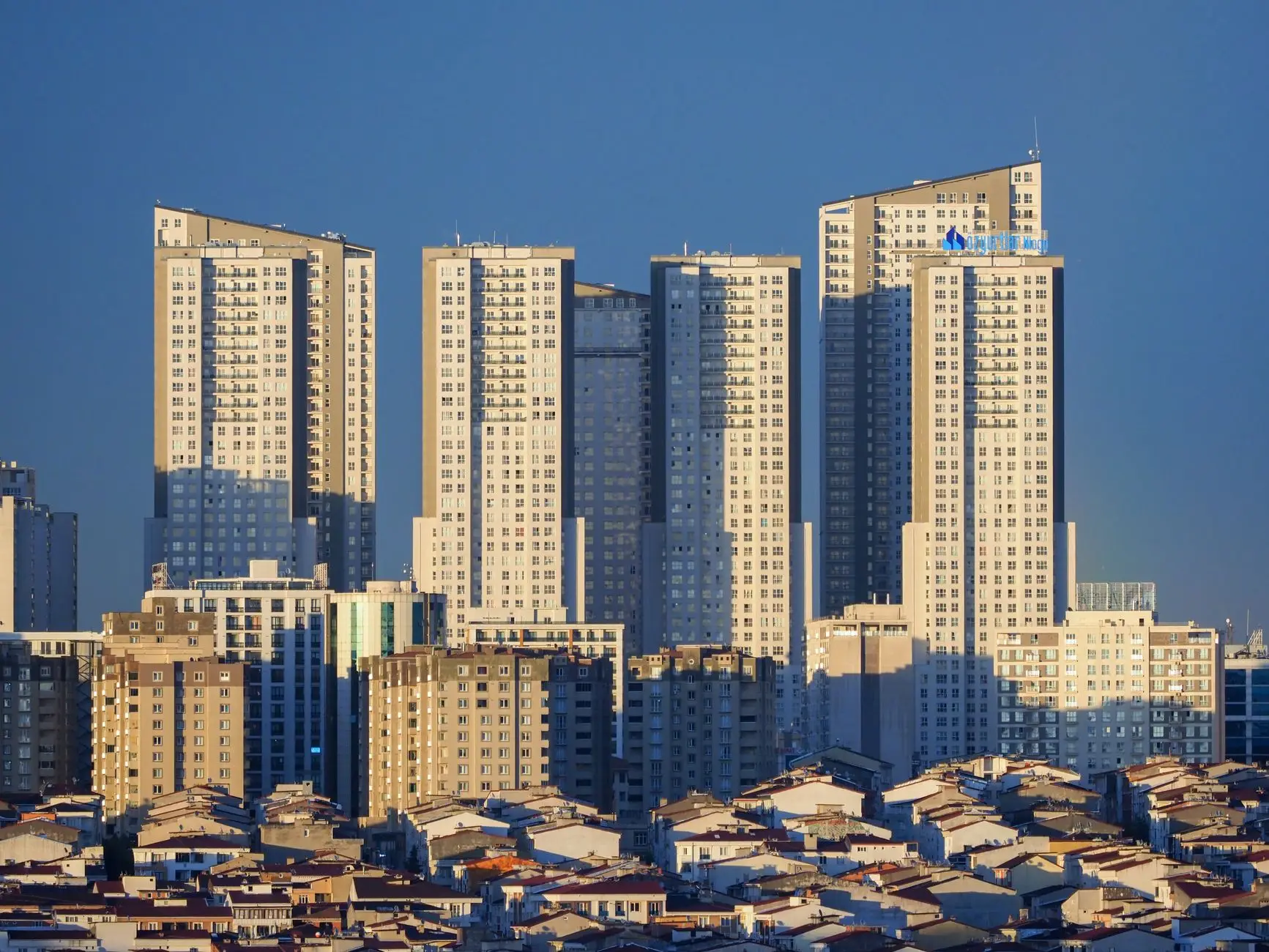
The policy framework presented at the summit focuses heavily on retrofitting existing building stock while enforcing stringent standards on new residential and commercial projects. Türkiye's urban transformation agenda targets millions of housing units across major commercial centers such as Istanbul, Ankara and Izmir. By pairing structural fortification with eco-friendly efficiency targets, the government seeks to curb long-term carbon emissions while insulating economic assets from physical climate liabilities.
These initiatives are supported by standardized green construction metrics and disaster-resilient building codes. Public authorities are increasingly aligning municipal tenders with sustainable procurement rules, ensuring that large-scale development programs integrate renewable energy capture, advanced stormwater management and circular building technologies from the design phase onward.
Guide:Where Foreigners Buy Property in Turkey: City Guide
Cross-border cooperation in sustainable master planning
Beyond domestic policy, Türkiye showcased collaborative approaches to post-conflict and post-disaster reconstruction during side events hosted at the national pavilion. According to Azərtac, discussions organized at the Türkiye pavilion featured participation from the Garabagh Revival Fund, examining practical mechanisms for reviving devastated territories through eco-friendly urban master plans and sustainable community development.
The exchange emphasized how modern urban planning must harmonize rapid infrastructure delivery with environmental sustainability. Panellists shared experiences in establishing smart-city foundations, installing off-grid renewable power systems and implementing resource-efficient waste networks during the initial phases of regional redevelopment. This collaborative model demonstrates Türkiye's expanding regional influence as an engineering and master-planning partner in large-scale reconstruction initiatives.
For international technical contractors and institutional financiers, these bilateral frameworks establish predictable project pipelines. The alignment of design philosophies across regional development authorities facilitates cross-border project management, joint bidding for multilateral infrastructure funding and scalable procurement frameworks for advanced construction systems.
What it means for foreign real estate investors and contractors
The institutional momentum behind Türkiye urban development significantly recalibrates risk and return dynamics for foreign market entrants. Global property developers, private credit funds and green building suppliers face a structured market where compliance with high environmental and structural benchmarks is rapidly becoming mandatory rather than optional.
For commercial and residential property investors, the emphasis on resilience directly protects asset valuations against physical climate risk and regulatory obsolescence. Properties developed according to certified green standards and modern seismic codes command premium yields and enjoy higher occupancy rates, particularly among multinational corporate tenants adhering to global Environmental, Social, and Governance (ESG) requirements.
For international suppliers of high-specification construction materials, specialized sensors and building automation systems, Türkiye's sustainable development drive creates direct procurement pathways. Foreign manufacturers offering low-carbon cement, energy-efficient HVAC equipment, structural monitoring sensors and insulation products can find expanding distribution channels as Turkish developers upgrade procurement standards across domestic and cross-border project portfolios.
Strategic entry points in Türkiye urban development
Navigating the expanding market for resilient urban construction requires understanding the distinct segments driving capital deployment across the country.
Urban regeneration joint ventures
Foreign institutional capital can access the market through joint ventures with established Turkish general contractors engaged in urban renewal zones. These partnerships combine local execution capabilities with international financing structures, allowing foreign firms to participate in prime redevelopment districts while mitigating entitlement and execution risks.
Industrial and logistics greenfield development
With Türkiye serving as a vital manufacturing and sourcing hub for European markets, the demand for sustainable industrial real estate is surging. Developers focusing on modern logistics centers equipped with rooftop solar systems, rainwater harvesting and high-efficiency insulation can capture strong tenant demand from international export-oriented manufacturing firms operating across the Marmara and Aegean corridors.
Project pipeline outlook
Türkiye's commitment to climate-resilient cities at global forums signals continued regulatory enforcement and capital allocation toward sustainable infrastructure over the coming decade. As municipal governments align local zoning regulations with national decarbonization targets, real estate operators that proactively adopt green construction methodologies will hold a decisive competitive advantage in bidding processes and commercial leasing.
Sources
Frequently asked questions
What is driving the focus on Turkey urban development?
The push is driven by the urgent need to address seismic vulnerabilities and climate change impacts while modernizing housing and commercial infrastructure across major economic hubs.
How are international standards influencing Turkish building projects?
Developers and public authorities are increasingly applying certified green building ratings, modern seismic codes and energy performance standards to attract international financing and institutional tenants.
What opportunities exist for foreign building material suppliers?
Demand is growing rapidly for advanced insulation, low-carbon structural products, smart building automation systems and climate-monitoring sensors that meet elevated efficiency requirements.
Are green real estate developments more profitable in Türkiye?
Properties built to resilient, sustainable standards generally secure higher occupancy rates, lower operating expenses and premium rents from multinational corporations prioritizing ESG compliance.
Can foreign companies participate in Turkish urban regeneration tenders?
Foreign engineering, consulting and development firms regularly participate in Turkish regeneration projects, often by forming joint ventures or consortiums with experienced domestic construction firms.
More on this topic: Turkey Real Estate Investment by City: Prices, Yields, Rules