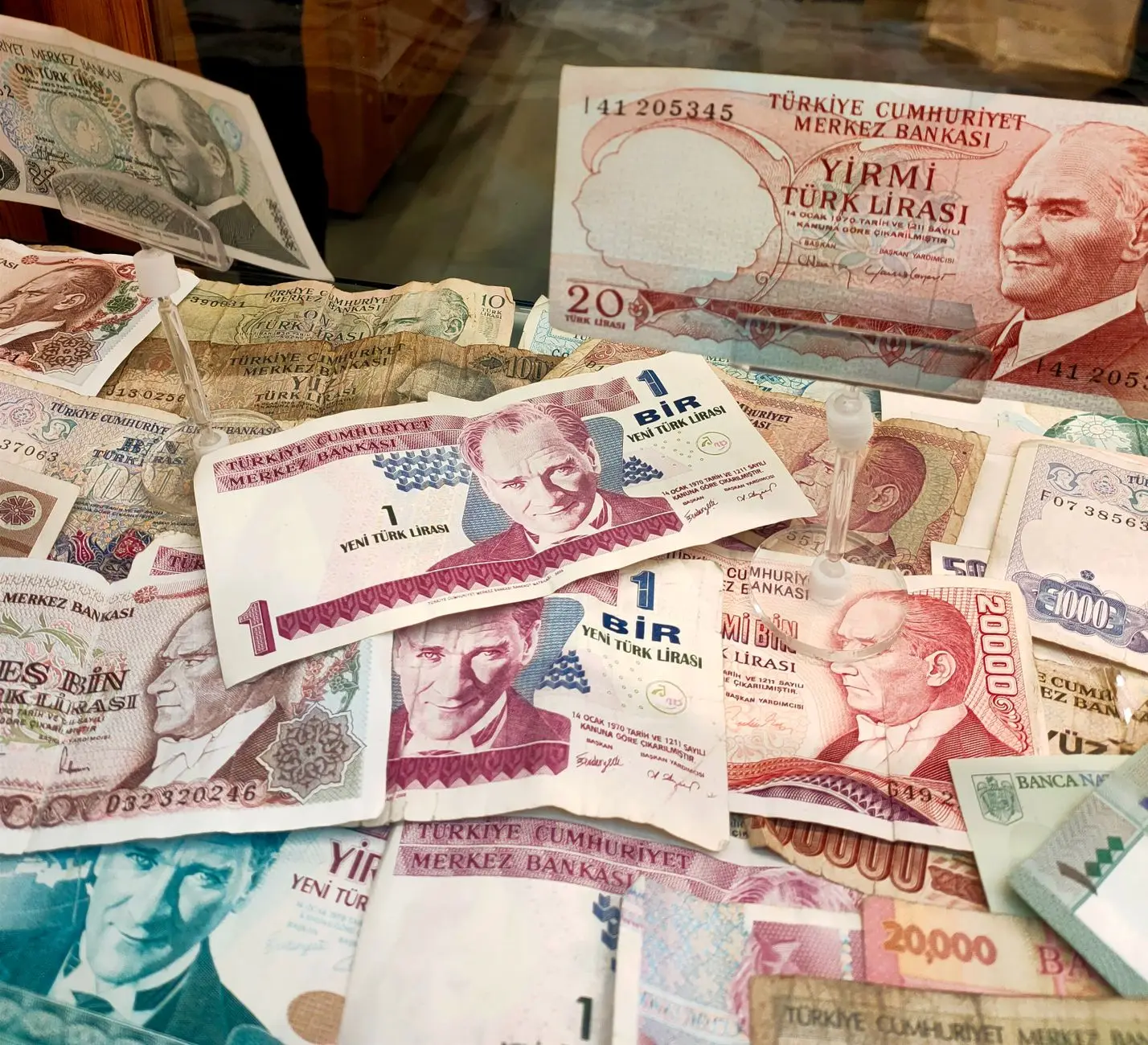
Investing in Turkey Shaken as BlackRock Exits
BlackRock sells off its Turkish equity portfolio as central bank monetary easing collides with complex domestic market challenges.
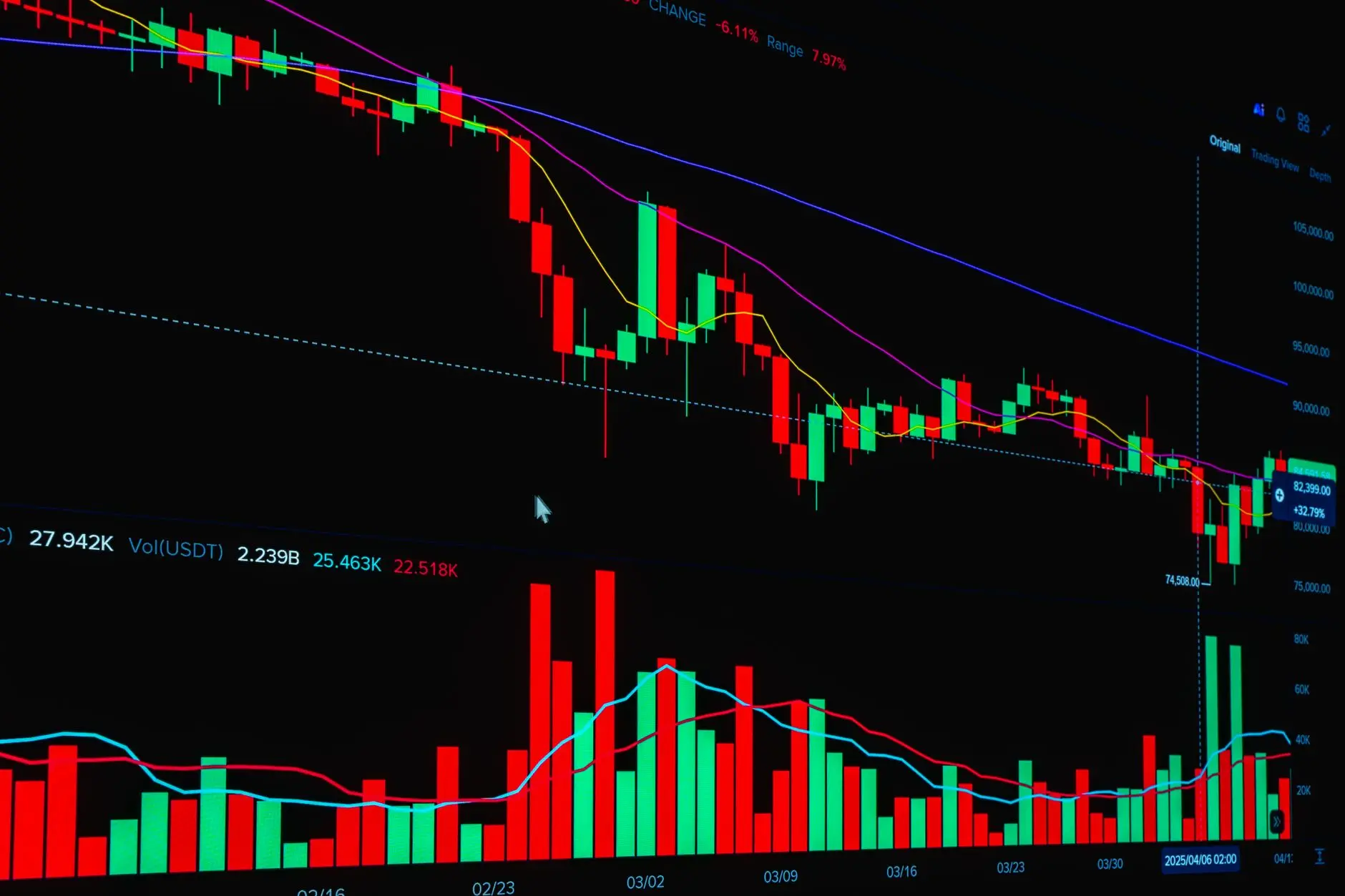
Global asset management giant BlackRock has completely reversed its investment posture toward Turkish equities, liquidating its entire position in Turkish stocks after previously maintaining an optimistic outlook on the country. The abrupt portfolio exit comes as Türkiye's central bank moves to cut benchmark interest rates, attempting to navigate an intricate macroeconomic environment where market participants face lingering structural pressures. For international executives and asset managers evaluating the landscape for investing in Turkey, the sudden departure of the world's largest fund manager provides a critical indicator of shifting risk assessments among institutional portfolio investors.
Key takeaways
- BlackRock has liquidated its entire Turkish equity holdings, abandoning an earlier bullish thesis on the nation's financial assets.
- The central bank has initiated interest rate cuts, but broad market sentiment remains cautious due to ongoing macroeconomic and financial headwinds.
- Foreign direct investors and commercial buyers must decouple volatile public equity flows from physical manufacturing capacity and supply chain stability.
BlackRock exits Turkish equities after bullish run
In a dramatic realignment of emerging market asset allocations, BlackRock has transitioned from a bullish stance on Türkiye to dumping all of its Turkish stocks, according to Türkiye Today. The move marks an unexpected reversal for the asset manager, which had previously expressed confidence in the country's economic adjustment program and the gradual return to orthodox financial governance. The complete divestment underscores how rapidly institutional sentiment can sour when macro risks threaten portfolio valuations.
Large institutional managers routinely recalibrate exposures based on anticipated currency fluctuations, domestic borrowing conditions, and corporate earnings visibility. When an institutional heavyweight of BlackRock's scale unloads an entire country-level equity allocation, the ripple effects tend to influence broader international sentiment. The decision signals that asset managers see limited upside or deteriorating risk-reward balances in the near term, prompting a retreat toward more defensive emerging market positions.
Public equity liquidations of this magnitude also place domestic equity indices under pressure, directly affecting enterprise valuations and liquidity for listed Turkish corporations. As foreign portfolio capital pulls back, domestic market depth is tested, often leaving domestic retail accounts and local pension institutions to absorb the selling volume.
Monetary easing meets lingering market headwinds
The institutional divestment coincides with a delicate turning point in Türkiye's monetary policy. Türkiye's central bank has commenced interest rate cuts, yet the domestic financial market still has a substantial array of challenges on its plate, according to reporting by Türkiye Today. Lower borrowing costs are intended to relieve financial burdens across commerce and industry, but premature or aggressive easing carries distinct risks for emerging market assets.
Central bank rate cuts during periods of fragile market equilibrium often prompt scrutiny regarding real returns and currency trajectory. Institutional investors closely monitor whether monetary easing will rekindle inflationary pressures or destabilize foreign exchange dynamics. For equity allocators, rate cuts without unambiguous stabilization signals can spark capital preservation strategies rather than fresh equity inflows.
Furthermore, broader structural concerns continue to weigh on investor confidence. Türkiye's financial sector and corporate borrowers must continually refinance foreign obligations while managing domestic credit constraints. The presence of these unresolved complications explains why policy easing has been greeted with cautious skepticism rather than uninhibited market rallies.
What it means for businesses and capital investing in Turkey
For corporate executives and international companies investing in Turkey, distinguishing between hot money equity outflows and fundamental industrial health is essential. Portfolio capital is inherently liquid, capable of entering or abandoning a market at the press of a button. By contrast, industrial operations, joint ventures, and direct supply agreements operate on fundamentally different timelines and incentives.
Foreign buyers sourcing industrial goods and consumer products from Turkish suppliers will see immediate implications in currency dynamics and supplier balance sheets. When portfolio flows recede and monetary policy eases, the Turkish lira typically faces depreciation pressure. For importers invoicing in euros or US dollars, a softer domestic currency can create opportunities for price renegotiations and competitive export quotations, provided domestic input costs do not erase those gains.
However, credit conditions for local suppliers may remain uneven. While headline policy rates fall, commercial bank lending spreads and corporate credit availability can remain constrained if capital markets remain jittery. Importers should conduct thorough due diligence on their Turkish vendors' access to operational working capital, ensuring that suppliers maintain sufficient liquidity to fulfill export orders without disruption.
Managing risks when investing in Turkey
Foreign corporate strategists must navigate the diverging signals between the macroeconomic headlines and on-the-ground operational realities. While financial market volatility creates apprehension, physical business operations often tell a separate story.
Hot money volatility versus strategic manufacturing
Public equity selloffs led by international managers like BlackRock reflect institutional mandate adjustments rather than a collapse in physical manufacturing competitiveness. Türkiye's geographic proximity to European consumer centers, robust customs union integration, and diversified manufacturing base continue to support long-term direct investments. Strategic acquirers and direct investors frequently capitalize on equity market pullbacks to acquire high-quality industrial assets at more attractive valuation multiples.
Currency and cost management for foreign importers
Fluctuating investor flows frequently generate currency volatility, which impacts both export pricing and imported raw material expenses for Turkish producers. Businesses sourcing from Türkiye should actively discuss foreign exchange hedging mechanisms and flexible contract indexing with local partners. Structuring contracts in stable currencies while monitoring the local input costs of Turkish manufacturers helps safeguard supply chains against sudden margin compression.
Outlook for foreign institutional flows and macroeconomic balance
The medium-term trajectory of foreign investment into Türkiye will hinge on how effectively authorities reconcile interest rate cuts with economic stabilization goals. Rebuilding the trust of institutional investors such as BlackRock requires consistent policy execution and tangible progress in clearing the domestic market's congested plate of challenges. Until international asset managers perceive durable stability, public equity markets are likely to experience continued selectivity and episodic volatility.
For direct corporate investors and trade partners, the ongoing market adjustment underscores the value of grounded, operational risk management. Macroeconomic headwinds will continue to demand vigilant treasury practices and close vendor communication, but the structural foundations of Turkish industry remain an indispensable component of regional trade architecture.
Sources
Frequently asked questions
Why did BlackRock sell its Turkish stock portfolio?
BlackRock reversed its stance from bullish to completely divesting its Turkish equity holdings amid broader market concerns and economic headwinds reported across the Turkish financial landscape.
How do central bank rate cuts affect companies investing in Turkey?
While interest rate cuts lower borrowing costs for domestic enterprises, they can introduce currency volatility and prompt risk-averse foreign portfolio investors to pull capital out of local assets.
Does BlackRock's exit mean foreign direct investment in Türkiye is slowing?
BlackRock's liquidation specifically represents public equity portfolio capital, which behaves differently from long-term foreign direct investment in factories, real estate, and physical production facilities.
What does this development mean for international buyers sourcing from Türkiye?
International buyers may benefit from more competitive export pricing due to currency adjustments, but they should monitor supplier working capital to prevent operational supply disruptions.
How should foreign companies hedge against financial volatility in Türkiye?
Foreign enterprises should denominate long-term commercial contracts in stable international currencies, establish clear price-adjustment clauses, and track their Turkish partners' liquidity profiles.
Are Turkish stocks expected to see further foreign fund outflows?
Future portfolio flows will depend on whether central bank monetary easing succeeds in stabilizing macroeconomic balances without reigniting inflation or excessive currency depreciation.