Importing from Turkey to the UK After Brexit Guide
Navigate post-Brexit import requirements, customs procedures, UK-Turkey Free Trade Agreement preferences, and logistics routes for seamless trade from Türkiye to the UK.
Importing goods from Türkiye to the United Kingdom post-Brexit requires navigating a altered regulatory framework distinct from the old EU-Turkey Customs Union arrangements. Under the UK-Türkiye Free Trade Agreement (FTA), businesses can continue to access preferential tariff rates on industrial goods, provided they satisfy strict rules of origin and supply chain documentation requirements. Success depends on understanding customs declarations, safety and security protocols, standard compliance checks, and selecting the optimal freight route.
Key takeaways
- The UK-Türkiye Free Trade Agreement preserves zero-tariff trade on most industrial goods, but preferential rates apply only if products meet origin requirements.
- Importers must hold an EORI number starting with 'GB' and ensure Turkish exporters register appropriate proof of origin declarations.
- Standard UK customs entries require import declarations via the Customs Declaration Service (CDS) alongside accurate commodity codes and valuation.
- Logistics strategies should account for customs clearance delays at major ports, selecting multimodal sea-rail options or direct road transport depending on transit time priorities.
Understanding the UK-Türkiye Post-Brexit Trade Framework
Following the UK's departure from the European Union, the bilateral trade relationship transitioned away from the EU-Turkey Customs Union framework. To avoid significant trade disruption, the UK and Türkiye signed a preferential bilateral agreement that entered into force in 2021.
The UK-Türkiye Free Trade Agreement Overview
The UK-Türkiye FTA predominantly covers industrial goods, machinery, textiles, automotive components, and processed agricultural items. It preserves the tariff-free access previously enjoyed under the EU framework for manufactured products. However, unlike a full customs union, an FTA requires strict proof that products actually originate in Türkiye or the UK to qualify for preferential zero-duty entry.
Difference Between Customs Union and FTA Operations
Under the EU-Turkey Customs Union, goods in free circulation within Türkiye could enter the EU without duty, regardless of where they were originally produced. Post-Brexit, the UK operates outside this zone. The UK-Türkiye FTA operates strictly on Rules of Origin. If an item is imported into Türkiye from a third country and re-exported to the UK without substantial processing, standard UK Global Tariffs (UKGT) apply rather than zero tariffs.
Related guide:Company Formation in Turkey 2026: Steps, Costs, Timeline
Navigating Customs Declarations and Paperwork
Importing into the UK requires compliance with standard Her Majesty's Revenue and Customs (HMRC) processes alongside Turkish export clearance handled by the Ministry of Trade customs authorities.
Essential Import Documentation
Every commercial shipment moving from Türkiye to the UK must be accompanied by accurate documentation to prevent port delays and financial penalties. Key required documents include:
- Commercial Invoice: Detailing buyer, seller, itemized values, currency, Incoterms, and a accurate description of goods.
- Packing List: Specifying gross/net weights, package counts, dimensions, and container numbers.
- Bill of Lading / Air Waybill / CMR: Transport documents depending on whether goods move by sea, air, or road.
- Proof of Origin: An origin declaration provided by the exporter on the commercial invoice (or related commercial document) certifying that the goods comply with FTA origin rules.
- Import Customs Declaration: Submitted electronically to the UK's Customs Declaration Service (CDS).
EORI Numbers and CDS Access
UK businesses must register for a UK Economic Operators Registration and Identification (EORI) number starting with 'GB'. This number is mandatory for filing customs declarations. Importers must also set up an account on the Customs Declaration Service (CDS) platform or appoint a licensed UK customs broker to act on their behalf.
Rules of Origin and Claiming Preferential Tariffs
Claiming 0% import duty under the UK-Türkiye FTA requires proof that the goods originate in Türkiye according to specific product rules.
Wholly Obtained vs. Substantial Transformation
Goods qualify as originating in Türkiye if they are either wholly obtained there (such as minerals extracted or agricultural crops harvested in Türkiye) or have undergone sufficient working or processing. For manufactured products, substantial transformation usually means:
- A change in tariff classification (HS Code heading or subheading) during manufacturing in Türkiye.
- A maximum value limit on non-originating raw materials imported into Türkiye used in the final product.
- Specific working operations (such as weaving yarn into fabric and cutting into garments).
Origin Statement Requirements
Unlike trade under the EU-Turkey Customs Union which often used ATR movement certificates, the UK-Türkiye FTA uses supplier origin declarations. The Turkish exporter must include a standardized statement of origin on the invoice or commercial document. Importers must retain these records for at least four years to substantiate duty-free claims during post-clearance HMRC audits.
UK Import Duties, VAT, and Valuation
Even when import duties are reduced to zero under the FTA, value-added tax (VAT) and administrative requirements apply to all UK imports.
UK Import VAT and Postponed VAT Accounting
Import VAT is calculated on the total landed value of the goods, which includes the commercial value of the product, international freight, insurance, and any duties payable. The standard UK VAT rate applies to most commercial goods.
UK VAT-registered businesses can utilize Postponed VAT Accounting (PVA). PVA allows importers to declare and account for import VAT on their standard quarterly VAT return rather than paying VAT upfront at the port of entry. This significantly improves business cash flow.
Determining Commodity Codes and Duties
Importers must identify the correct 10-digit UK commodity code (HS code) for their products using the UK Trade Tariff tool. The code determines:
- The standard UK Global Tariff rate (applied if FTA rules are not met).
- Preferential tariff rates under the UK-Türkiye FTA.
- Sanctions, import licensing controls, or anti-dumping duties.
- Special inspection requirements (e.g., sanitary and phytosanitary controls for food).
Logistics and Freight Shipping Options from Türkiye to the UK
Choosing the correct transit mode from Türkiye to the UK depends on lead-time constraints, cargo volume, budget, and environmental priorities.
Direct Road Freight (TIR / Trailer Services)
Road transport via heavy goods vehicles (HGVs) provides door-to-door transit between main Turkish industrial hubs (such as Istanbul, Bursa, or Izmir) and UK destinations. Transit times typically range between 5 to 8 days. Trucking routes navigate transit corridors through Europe (transit under the CTC/TIR procedure) before crossing the English Channel via ferry or rail shuttle. Drivers must carry valid customs transit paperwork (T1 forms) to cross non-EU/EU boundaries smoothly.
Maritime Freight and Short Sea Shipping
Ocean freight represents a cost-effective option for bulk goods, heavy machinery, or high-volume shipments:
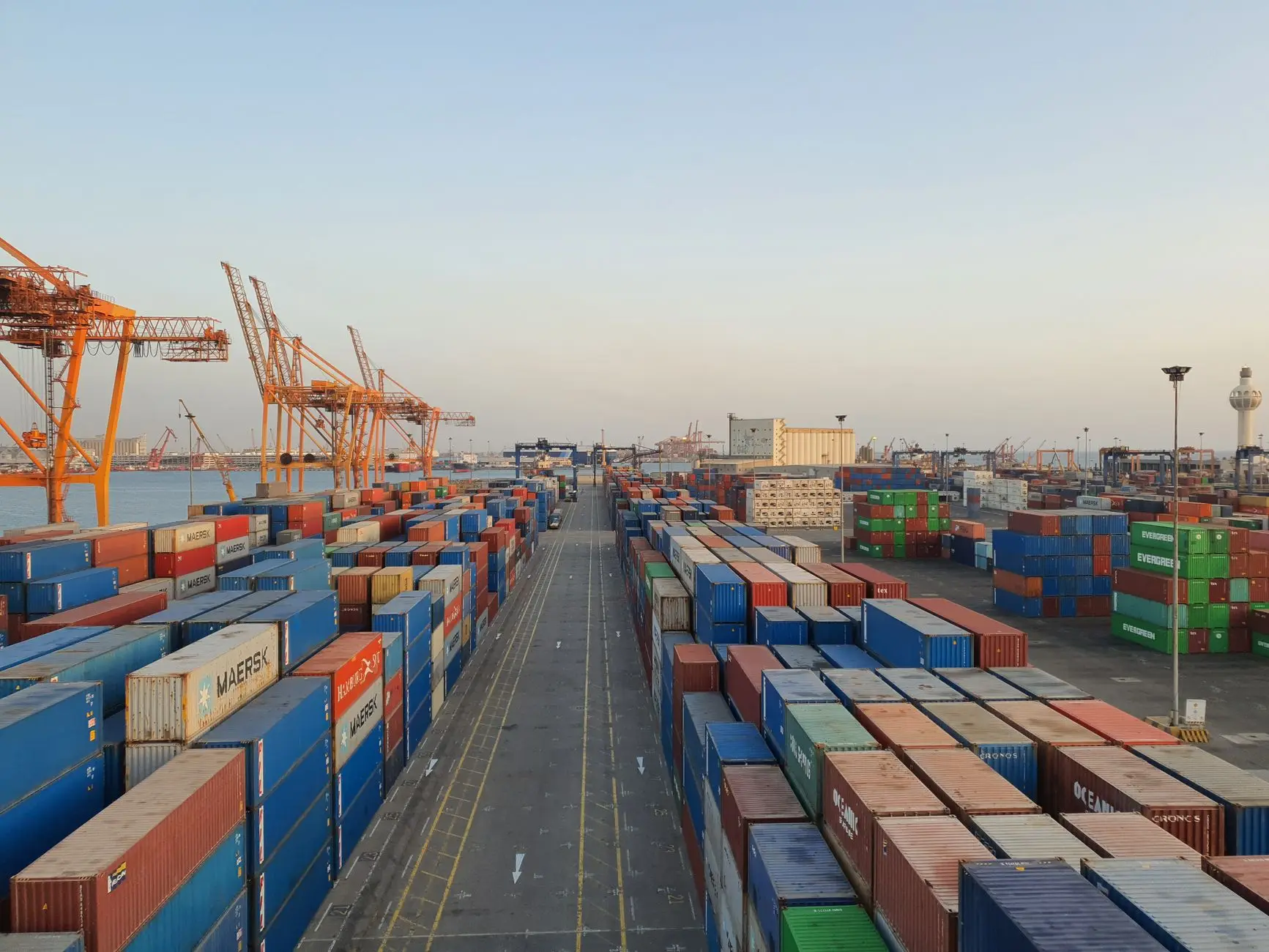
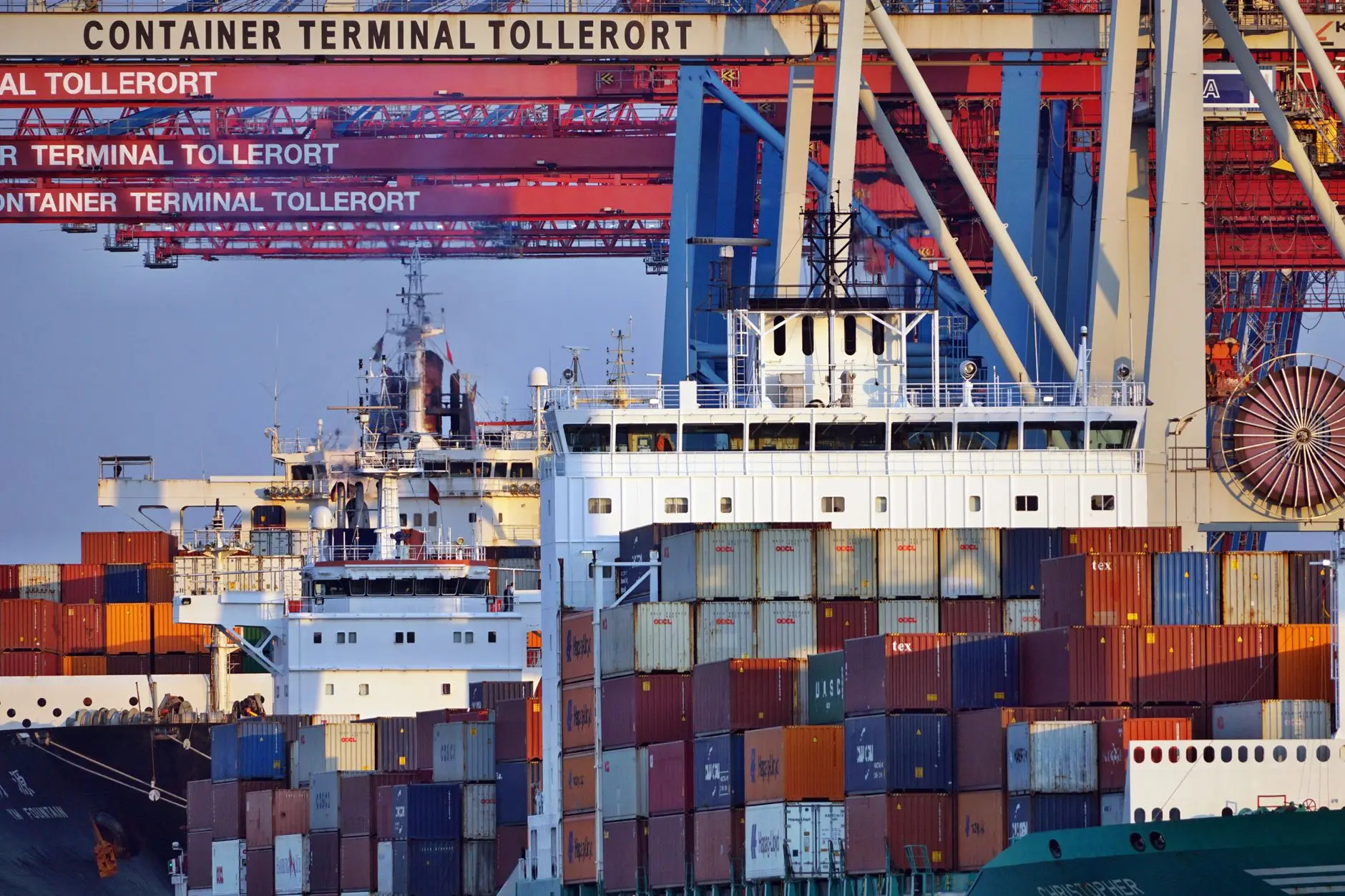
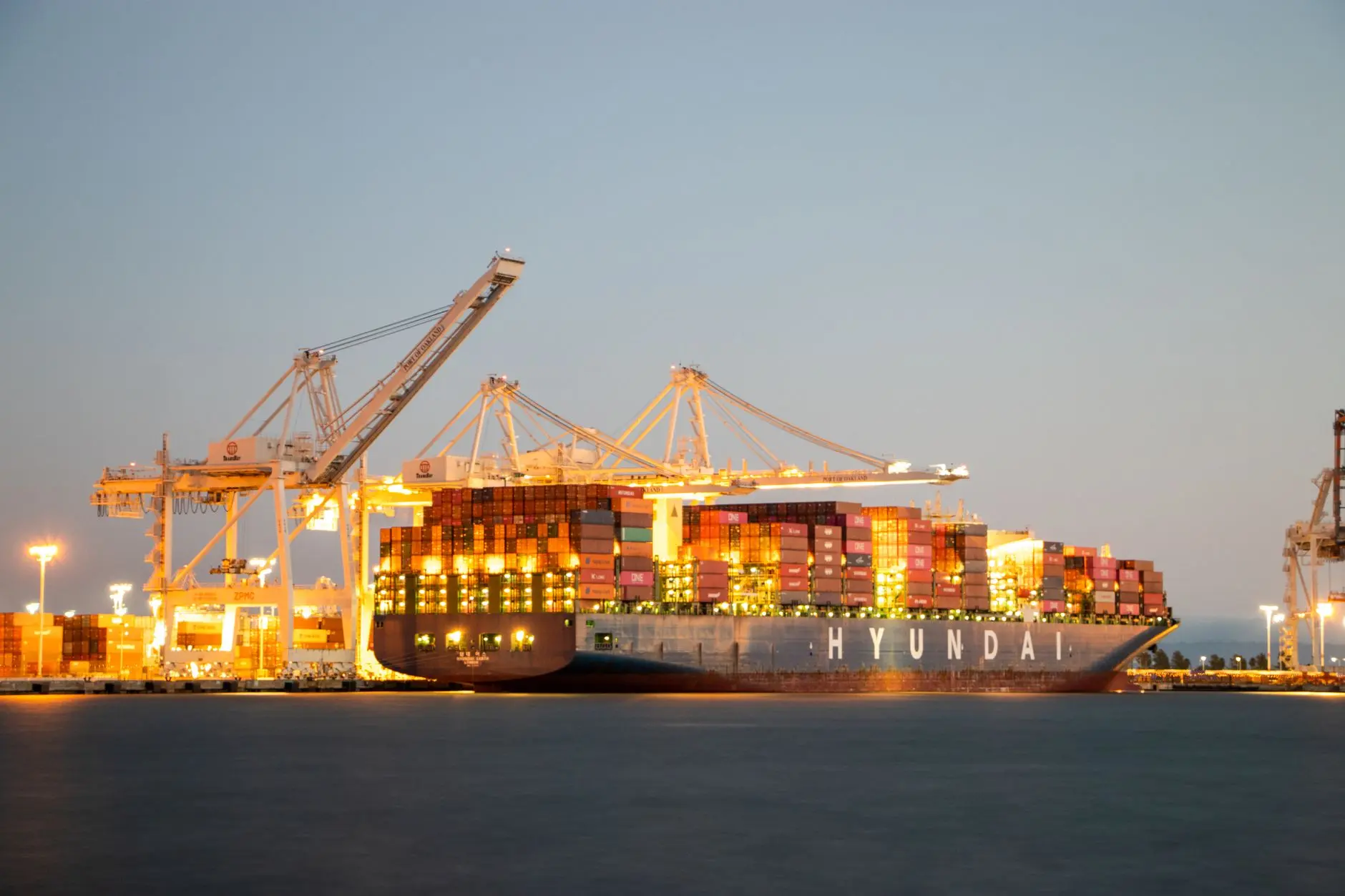
- Containerized Shipping (FCL/LCL): Direct or transshipped container routes depart regularly from major Turkish ports including Ambarli (Istanbul), Mersin, Gemlik, and Alsancak (Izmir) to UK ports such as Felixstowe, Southampton, and London Gateway. Transit times usually average 10 to 14 days.
- Ro-Ro (Roll-on/Roll-off): Trailers are loaded onto vessels at Turkish ports (e.g., Pendik, Yalova, Cesme) sailing to Southern or Central European ports (such as Trieste), then forwarded by rail or road to the UK.
Air Freight
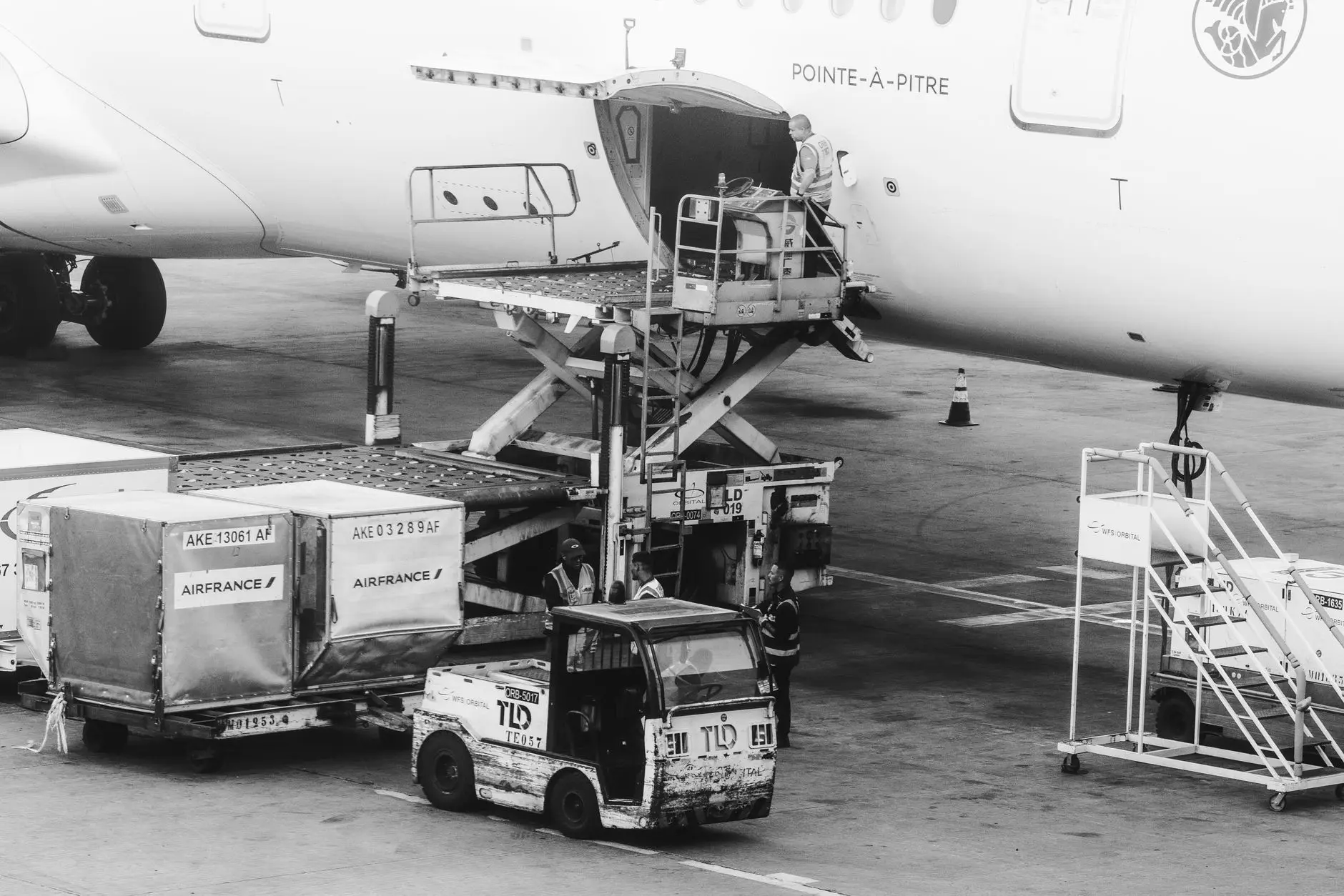
Air cargo via Istanbul Airport (IST) or Sabiha Gökçen (SAW) to UK airports like London Heathrow (LHR) or East Midlands (EMA) is ideal for high-value, perishable, or urgent items (such as fast-fashion textile replenishment). Transit times are generally 1 to 3 days, including customs clearance, though transport costs per kilogram are significantly higher.
Product Compliance, Safety, and Quality Standards
Products imported into the UK market must meet specific British technical standards and safety regulations, which operated independently from EU rules following Brexit.
UKCA and CE Marking Standards
While Türkiye aligns much of its manufacturing standards with European (CE) norms due to its industrial base, goods placed on the market in Great Britain (England, Scotland, and Wales) must comply with UK product safety legislation. Importers must verify whether their products require specific UK conformity assessments, labelling, or UKCA marking compliance, depending on current UK government transitional guidelines for standard recognition.
Sanitary and Phytosanitary (SPS) Checks
Food items, agricultural commodities, and plant material imported from Türkiye are subject to UK biosecurity regulations. Imports must enter through designated Border Control Posts (BCPs) with pre-notifications submitted via the UK's Import of Products, Animals, Food and Feed System (IPAFFS). Shipments may undergo physical inspections, document checks, and laboratory testing.
Practical Import Checklist for UK Businesses
- Obtain a valid UK EORI number starting with 'GB' and set up access to the UK Customs Declaration Service (CDS).
- Classify your products correctly using the 10-digit UK Trade Tariff commodity code system.
- Confirm with your Turkish supplier whether the goods qualify for preferential zero-duty status under the UK-Türkiye Free Trade Agreement rules of origin.
- Establish agreed Incoterms (e.g., DAP, DDP, FOB) in your commercial contract to clarify costs, transit risk, and customs responsibilities.
- Ensure the Turkish exporter provides a valid origin declaration on the commercial invoice or related business documents.
- Select the appropriate shipping mode (Road, Short-Sea Container, Ro-Ro, or Air) based on budget and transit requirements.
- Appoint a licensed UK customs broker or set up internal processes to file electronic CDS declarations upon arrival.
- Enroll in Postponed VAT Accounting (PVA) to manage import VAT efficiently without upfront cash layout at the border.
- Check specific UK safety, technical marking (UKCA/CE), or biosecurity (IPAFFS) requirements prior to dispatch.
- Maintain all shipping documents, origin declarations, and customs entry forms for at least four years for HMRC audit compliance.
Common Mistakes Foreign Companies Make and How to Avoid Them
Navigating post-Brexit trade requirements can present operational challenges. Understanding common pitfalls helps importers mitigate financial and operational risks.
Assuming the Old Customs Union Rules Still Apply
Mistake: Expecting Turkish goods to clear UK customs automatically without origin proof simply because they carry an A.TR movement certificate.
Solution: Recognize that A.TR certificates are invalid for UK imports post-Brexit. Importers must use the origin declaration format specified under the UK-Türkiye FTA and confirm that processing meets local value-add criteria.
Incorrect Commodity Classification
Mistake: Relying blindly on standard Turkish export tariff codes without cross-checking the UK Tariff system, leading to incorrect duty calculations or held shipments.
Solution: Verify the full 10-digit UK tariff code with a customs specialist to ensure correct duty rate application and compliance with any UK import controls.
Misinterpreting Incoterms Responsibilities
Mistake: Buying goods under Delivered Duty Paid (DDP) terms without confirming if the Turkish exporter is legally able to act as the UK importer of record.
Solution: Prefer terms like DAP (Delivered at Place) or FCA (Free Carrier) where the UK buyer acts as the UK importer of record, keeping full control over CDS declarations and PVA management.
Failing to Prepare for Peak Season Freight Congestion
Mistake: Underestimating transit times during high-volume shipping periods, such as the pre-holiday retail peak or agricultural harvesting seasons.
Solution: Build buffer times into supply chains, secure freight capacity early, and utilize tracking software to monitor border crossings and port clearance times.
Frequently asked questions
Do I need to pay import duties when importing goods from Türkiye to the UK post-Brexit?
Most industrial and manufactured goods enter the UK duty-free under the UK-Türkiye Free Trade Agreement, provided they meet origin requirements and carry a valid origin statement from the exporter.
Can I still use an A.TR certificate for UK imports from Türkiye?
No, A.TR certificates are part of the EU-Turkey Customs Union and are not valid for UK imports post-Brexit. Preferential trade requires a supplier statement of origin under the UK-Türkiye FTA.
How is UK import VAT calculated and paid for Turkish goods?
Import VAT is calculated on the combined value of the goods, shipping, insurance, and any duties paid. UK VAT-registered businesses can account for this via Postponed VAT Accounting on their standard VAT returns.
What is the typical shipping transit time from Türkiye to the UK?
Transit times depend on the mode of transport: air freight takes 1 to 3 days, direct road freight takes 5 to 8 days, and sea freight typically takes between 10 to 14 days.
What documentation is required to clear customs in the UK?
Required paperwork includes a commercial invoice with an origin declaration, packing list, transport document (Bill of Lading, CMR, or Air Waybill), and an electronic UK customs entry submitted via CDS.
How do I know if my products meet the Rules of Origin under the FTA?
You must check your product's 10-digit UK commodity code against the specific rules of origin listed in the UK-Türkiye FTA text to ensure sufficient working or local material content occurred in Türkiye.
More on this topic: Doing Business in Turkey: Company Setup, Tax and Compliance